Federal Politics: Merz Announces Cabinet Reshuffle, Warken to Lead Chancellery
German Chancellor Friedrich Merz announced a cabinet reshuffle, appointing Nina Warken as the new Head of the Chancellery and Carsten Linnemann as Health Minister. Reports also indicate that Transport Minister Patrick Schnieder will be replaced, with further changes expec…
Intelligence analysis by Gemini 2.5 Flash

Chancellor Friedrich Merz has initiated a significant cabinet reshuffle, confirming key appointments like Nina Warken to lead the Chancellery and Carsten Linnemann to head the Health Ministry. These changes aim to strengthen his leadership and address critical policy areas, though some appointments face skepticism from opposition parties.
Imagine the boss of Germany, Chancellor Merz, is changing some of his team members, like a coach changing players in a soccer game. He's putting new people in charge of important jobs, like running his main office and looking after everyone's health. One person, the transport minister, might even be leaving because the trains aren't running on time. It's all about making sure the government works better for the country.
Analysis
Merz's Leadership Consolidation
Chancellor Friedrich Merz has initiated a significant cabinet reshuffle, strategically positioning key allies in pivotal roles. The most prominent appointment is Nina Warken (CDU) as the new Head of the Chancellery, making her the first woman to hold this influential position. Merz lauded Warken as a "tough negotiator" and "assertive," explicitly stating she would be "one of the most important, if not the most important pillar" of his leadership. This move follows the departure of the previous Chancellery head, Thorsten Frei, who transitioned to lead the CDU/CSU parliamentary group, thereby creating the opening for Warken and signaling a consolidation of Merz's inner circle.
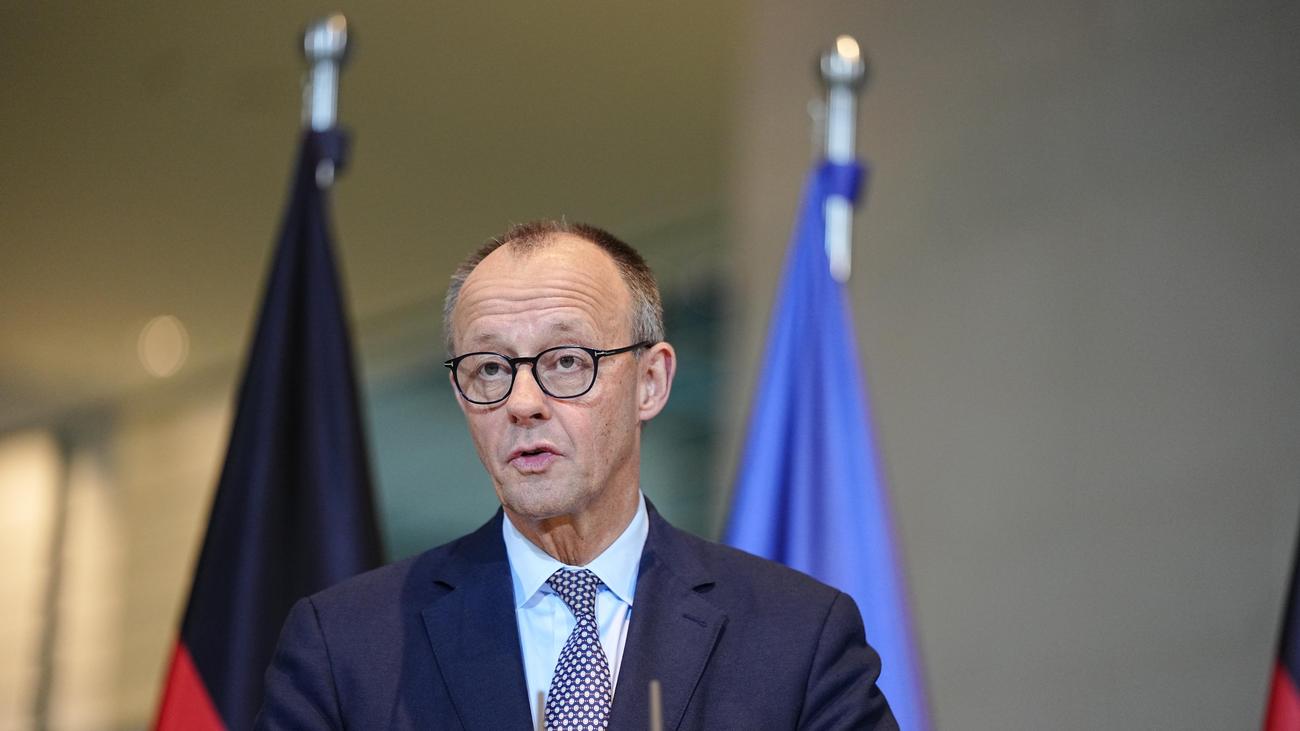
The appointment of Philipp Amthor as Minister of State in the Chancellery for federal-state relations further strengthens Merz's administrative core. These changes underscore a clear intent by the Chancellor to surround himself with individuals he trusts to drive his agenda and navigate the complexities of German federal politics. The public endorsement of Warken, standing alongside Merz during the press conference, visually reinforced the unity and strategic intent behind these high-level personnel decisions.
Shifting Priorities in Key Ministries
Beyond the Chancellery, the reshuffle targets critical policy areas, most notably health and transport. Carsten Linnemann, previously the CDU General Secretary, is slated to become the new Health Minister. Merz characterized Linnemann as "willing to reform" and "steadfast even in headwinds," indicating a desire for robust changes within the healthcare system. This appointment suggests a shift towards a more reform-oriented approach, potentially tackling long-standing issues within Germany's extensive health sector.
Concurrently, reports indicate that Transport Minister Patrick Schnieder (CDU) will be replaced by financial politician Fritz Güntzler. This change is largely driven by the ongoing crisis at the state-owned Deutsche Bahn, which continues to grapple with punctuality issues and significant delays in infrastructure renovation. Güntzler's anticipated focus will be on the comprehensive overhaul and modernization of the rail network and bridges, particularly concerning the debt-financed special fund for infrastructure. However, the article highlights a looming challenge: a multi-billion euro funding gap for new highway and rail construction, as money from the strained core federal budget is insufficient.
Political Reactions and Future Challenges
The cabinet changes have elicited mixed reactions across the political spectrum. While Chancellor Merz expressed confidence in his new team, opposition parties have voiced skepticism, particularly regarding Carsten Linnemann's appointment as Health Minister. Janosch Dahmen, a Green Party health expert, criticized the perceived lack of health policy experience and ministerial leadership experience, warning that it could damage public trust in a crucial sector. He emphasized the need for "expertise, empathy, and a consistent focus on people" over Linnemann's often-cited motto of "just do it."
Similarly, Ates Gürpinar of the Left Party labeled Linnemann a "social-political hardliner," expressing fears of negative implications for health and care policies. FDP leader Wolfgang Kubicki, while wishing Linnemann success, challenged him to deliver on ambitious goals such as reducing social contributions and reforming health insurance funds. These reactions underscore the contentious nature of the reshuffle and signal potential legislative battles ahead. The new cabinet faces the immediate task of addressing these criticisms while simultaneously tackling pressing national issues, from healthcare reform to infrastructure modernization, under increased scrutiny.
Key points
- Chancellor Friedrich Merz announced a cabinet reshuffle, confirming key personnel changes.
- Nina Warken is appointed as the new Head of the Chancellery, praised by Merz as his "most important pillar."
- Carsten Linnemann is set to become the new Health Minister, a move met with skepticism by opposition parties.
- Transport Minister Patrick Schnieder is reportedly being replaced, with Fritz Güntzler expected to take over and focus on the Deutsche Bahn crisis.
- Further cabinet changes are anticipated, though not yet specified by Merz.
The reshuffle could inject new energy and reform-minded leadership into critical ministries, potentially leading to more effective policy implementation in areas like health and infrastructure, and strengthening Chancellor Merz's political standing.
The appointments, particularly in the health sector, face skepticism from opposition parties regarding experience and policy direction, which could lead to political friction and hinder necessary reforms. The ongoing challenges in transport, especially with Deutsche Bahn, suggest that a new minister faces significant hurdles.