California governor’s race: DoJ sends in federal observer over slow count
A slow ballot count in California’s primaries has drawn DOJ scrutiny after Trump falsely alleged rigging. Key races, including governor and Los Angeles mayor, remain too close to call.
Intelligence analysis by GPT-5.4 Mini
California’s primary results are still being counted days after voting, and the delay has become a political flashpoint. Trump has seized on the slow tally to repeat false claims of fraud, while state officials say the process is designed to prioritize accuracy and ballot access.
California is still counting a huge stack of votes, like sorting a giant pile of mail by hand. Because the results are not finished yet, some people are accusing others of cheating, even though state officials say they are just making sure every valid vote gets counted.
Analysis
What happened
The Justice Department sent a federal prosecutor to observe ballot processing in Los Angeles after Donald Trump and his allies raised baseless claims that California Democrats were manipulating the primary count. County officials said the visit was arranged to observe ballot processing, and the assistant U.S. attorney was given an overview of the public observation program.
Why the count is slow
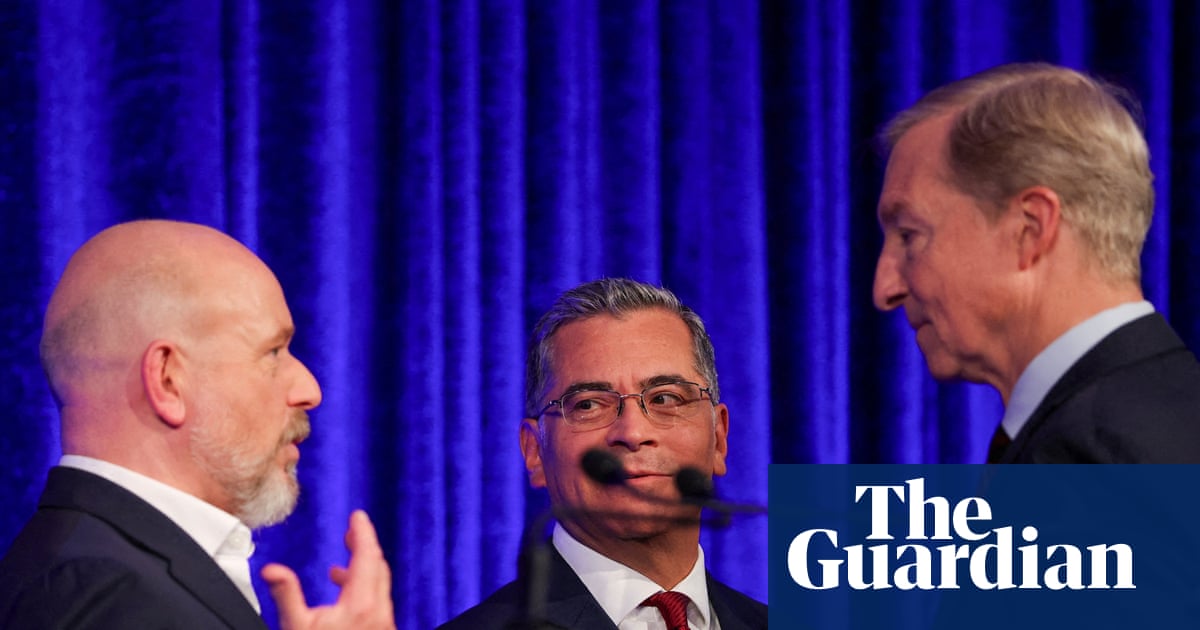
Three days after Californians voted, several major races were still too close to call. In the governor’s race, Steve Hilton and Xavier Becerra were leading the early tally, with Tom Steyer behind them, but only about 60% of ballots had been counted by Friday morning. In Los Angeles, Mayor Karen Bass had already secured a runoff spot, but it was still unclear whether her opponent would be Spencer Pratt or Nithya Raman.
State law requires counties to finish counting ballots by 15 June, but some ballots can be processed after that deadline. Mail-in ballots postmarked by election day and received by 9 June still count. The secretary of state said there were still an estimated 3,606,128 ballots left to process.
The political fight around the count
State officials rejected claims that the process was rigged. Shirley Weber said county election workers were counting millions of ballots while preserving accuracy and integrity. Trump nevertheless accused California of cheating and said the Justice Department would investigate. Gavin Newsom’s office pushed back by sharing an explanation that California prioritizes accuracy and accessibility over speed.
The broader risk is not just a delayed result, but the way delay can feed misinformation. Newsom had warned before the election that slow counts could help election lies take hold, and a state law he signed last year shortened the deadline for completing counts from 30 days to 13 days.
Key points
- The Justice Department sent a federal prosecutor to observe ballot processing in Los Angeles after Trump repeated false claims of election rigging.
- California’s governor’s race and Los Angeles mayoral contest remained too close to call days after voting.
- About 3.6 million ballots still needed to be processed statewide, according to the secretary of state’s office.
- State law requires counties to finish counting by 15 June, though some valid mail ballots can be counted after that date.
- Officials said the slow count is about accuracy and ballot access, not fraud.
If the count finishes accurately, the state can show that a slow process can still produce trustworthy results. The shorter counting deadline and public explanations from officials may also help reduce confusion in future elections.
If results keep dragging out, false fraud claims may spread faster than the official count can answer them. The DOJ observer and Trump’s accusations could deepen distrust in the election process even if no wrongdoing is found.