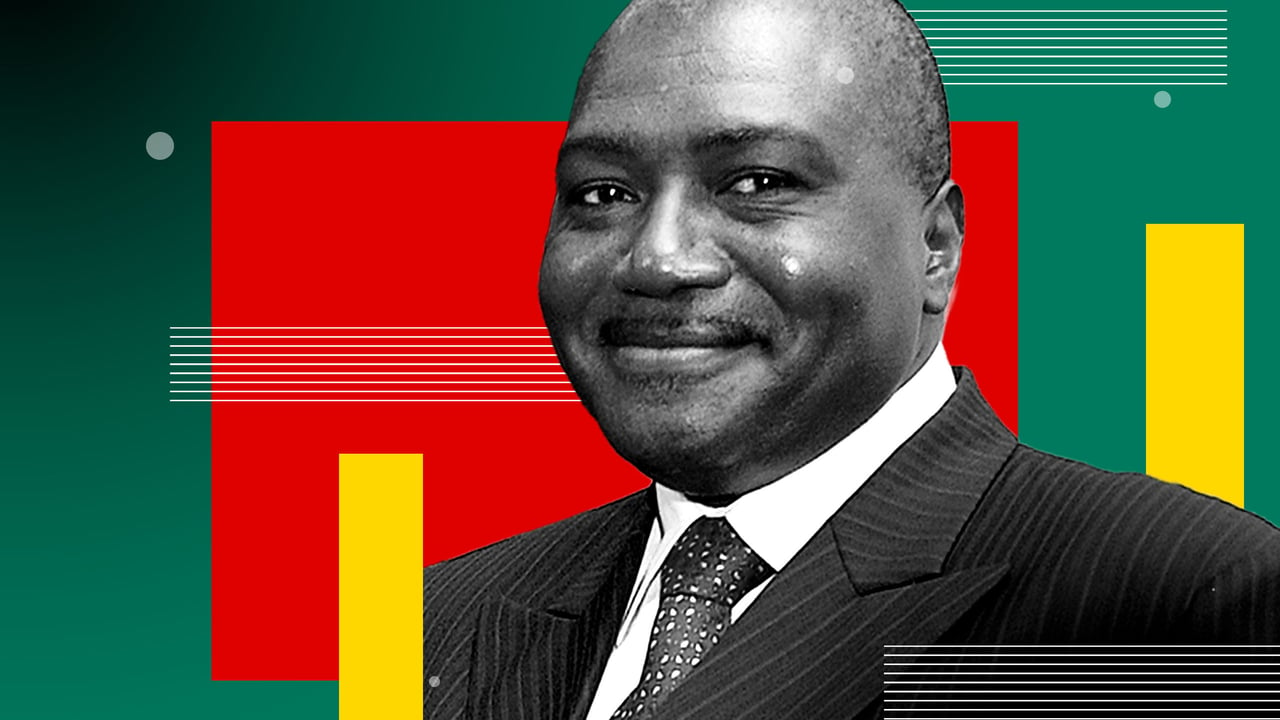
Cameroon: Jean-Marie Atangana Mebara, or Thwarted Ambitions
Jean-Marie Atangana Mebara, a former powerful figure in the Cameroonian presidency and ex-right-hand man to Paul Biya, has been imprisoned for eighteen years, believing himself a victim of the political system he once served.
Intelligence analysis by Gemini 2.5 Flash
The article highlights the enduring political control of President Paul Biya in Cameroon, detailing the downfall of Jean-Marie Atangana Mebara, a once-brilliant technocrat who now languishes in prison. Mebara's case is presented as an example of how Biya has 'made and unmade' the careers of numerous politicians who either sought power or aimed to share it with the long-serving president.
Imagine a very powerful person who used to work closely with the country's president, helping him run things. But then, after many years, this powerful person ended up in jail for a very long time, almost two decades! He believes he's there because the president didn't want anyone else to become too strong or share his power. Now, he lives a very simple life in a small prison cell, far from his old fancy life.
Analysis
The Fall of a Presidential Confidant
Jean-Marie Atangana Mebara, once a prominent figure within the Cameroonian political landscape, served as a powerful minister and a close aide to President Paul Biya. His trajectory from a 'brilliant technocrat' to a long-term prisoner underscores the volatile nature of political allegiances and power dynamics in the nation. The article frames his eighteen-year incarceration as a direct consequence of a political system he was once integral to, suggesting a calculated removal rather than a simple legal process. His story is part of a larger series, "The Fallen of the Republic," indicating that his experience is not isolated but rather emblematic of a pattern under Biya's rule.
Paul Biya's Enduring Grip on Power
Since assuming the presidency in 1982, Paul Biya has maintained an iron grip on Cameroon's political machinery, effectively shaping and dismantling the careers of countless politicians. The narrative suggests that those who dared to aspire to power, or even to share it with the president, often found themselves stripped of their freedom. Mebara's case exemplifies this pattern, portraying him as a victim of a system designed to neutralize potential rivals or perceived threats to the established order. This systemic control highlights the challenges to political pluralism and democratic transitions in Cameroon, where loyalty to the president appears paramount.
An Ascetic Life in Kondengui
The article provides a glimpse into Mebara's current existence within the confines of Kondengui central prison in Yaoundé. Described as leading an 'ascetic life' in a small 12 m² cell, his daily routine is marked by strict controls over food and water rations, and shared facilities for basic needs. This depiction of his prison life, despite his former high-ranking status, serves to emphasize the complete loss of privilege and the harsh realities faced by those who fall out of favor with the ruling power. The controlled environment and limited contact with the outside world underscore the isolation and vulnerability of political prisoners in such a system.
Key points
- Jean-Marie Atangana Mebara, former Cameroonian Minister of External Relations and presidential aide, has been imprisoned for eighteen years.
- He is portrayed as a victim of a political system under President Paul Biya, who has historically 'made and unmade' politicians.
- Mebara's case is part of a series highlighting the downfall of powerful figures in Cameroon.
- He currently lives an ascetic life in a 12 m² cell in Kondengui central prison, with controlled rations and shared facilities.
- The article suggests that politicians who sought to seize or share power with Biya often paid with their freedom.
The continued imprisonment of high-profile former officials like Jean-Marie Atangana Mebara suggests a deeply entrenched political system where dissent or perceived ambition can lead to severe consequences. This situation could further stifle political opposition and limit the space for democratic reforms, perpetuating a cycle of power consolidation and potentially deterring future leaders from challenging the status quo.