Can Alternative Routes Replace the Strait of Hormuz?
The Strait of Hormuz, a critical waterway for global oil trade, has been a focal point of tensions between Iran and the US. With the recent escalation of hostilities, concerns have been raised about the potential disruption to oil exports. Can alternative routes replace t…
Intelligence analysis by Llama
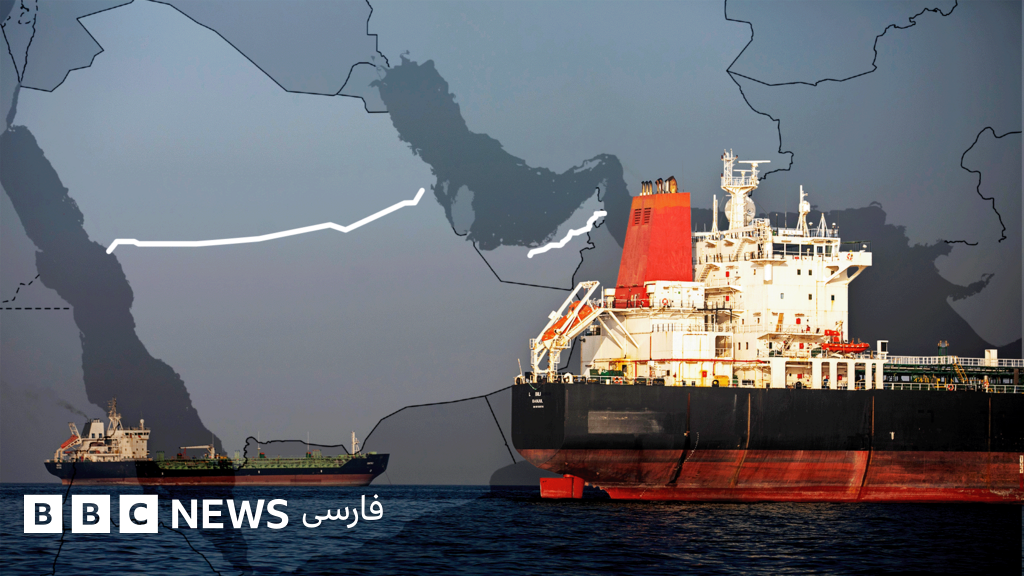
The Strait of Hormuz is a critical waterway for global oil trade, with approximately 20 million barrels of oil passing through it daily. The recent escalation of tensions between Iran and the US has raised concerns about the potential disruption to oil exports. Alternative routes, such as the East-West Pipeline in Saudi Arabia and the Abu Dhabi to Fujairah pipeline, exist but have lim…
Imagine a big waterway that lots of oil ships go through. It's like a super important highway for oil. But there's a problem - some countries don't get along, and they're fighting. If they block the waterway, it could cause big problems for the world. There are some alternative routes, but they're not as good as the main one, and they're also vulnerable to attack. It's like trying to find a new highway when the old one is blocked - it's not easy, and it might not work.
Analysis
A Critical Waterway Under Threat
The Strait of Hormuz, a narrow waterway connecting the Persian Gulf to the Gulf of Oman, is a critical component of the global energy supply chain. Approximately 20 million barrels of oil pass through the strait daily, accounting for roughly one-quarter of global oil trade. The strait's importance is underscored by the fact that it is the only sea route connecting the oil-rich Persian Gulf to the global market.
The recent escalation of tensions between Iran and the US has raised concerns about the potential disruption to oil exports. Iran has threatened to block the strait in response to US sanctions, while the US has warned of potential military action against Iranian targets. The consequences of such a disruption would be severe, with oil prices potentially skyrocketing and global economic growth slowing.
Alternative Routes: A Limited Solution
While alternative routes exist, they have limited capacity and are vulnerable to attack. The East-West Pipeline in Saudi Arabia, for example, has a capacity of 7 million barrels per day, but it is still a fraction of the volume that passes through the Strait of Hormuz. The Abu Dhabi to Fujairah pipeline, another alternative route, has a capacity of 1.5 million barrels per day, but it is also vulnerable to attack.
The Limitations of Alternative Routes
The limitations of alternative routes are underscored by the fact that they are still in the early stages of development. The East-West Pipeline, for example, was only completed in 2019, and it is still being expanded. The Abu Dhabi to Fujairah pipeline, meanwhile, is still in the process of being built. As a result, these routes are not yet capable of handling the volume of oil that passes through the Strait of Hormuz.
The Consequences of a Disruption
The consequences of a disruption to the Strait of Hormuz would be severe. Oil prices would likely skyrocket, and global economic growth would slow. The impact would be felt not just in the oil industry but also in the broader economy, with potential consequences for global trade and economic growth.
Conclusion
In conclusion, the Strait of Hormuz is a critical component of the global energy supply chain, and any disruption to its operations could have significant economic and geopolitical implications. While alternative routes exist, they have limited capacity and are vulnerable to attack. The consequences of a disruption would be severe, and it is essential that all parties work towards a peaceful resolution to the current tensions.
Key points
- The Strait of Hormuz is a critical component of the global energy supply chain.
- Approximately 20 million barrels of oil pass through the strait daily.
- Alternative routes, such as the East-West Pipeline and the Abu Dhabi to Fujairah pipeline, exist but have limited capacity and are vulnerable to attack.
- The consequences of a disruption to the Strait of Hormuz would be severe, with oil prices potentially skyrocketing and global economic growth slowing.
If the current tensions between Iran and the US are resolved peacefully, it's possible that the Strait of Hormuz will continue to operate without major disruptions. The alternative routes, while limited, could also help to mitigate the impact of a disruption. Additionally, the development of new infrastructure, such as the East-West Pipeline, could help to increase the capacity of these routes and reduce the reliance on the Strait of Hormuz.
If the tensions between Iran and the US continue to escalate, it's possible that the Strait of Hormuz will be blocked, leading to a significant disruption to global oil trade. The alternative routes, while limited, may not be able to handle the volume of oil that passes through the Strait of Hormuz, leading to a shortage of oil and potentially causing economic chaos.