New Species of Red-Faced Colobus Monkeys Discovered in Congo
Researchers have identified a new species of red-faced colobus monkeys in the Democratic Republic of Congo. The monkeys have black faces and red lips, and are found in the Lomami National Park. They are herbivores and play a crucial role in the ecosystem, helping to dispe…
Intelligence analysis by Llama
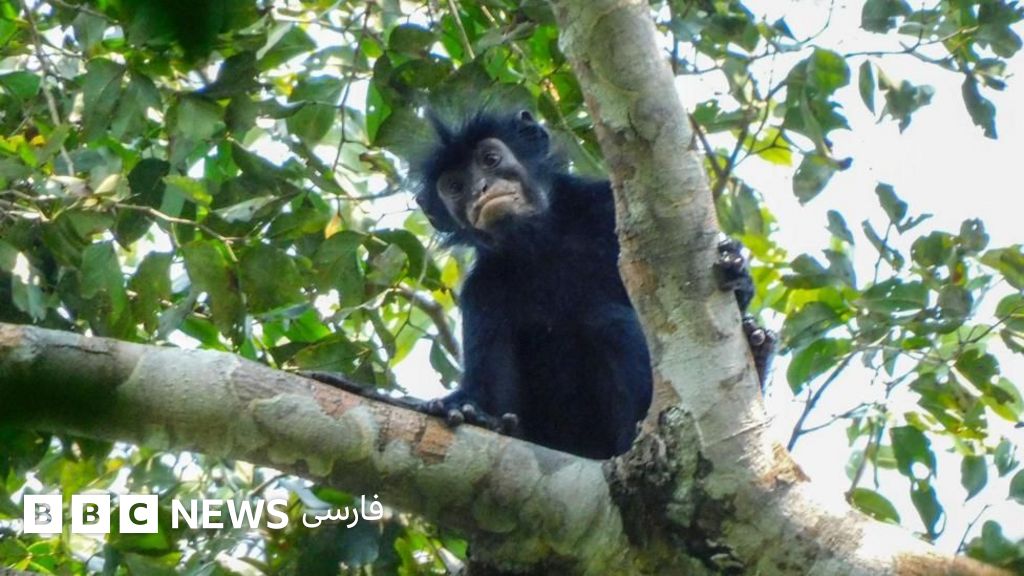
A new species of red-faced colobus monkeys has been discovered in the Democratic Republic of Congo. The monkeys have black faces and red lips, and are found in the Lomami National Park. They are herbivores and play a crucial role in the ecosystem.
Imagine a monkey with a black face and red lips. That's what scientists just discovered in the Congo. They're herbivores, which means they only eat plants, and they help spread seeds and grow plants. It's like they're little gardeners!
Analysis
A New Species of Red-Faced Colobus Monkeys Discovered in Congo
Researchers have identified a new species of red-faced colobus monkeys in the Democratic Republic of Congo. The monkeys have black faces and red lips, and are found in the Lomami National Park. They are herbivores and play a crucial role in the ecosystem, helping to disperse seeds and promote plant growth.
The discovery of this new species is significant because it highlights the importance of conservation efforts in the Democratic Republic of Congo. The monkeys are herbivores and play a crucial role in the ecosystem, helping to disperse seeds and promote plant growth.
The Monkeys' Unique Characteristics
The red-faced colobus monkeys have several unique characteristics that set them apart from other species of monkeys. They have black faces and red lips, and are found in the Lomami National Park. They are herbivores and play a crucial role in the ecosystem, helping to disperse seeds and promote plant growth.
The Importance of Conservation Efforts
The discovery of this new species is significant because it highlights the importance of conservation efforts in the Democratic Republic of Congo. The monkeys are herbivores and play a crucial role in the ecosystem, helping to disperse seeds and promote plant growth. The Lomami National Park is home to a diverse range of flora and fauna, and conservation efforts are necessary to protect the park's ecosystem.
The Future of the Monkeys
The discovery of this new species is significant because it highlights the importance of conservation efforts in the Democratic Republic of Congo. The monkeys are herbivores and play a crucial role in the ecosystem, helping to disperse seeds and promote plant growth. The Lomami National Park is home to a diverse range of flora and fauna, and conservation efforts are necessary to protect the park's ecosystem.
Key points
- A new species of red-faced colobus monkeys has been discovered in the Democratic Republic of Congo.
- The monkeys have black faces and red lips, and are found in the Lomami National Park.
- They are herbivores and play a crucial role in the ecosystem, helping to disperse seeds and promote plant growth.
- The discovery of this new species highlights the importance of conservation efforts in the Democratic Republic of Congo.
- The Lomami National Park is home to a diverse range of flora and fauna, and conservation efforts are necessary to protect the park's ecosystem.
The discovery of this new species could lead to increased conservation efforts in the Democratic Republic of Congo, which would help protect the monkeys and their habitat. Additionally, the discovery could lead to a greater understanding of the importance of herbivores in the ecosystem.
The discovery of this new species could also lead to increased poaching and habitat destruction, which would threaten the monkeys' survival. Additionally, the discovery could lead to a greater understanding of the importance of conservation efforts, but also highlight the challenges of protecting the monkeys and their habitat.