Can debt collectors garnish your unemployment benefits?
Unemployment benefits often come with protections that prevent garnishment, but those protections can vary. Borrowers who are unemployed and facing collection activity should find out what protections apply in their state and respond promptly to any lawsuit or levy notice…
Intelligence analysis by Llama
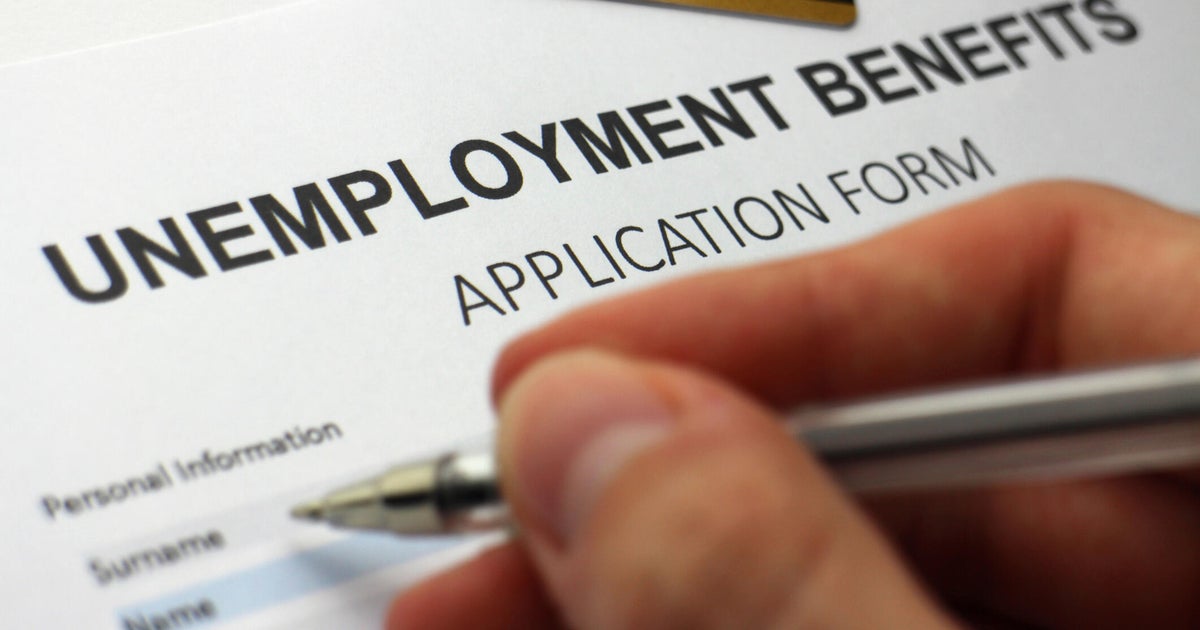
Unemployment benefits have varying protections against garnishment, depending on state law and the type of debt owed. Borrowers should check their state's exemption laws and respond promptly to any collection activity.
Imagine you lost your job and are getting unemployment benefits to help you pay your bills. But what if a debt collector tries to take that money? In most states, debt collectors can't directly take your unemployment benefits, but the rules are different depending on where you live and what kind of debt you owe. It's like a puzzle, and you need to figure out the rules in your state to protect your benefits.
Analysis
State Protections Vary
Unemployment benefits often come with protections that prevent garnishment, but those protections can vary depending on state law. In many cases, ordinary private debt collectors can't directly garnish unemployment benefits, but the exact protections depend heavily on state law and the circumstances involved.
Generally, a private debt collector seeking to garnish income or seize money must first sue you and obtain a court judgment. Federal and state laws then determine what income and assets are exempt from collection. These exemptions can protect certain wages, benefits, and money held in bank accounts from creditors.
Unemployment compensation is primarily administered under state law, so protections can differ considerably depending on where you live. Some states broadly protect unemployment benefits from creditors, while others may have different exemptions or procedures borrowers need to follow to assert those protections.
Government Debts and Child Support Obligations
Government debts and child support obligations may also be subject to different rules. The protections that apply when a private credit card company or collection agency is trying to collect don't necessarily apply when you owe certain government-related debts.
For example, federal law provides for states to recover certain unemployment benefit overpayments by deducting money from future unemployment benefits, subject to applicable procedures. Child support is another major exception. Federal regulations require state unemployment systems to have procedures for withholding unemployment compensation for child support obligations under qualifying legal processes.
What to Do About Debt While Unemployed
Protection from garnishment can provide some breathing room when you're unemployed, but it doesn't make the underlying debt disappear. Interest and late fees may continue to accumulate, your credit could suffer, and a creditor or debt collector may continue its collection efforts within the limits of the law.
So, if unemployment has made your debts unaffordable, consider addressing the problem before it escalates. You might start by contacting your creditors to ask about hardship programs, temporary payment reductions, or other accommodations. Some creditors may be willing to adjust payments when a borrower can document a loss of income.
For borrowers with substantial unsecured debt, debt relief could also be worth exploring. Debt settlement, for example, could result in paying less than the full amount owed to settle the debt. This option generally makes the most sense for borrowers experiencing significant financial hardship who can't realistically repay their unsecured debts in full.
Working with a credit counseling agency may offer another path. Depending on your finances, a credit counselor will help you evaluate your budget and determine whether a debt management plan or another strategy makes sense.
Key points
- Unemployment benefits often have protections that prevent ordinary debt collectors from garnishing them directly.
- State exemption laws and the type of debt owed can have a big impact on the outcome.
- Government debts and child support obligations may be subject to different rules.
- Borrowers should check their state's exemption laws and respond promptly to any collection activity.
- Debt relief options, such as debt settlement and credit counseling, may be worth exploring for borrowers with substantial unsecured debt.
If borrowers take proactive steps to address their debt while unemployed, they may be able to avoid further financial hardship and even improve their credit score in the long run. By communicating with creditors and exploring debt relief options, borrowers can find a way to manage their debt and get back on their feet.
If borrowers fail to address their debt while unemployed, they may face further financial hardship, including increased interest rates, late fees, and damage to their credit score. This can make it even harder to get back on their feet when they find a new job.