Canada and Mexico tell US they want free trade deal renewed
Canada and Mexico urged Washington to renew USMCA for another 16 years as Trump questions the pact. Talks in Washington were described as positive.
Intelligence analysis by GPT-5.4 Mini
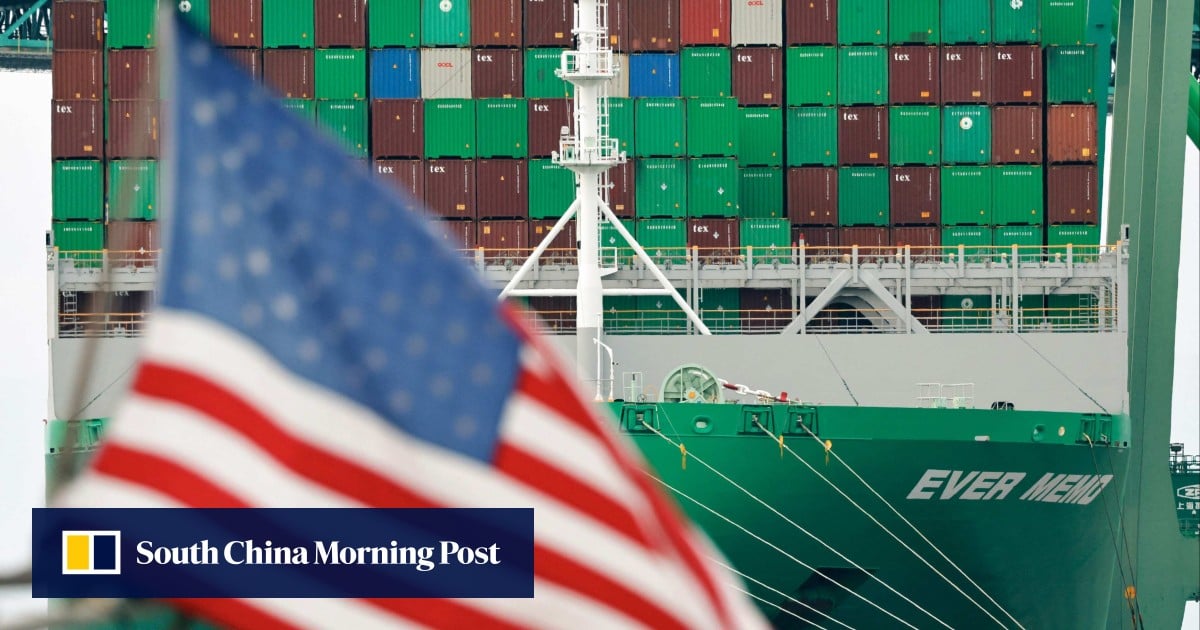
Canada and Mexico are pressing the United States to lock in the North American trade deal for another 16 years, even as Donald Trump calls it irrelevant. The talks matter because both countries send most of their exports to the US.
Canada and Mexico are asking the US to keep their big trade rulebook in place for 16 more years. It is like three neighbors sharing one fence rule, and two of them want to make sure the rules do not suddenly change.
Analysis
What happened
Canada and Mexico asked the United States to renew the North American free trade pact, known as USMCA, for another 16 years. Canada’s trade minister, Dominic LeBlanc, sent a letter saying Ottawa recommends extending the agreement, and both sides later described talks in Washington as positive.
Why the deal matters
The article says the arrangement is central for both neighbors because the US is their main trading partner. It notes that around 75% of Canadian exports and 80% of Mexican exports go to the United States, which explains why both governments want long-term certainty.
The political backdrop
The push comes while Donald Trump has openly questioned the value of the agreement and has called it irrelevant, even though he signed and praised it during his first term. That creates a clear tension: Canada and Mexico want stability, while the White House may want room to renegotiate or pressure them.
What to watch next
LeBlanc said discussions will continue in the coming days and weeks. The key issue is whether the three countries can agree on a renewal timeline that gives businesses confidence, or whether US skepticism keeps the pact under threat.
Key points
- Canada and Mexico want USMCA renewed for another 16 years.
- Canada says the agreement is vital because the US buys most of its exports.
- Mexico made the same call in public remarks in Mexico City.
- Trump has questioned the pact despite signing it in his first term.
- Talks in Washington were described as positive, but no final decision was announced.
If the three countries agree on a renewal, businesses would get a clearer long-term rulebook for trade across North America. That could reduce uncertainty for exporters and keep supply chains moving with fewer disruptions.
If Washington keeps questioning the pact, companies may face more uncertainty about tariffs, rules, and market access. That could make planning harder for exporters in Canada and Mexico, which rely heavily on the US market.