Canada formally requests 16-year renewal of North American free trade pact
Canada has asked the US and Mexico to renew USMCA for 16 years as deadline talks approach. The move comes amid disputes over tariffs, cars, dairy and trade retaliation.
Intelligence analysis by GPT-5.4 Mini
Ottawa is pushing to lock in a long extension of the North American trade pact while negotiations with Washington remain uneven. The request lands as the US presses Canada on tariffs, market access and car content rules.
Canada wants to keep a big trade deal with the US and Mexico alive for 16 more years. It is like three neighbors agreeing on rules for sharing a long fence, but they still argue about who gets which parts and what gets taxed.
Analysis
What Canada asked for
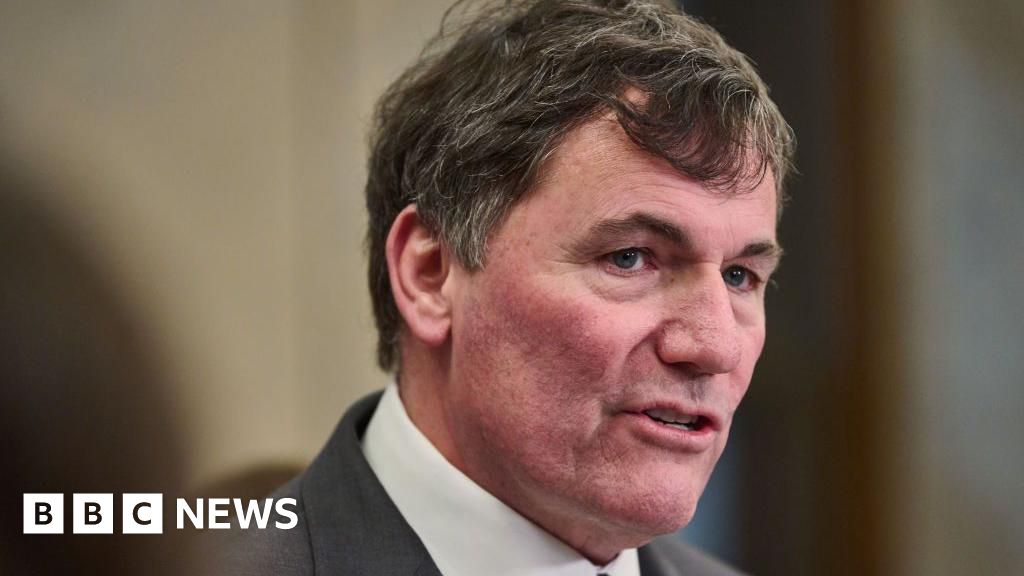
Canada has formally requested that the US-Mexico-Canada Agreement be renewed for another 16 years. Trade minister Dominic LeBlanc made the request in a notice while in Washington for talks with US trade representative Jamieson Greer.
The agreement, known as CUSMA in Canada, is due for review as the July deadline approaches. Canada says the pact has been “highly beneficial” and gives North America an advantage in global competition, while also saying it is open to changes that would help all three countries.
What is still unresolved
The article says discussions between the US and Canada have moved more slowly than the latest formal US-Mexico talks. LeBlanc also said talks on sector-specific tariffs matter in parallel. Prime Minister Mark Carney wants US tariffs on Canadian steel, aluminium, automobiles and lumber removed or reduced, but Greer has suggested Canada may have to accept some form of US levies.
The US has raised several irritants, including Canadian provinces removing American alcohol from shelves in response to tariffs. It also wants greater access to Canada’s dairy market, where supply is tightly managed. Greer has also said he wants to discuss higher US content in North American-made cars and coordination on tariffs aimed at other countries.
Why the timing matters
If the three countries do not agree to extend USMCA by 1 July, the pact would then need yearly renewals until 2036. Mexico has also said it wants the treaty extended, which keeps the focus on whether all three governments can bridge their disagreements before the deadline.
Key points
- Canada has formally asked for a 16-year renewal of the USMCA trade pact.
- Trade minister Dominic LeBlanc made the request while meeting US officials in Washington.
- Canada says the deal is beneficial, but it is open to changes that help all three countries.
- The US is pressing issues including tariffs, dairy access and US content in North American-made cars.
- If no extension is agreed by 1 July, the pact would require annual renewals until 2036.
If the three governments agree on a renewal, businesses in North America would get a longer stretch of trade certainty. Canada also says it is willing to consider improvements that help all three countries’ long-term prosperity, which could make a deal easier to sell at home.
If the countries fail to agree by 1 July, the pact would shift to yearly renewals, keeping uncertainty alive through 2036. The article also shows several live disputes still unresolved, including tariffs, dairy access and car-content rules, any of which could slow progress further.