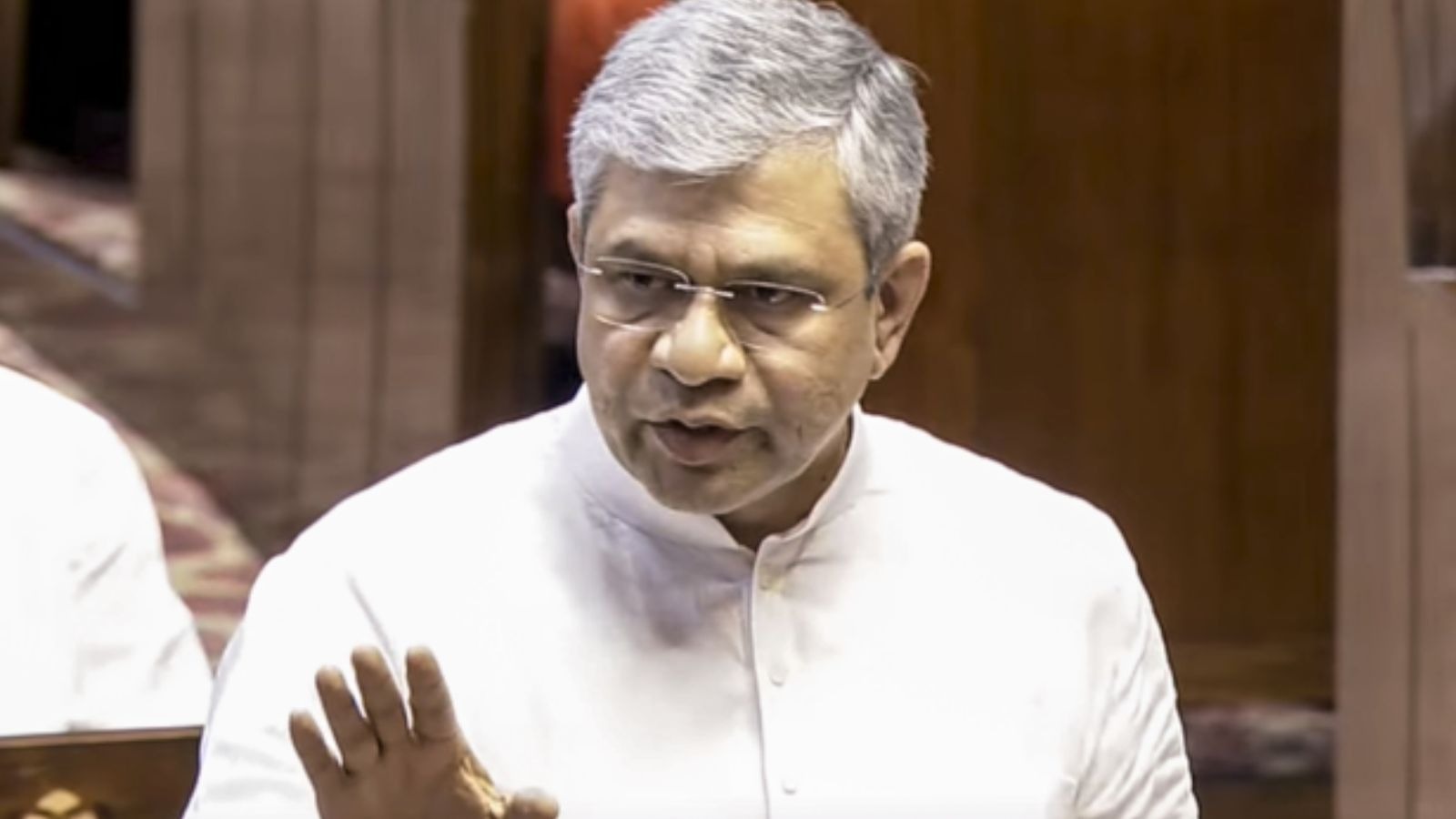
Carbon Cell to be formed to make carbon credits available to farmers: Agriculture Minister T. Siddique
Kerala's Agriculture Minister T. Siddique's proposal to establish a Carbon Cell under the Department of Agriculture to facilitate carbon credits for farmers through climate-resilient farming practices has been approved by the World Bank. This initiative is part of the Rs …
Intelligence analysis by Gemini 2.5 Flash
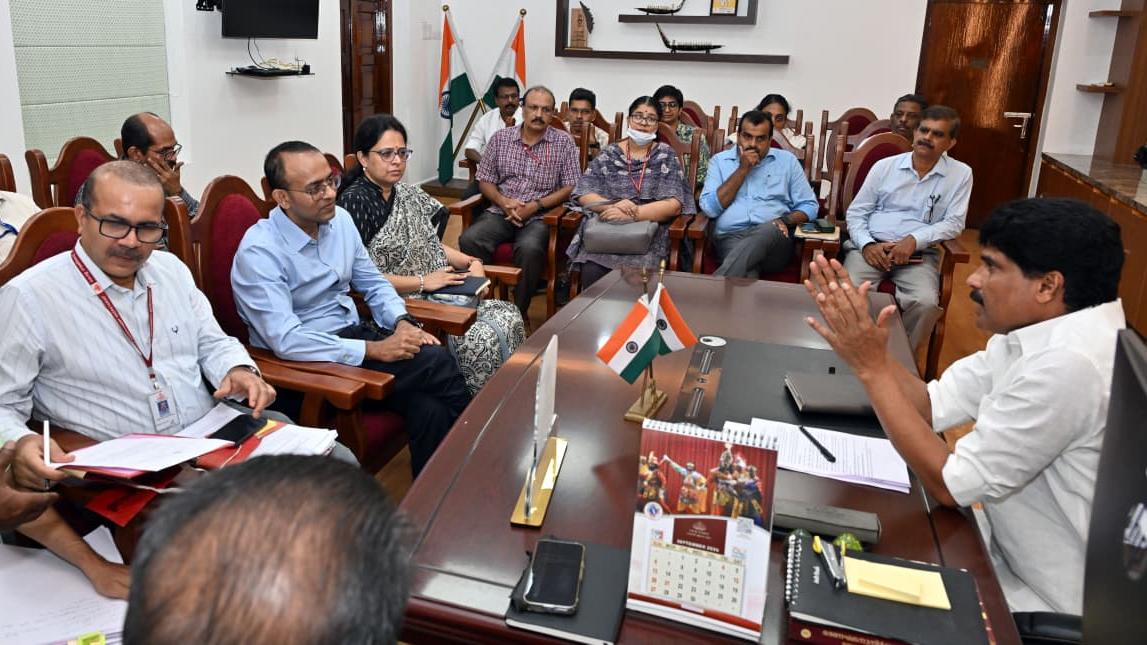
The Kera Project, a joint initiative by Kerala's Department of Agriculture and the World Bank, is set to introduce a Carbon Cell. This cell will enable farmers to earn carbon credits by adopting eco-friendly farming methods, thereby increasing their income and enhancing the agricultural sector's capacity to sequester carbon and withstand climate change impacts.
Imagine farmers are like superheroes for the Earth, growing food and also helping clean the air by trapping bad gases. The government and a big bank are giving them special points, called "carbon credits," for doing this. These points are like money, so farmers get paid extra for being super eco-friendly, which helps them and helps our planet stay healthy.
Analysis
The approval by the World Bank of Kerala's proposal to establish a Carbon Cell under the Department of Agriculture marks a significant step towards integrating climate action with agricultural development in India. This initiative, spearheaded by Agriculture Minister T. Siddique, is a core component of the ambitious Kera Project, which is backed by Rs 2365 crore in financial assistance from the World Bank. The primary objective is to empower farmers by providing them with tangible financial incentives, specifically carbon credits, for adopting climate-resilient and environmentally friendly farming practices. This move is expected to not only enhance the economic viability of farming but also bolster the agricultural sector's capacity to sequester carbon, thereby contributing to broader climate change mitigation efforts.
Kera Project
The Kera Project is envisioned as a transformative force for Kerala's agricultural landscape, with a substantial allocation of Rs 2365 crore. Its scope extends beyond the immediate carbon credit mechanism, encompassing a holistic approach to agricultural development. Key areas of focus include the comprehensive development of coconut cultivation, a staple in Kerala's economy, alongside efforts to boost overall agricultural productivity. The project also aims to strengthen agricultural marketing channels, empower farmer producer organizations (FPOs) through capacity building and business expansion, and foster the value chain development of high-value agricultural crops. Furthermore, the Kera Project emphasizes technological advancements, including the establishment of more smart Krishi Bhavans, complete digitalization of the Department of Agriculture, and the comprehensive development of the Kathir portal, all designed to enhance efficiency and responsiveness in the sector.
T. Siddique
Agriculture Minister T. Siddique has been a vocal proponent of this climate-smart agricultural strategy. His proposal for the Carbon Cell underscores a forward-thinking approach to address the dual challenges of farmer welfare and environmental sustainability. Minister Siddique highlighted the necessity of providing financial incentives to encourage farmers to transition towards climate-friendly methods, thereby creating additional income opportunities and increasing the agricultural sector's carbon storage capacity. During his discussions with the World Bank mission, he also stressed the importance of strengthening climate resilience activities within the Kera Project, particularly in light of phenomena like El Niño and other natural disasters that frequently impact Kerala's agriculture. His vision extends to ensuring that the project makes comprehensive interventions to improve coconut productivity, which he noted is already better than other states, and to integrate necessary changes based on a thorough evaluation of the state's agricultural sector.
World Bank Mission
The World Bank's involvement is crucial, providing both financial backing and technical expertise to the Kera Project. The approval of the Carbon Cell proposal by the World Bank mission team signifies international recognition of Kerala's proactive stance on climate-resilient agriculture. The mission's visit to Kerala was specifically to review the implementation progress of the Kera Project, indicating a commitment to oversight and ensuring the effective utilization of the allocated funds. The team, which includes representatives like Adarsh and Charulata Sharma, is scheduled to remain in Kerala until October 13, during which they will conduct field visits to various project implementation sites. This direct engagement allows for a firsthand assessment of the project's operational aspects and provides an opportunity for collaborative problem-solving, ensuring that the Kera Project aligns with global best practices for sustainable development and climate action.
Key points
- Kerala's Agriculture Minister T. Siddique proposed forming a Carbon Cell to provide carbon credits to farmers.
- The World Bank approved the proposal, which is part of the Rs 2365 crore Kera Project.
- The initiative aims to incentivize climate-friendly farming, increase carbon sequestration, and create additional income for farmers.
- The Kera Project focuses on coconut cultivation, productivity, marketing, FPO empowerment, and digitalization of agriculture.
- A World Bank mission team is currently in Kerala to review the project's implementation progress.
The establishment of the Carbon Cell and the Kera Project's comprehensive approach could significantly boost farmer incomes in Kerala by providing new revenue streams through carbon credits. This could accelerate the adoption of sustainable agricultural practices, enhance climate resilience, and lead to a more robust and environmentally friendly agricultural sector in the state.
The successful implementation of such a large-scale project, involving Rs 2365 crore and numerous stakeholders, faces challenges in coordination, efficient fund utilization, and ensuring equitable access and benefits for all farmers. Bureaucratic hurdles or insufficient farmer adoption of new practices could hinder the project's full potential and impact.