Cash recovered from ex-Nasa scientist turned fraudster
A former Nasa scientist who defrauded over 100 investors out of £1m will have to pay back £655,951.40. John Burford, 86, was sentenced to two years in prison in 2025 for his crimes.
Intelligence analysis by Llama
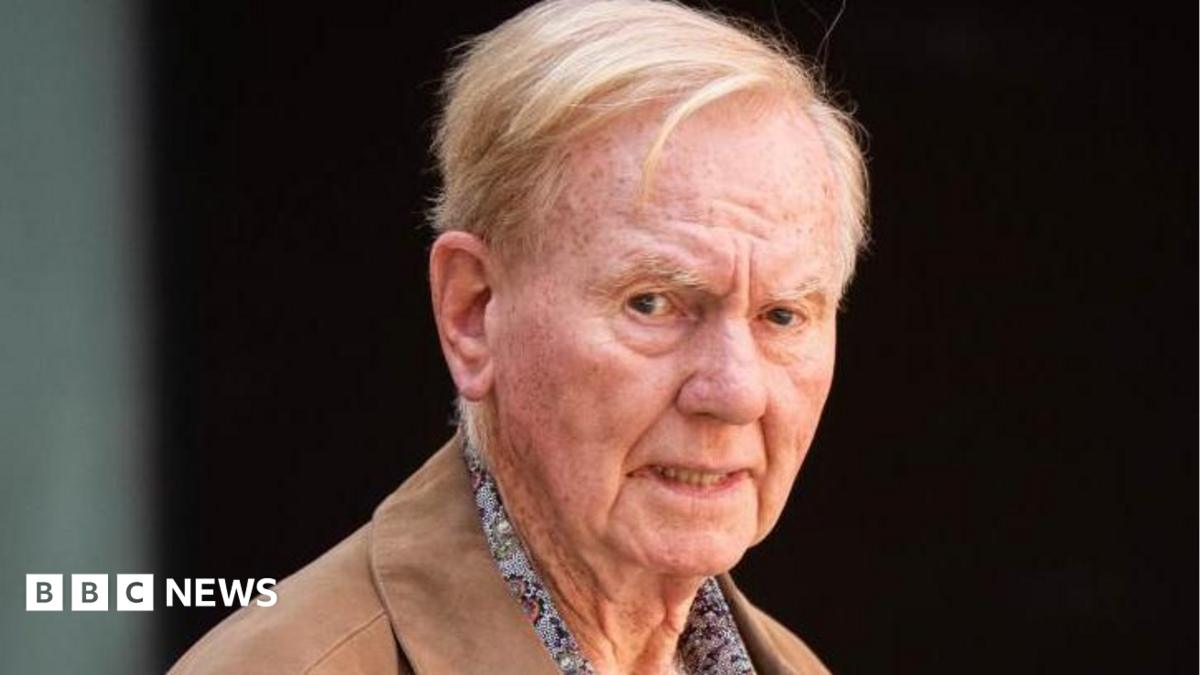
A former Nasa scientist who defrauded investors out of £1m has been ordered to pay back £655,951.40. John Burford, 86, was sentenced to two years in prison in 2025 for his crimes.
A former Nasa scientist named John Burford tricked over 100 people into giving him £1m. He promised them good investments, but he actually used their money to buy a house and for himself. He got caught and had to pay back £655,951.40. This is a good thing because it means that most of the people he tricked will get their money back.
Analysis
A £1m Scam Unraveled
John Burford, a 86-year-old former Nasa scientist, has been ordered to pay back £655,951.40 to investors he defrauded out of £1m. This is a significant victory for the Financial Conduct Authority (FCA), which has been working to recover stolen money and return it to victims. Burford's crimes were uncovered in 2025, when he was sentenced to two years in prison. Despite not being authorised to do so, he had offered trade alerts and investment opportunities in 'managed funds' through his firm Financial Trading Strategies between 2016 and 2021. The FCA said that Burford had generated more than £1m through his illegal investment schemes, but only traded £760,000, most of which was lost. Substantial amounts of money investors sent him were actually used to buy a house, a court heard in June 2025. The FCA said that he repeatedly misled investors about fund performance, concealed losses and used their money for personal gain. The regulator said that the payout ordered against Burford is the total value of assets the court found could still be recovered and returned directly to his victims. It said that the payments, together with previous payments from Burford to investors, means an estimated 99% of the money originally invested by the roughly 70 known victims will have been returned. This is a significant achievement for the FCA, and a clear message that crime does not pay. The regulator's efforts to recover stolen money and return it to victims sends a strong message to would-be fraudsters that they will be caught and punished.
The Consequences of Financial Fraud
Financial fraud can have devastating consequences for victims, including the loss of their life savings. It is essential that regulators and law enforcement agencies work together to prevent and investigate financial crimes. The FCA's efforts to recover stolen money and return it to victims is a crucial step in this process.
The Road Ahead
The FCA's success in recovering stolen money and returning it to victims is a significant step forward in the fight against financial fraud. However, there is still much work to be done. The regulator must continue to work to prevent and investigate financial crimes, and to recover stolen money and return it to victims. This will require a sustained effort and a commitment to protecting consumers from financial harm.
Key points
- John Burford, a 86-year-old former Nasa scientist, has been ordered to pay back £655,951.40 to investors he defrauded out of £1m.
- Burford was sentenced to two years in prison in 2025 for his crimes.
- The FCA said that Burford had generated more than £1m through his illegal investment schemes, but only traded £760,000, most of which was lost.
- Substantial amounts of money investors sent him were actually used to buy a house, a court heard in June 2025.
- The FCA said that the payout ordered against Burford is the total value of assets the court found could still be recovered and returned directly to his victims.
The FCA's success in recovering stolen money and returning it to victims is a positive development. It suggests that the regulator is committed to protecting consumers from financial harm and that it is taking effective action to prevent and investigate financial crimes.
The fact that John Burford was able to defraud over 100 investors out of £1m highlights the ongoing risk of financial fraud. It is essential that regulators and law enforcement agencies continue to work together to prevent and investigate financial crimes.