How wildfires in France and Spain might affect your travel plans
Wildfires in France and Spain have forced over 300,000 people from their homes, with authorities urging tourists to avoid affected regions. The article outlines how travellers should approach insurance claims, cancellations, and rebooking as European wildfire risk rises.
Intelligence analysis by Llama
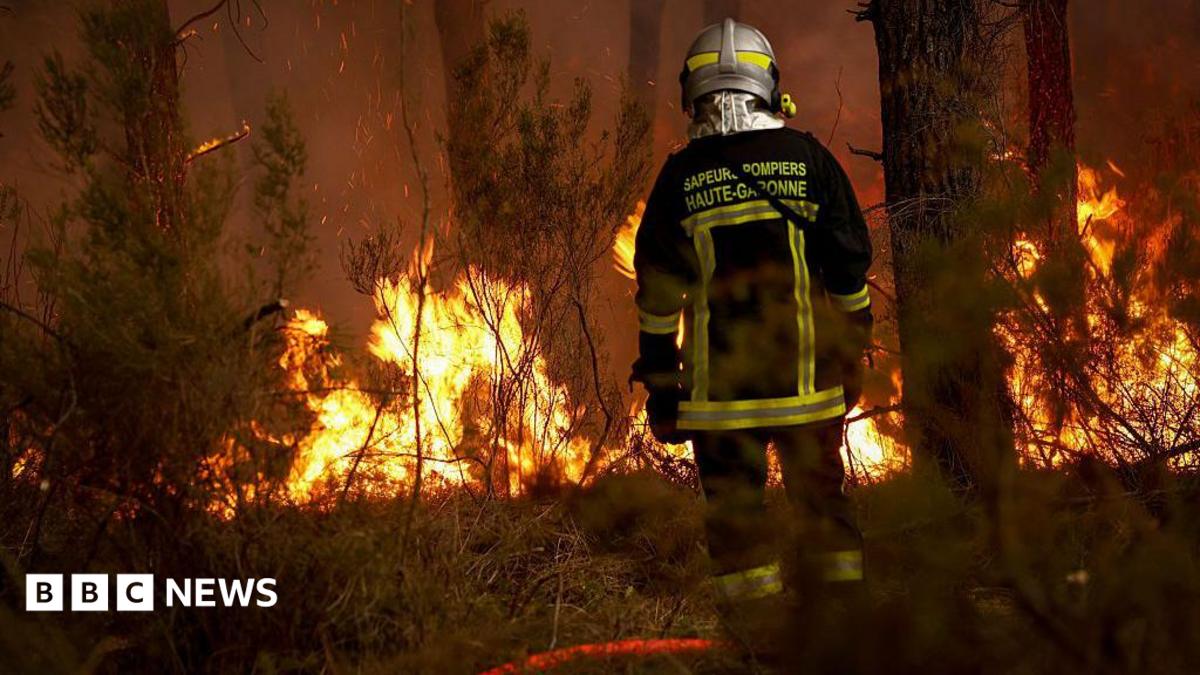
Mass evacuations across southern France and Spain have prompted travel advisories, with the UK government urging caution but not formal bans. Experts flag that only half of travel insurance policies cover catastrophic events, and warn that rising wildfire frequency may reshape insurance pricing and destination viability.
Wildfires in France and Spain have pushed over 300,000 people out of their homes, and tourists are being told to stay away. Imagine a school that has to close for a fire drill: flights and hotels in the danger zone may get cancelled, and travellers may have to wait and see whether their trips can still happen safely.
Analysis
Evacuations on a Continental Scale
The article reports that wildfires across France and Spain have forced more than 300,000 people from their homes, with many sheltering in sports halls and other temporary facilities. French authorities have escalated their response, with Sophie Brocas, prefect of Gironde, publicly urging tourists to avoid the region and advising those already present to consider alternative destinations. The UK government has not issued a formal travel ban but advises caution, noting that road closures and further evacuations may occur at short notice.
In Spain, authorities have declared a national emergency as fires burn in parts of Madrid and Ávila, with additional reports of blazes in other inland areas. France's official wildfire map places Gironde and Pyrénées-Orientales at the highest alert level, while Aude and Var sit at the second-highest tier, with more than 20 active fires reported across the country including on Corsica.
Insurance Coverage Gaps in a Warming Climate
The piece highlights a significant consumer protection gap: only half of travel insurance policies include "catastrophe" cover, according to analysis from Defaqto. This means many travellers disrupted by wildfires may find themselves without financial recourse. Chris Bose of the Association of British Insurers (ABI) confirms that coverage depends entirely on individual policy wording, and Anna-Marie Duthie of Defaqto notes that even where coverage exists, claims depend on whether a policy was in place before events became foreseeable.
The World Health Organization reports that land burned by wildfires across Europe has increased by 57% since summer 2022, a trend that Duthie says insurers are watching closely. Near-term policy changes appear unlikely, but the longer-term outlook includes potential reductions in insurable destinations and rising premiums, a signal that climate risk is moving from the periphery to the core of insurance underwriting.
The Economics of an Unstable Travel Market
Beyond immediate disruption, the article points to structural economic implications for European tourism. Travel operators, accommodation providers, and airlines face mounting pressure to offer flexible rebooking and refund options as climate-driven disasters become more frequent. The risk of mass cancellations during peak summer season introduces revenue volatility for an industry that depends on stable, predictable travel flows.
The consumer advice angle, that travellers who cancel early may forfeit refunds and that insurers do not cover "disinclination to travel", underscores the market's lack of maturity in handling climate-driven cancellations. As the WHO's 57% figure suggests a structural shift rather than an anomaly, insurers and travel companies will increasingly need to price climate risk into their products, a transition that could reshape both pricing and the geography of European tourism over the coming decade.
Key points
- More than 300,000 people have been evacuated due to wildfires in France and Spain
- Spanish authorities have declared a national emergency as fires burn in Madrid and Ávila regions
- Only half of travel insurance policies include catastrophe cover, according to Defaqto
- Land burned by wildfires in Europe has risen 57% since summer 2022, per the World Health Organization
- Insurance experts warn that premiums may rise and insurable destinations may shrink over time
If insurers respond to rising wildfire frequency with expanded catastrophe cover, travellers in future seasons may find broader financial protection. Tour operators and airlines that build flexible rebooking policies into standard offerings could differentiate themselves and retain customer trust during future climate-driven disruptions.
If wildfire seasons continue intensifying as the WHO data suggests, insurers may withdraw coverage from high-risk European destinations or raise premiums sharply, pricing some travellers out of peak-season holidays. The current insurance gap, where only half of policies include catastrophe cover, leaves many consumers exposed to potentially large out-of-pocket losses.