Oil price dives as US and Iran pause attacks
Oil prices have fallen sharply following a pause in attacks between the US and Iran, raising hopes for a resolution to the conflict and easing fears over global energy supplies.
Intelligence analysis by Gemini 2.5 Flash
Brent crude, the international oil benchmark, dropped over 9% to below $88 a barrel after both the US and Iran announced a halt to military operations to allow for talks. This de-escalation temporarily alleviates concerns about the closure of the critical Strait of Hormuz and other key shipping routes, which had previously driven prices above $100.
Imagine oil is like the special fuel for all the cars, planes, and factories in the world. When there's a big argument between two countries, like the US and Iran, it makes people worry that the fuel might not be able to travel safely through important sea paths, like a busy road. When people worry, the price of that fuel goes up a lot. But now, the US and Iran have decided to stop fighting for a bit to talk, which makes everyone think the fuel will be safe again, so its price has dropped, like when traffic clears up on a busy road.
Analysis
Oil Markets React to De-escalation
The global oil market experienced a notable shift as Brent crude, the international benchmark, saw its price fall by more than 9%, dipping below $88 a barrel. This sharp decline marks a significant turnaround from the previous week, when prices had surged past $100, reflecting heightened geopolitical tensions. The immediate catalyst for this market reaction was the announcement of a pause in attacks between the United States and Iran, with both sides indicating a desire to create 'space for talks'.
This de-escalation signals a potential easing of supply concerns that have plagued the market. Investors are reacting positively to the prospect of a diplomatic resolution, which could stabilize the flow of oil through critical maritime chokepoints. However, market analysts, such as Susannah Streeter of Wealth Club, caution that despite the sharp fall, 'significant uncertainty' remains, suggesting that the path to a lasting breakthrough in negotiations is far from guaranteed.
A Volatile History of Supply Fears
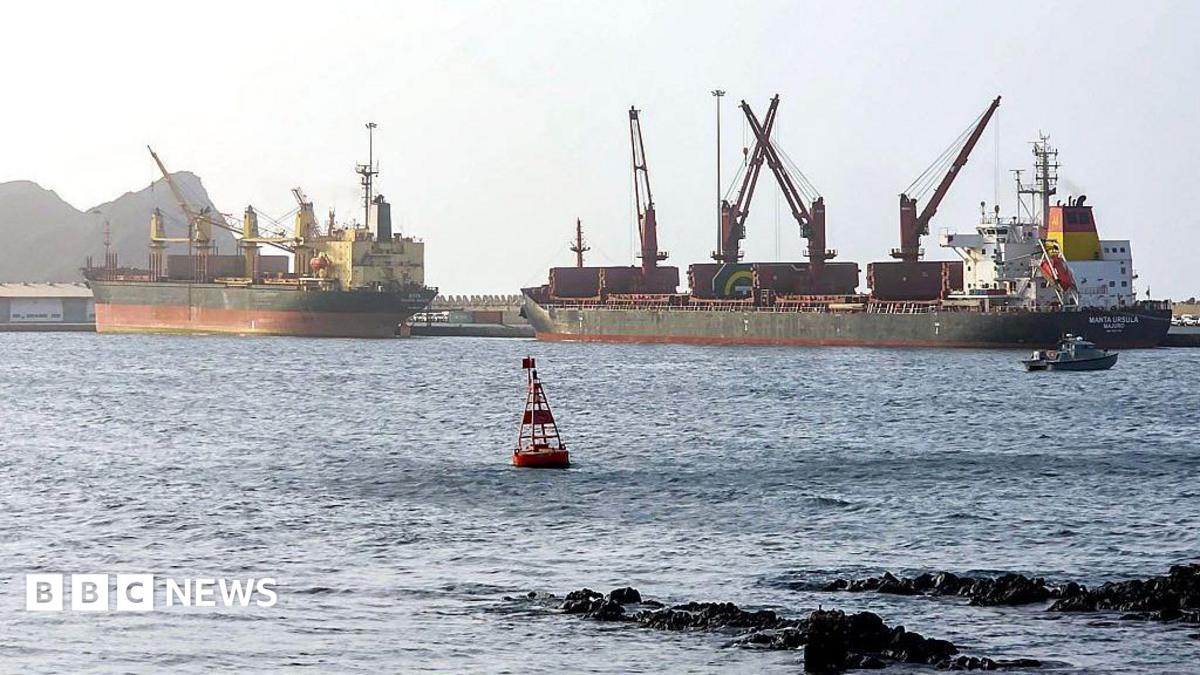
The conflict between the US and Iran has historically been a major driver of oil price volatility, primarily due to its impact on the Strait of Hormuz. This vital shipping route typically handles approximately 20% of the world's oil and liquefied natural gas (LNG) supply. Previous escalations, including the initial outbreak of the 'Iran war', led to the effective closure of the strait and a corresponding sharp rise in oil prices.
Earlier attempts at de-escalation, such as a memorandum of understanding signed in June to halt military operations and reopen the strait, saw oil prices temporarily return to pre-war levels of around $70 a barrel. However, the subsequent collapse of that ceasefire reignited fears over global energy supplies, pushing prices back up. Adding to these concerns, Houthi militia attacks on oil tankers in the Red Sea further threatened export routes, including one Saudi Arabia had used to bypass the Strait of Hormuz, contributing to last week's surge past $100.
Broader Economic Ripple Effects
The fluctuations in oil prices, directly influenced by the US-Iran conflict, have profound knock-on effects across the global economy. Higher crude prices translate into increased costs for fuels like petrol and diesel, which in turn raise operational expenses for businesses. These higher costs are often passed on to consumers, contributing to broader inflationary pressures across various sectors, including food.
Persistent high inflation increases the likelihood that central banks will intervene by raising interest rates to bring price rises under control. For instance, the European Central Bank had already lifted its key interest rate, citing the conflict's inflationary impact. In the UK, expectations for interest rate cuts by the Bank of England have been replaced by predictions of a potential rate rise later in the year, underscoring how geopolitical events in the Middle East can directly influence monetary policy decisions and economic stability worldwide.
Key points
- Brent crude oil prices fell over 9% to below $88 a barrel following a pause in US-Iran attacks.
- Both the US and Iran halted military operations to create 'space for talks' aimed at resolving the conflict.
- The conflict had previously caused oil prices to surge above $100 due to fears over the Strait of Hormuz and other shipping routes.
- Market analysts remain cautious, noting significant uncertainty despite the recent price drop.
- High oil prices contribute to inflation and can lead central banks to raise interest rates, impacting global economies.
Should the pause in attacks lead to successful negotiations and a lasting resolution, global oil prices could stabilize at lower levels. This would alleviate inflationary pressures, potentially preventing further interest rate hikes by central banks and offering relief to consumers through reduced fuel and goods costs.
If the current pause in attacks proves temporary and negotiations fail, the conflict could reignite, leading to renewed fears over oil supply disruptions. This would likely send oil prices soaring again, exacerbating global inflation and forcing central banks to implement more aggressive interest rate increases, potentially slowing economic growth.
Market signals
- OIL A pause in US-Iran attacks eased fears over global oil supply routes, leading to a sharp decline in Brent crude prices.
AI-generated analysis of potential market relevance. Not financial advice.