PM urged to uphold climate pledges made as mayor and ban new North Sea oil drilling
Leading climate scientists are urging Prime Minister Andy Burnham to reject new North Sea oil drilling, citing his past ambitious climate pledges as Mayor of Greater Manchester and the escalating climate crisis.
Intelligence analysis by Gemini 2.5 Flash
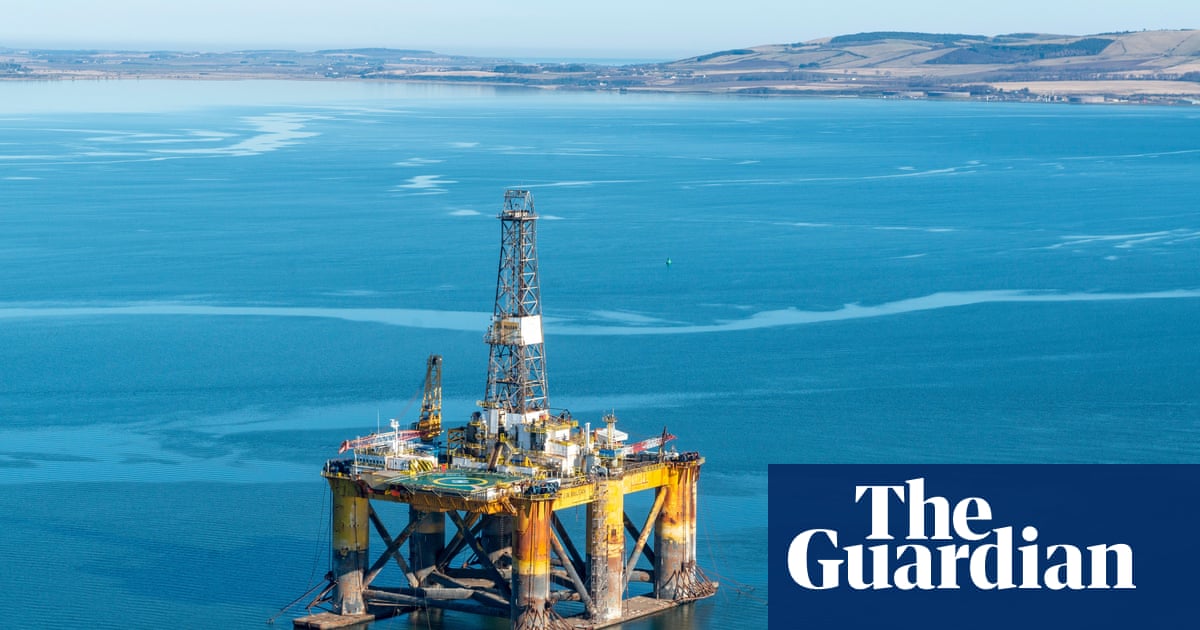
The article highlights the pressure on PM Andy Burnham to reconcile his previous commitment to a carbon-neutral Greater Manchester by 2038 with current reports suggesting his government might approve new drilling at the Jackdaw and Rosebank oilfields, a move scientists warn would undermine the UK's international climate standing.
Imagine you promised your friends you'd stop eating so much candy to be healthier, and you even made a big plan for it. Now, you're in charge of the whole school, and some people want you to approve a new candy factory. Scientists who helped you make your healthy plan are saying, "Hey, you promised! And look, everyone's getting tummy aches from too much sugar!" They want you to stick to your promise and say no to the new factory, because it's important for everyone's health and for showing other schools how to be healthy too.
Analysis
Burnham's Climate Conundrum
Prime Minister Andy Burnham faces a significant challenge in balancing his past climate commitments with current energy policy decisions. As Mayor of Greater Manchester, Burnham championed an ambitious plan for the region to become carbon neutral by 2038, a policy underpinned by rigorous scientific analysis from experts at the Tyndall Centre. These same scientists are now publicly urging him to reject the approval of new drilling at the Jackdaw and Rosebank oilfields in the North Sea, projects that had received initial approval under the previous Conservative government but were stalled by legal action requiring further environmental assessment. The reports suggesting Burnham's government is poised to greenlight these projects put him in a difficult position, potentially alienating a key scientific and environmental constituency that previously supported his vision for a 'green industrial revolution' in Manchester.
The Scientific Imperative and Shrinking Carbon Budgets
The scientists' letter to the Prime Minister emphasizes the increasingly dire climate situation, citing extreme heat and wildfires across the UK and Europe as tangible evidence of global warming. They underscore that global temperatures have already reached the lower limit of the Paris Agreement's 1.5°C target, and to respect even the weaker 2°C interpretation, global carbon dioxide emissions must fall by nearly 8% annually, starting immediately. Approving new oil and gas fields, they argue, is irreconcilable with these scientific realities and the UK's repeated international climate obligations. The remaining global carbon budgets, which provide a finite allowance for emissions, are rapidly diminishing, leaving policymakers with less room for maneuver and increasing the urgency of decisive action.
International Standing and Economic Implications
The decision on Jackdaw and Rosebank carries significant weight for the UK's international reputation and its economic future. Scientists warn that approving new drilling would send a clear signal that the UK is backtracking on its climate commitments, potentially undermining its credibility on the global stage where it has often urged other nations to uphold their obligations. Domestically, such a move could provoke a backlash from within the Labour party, which made a manifesto promise against issuing new oil and gas licenses. Economically, a continued reliance on fossil fuels could hinder the UK's transition to a green economy, potentially missing out on opportunities for innovation, job creation, and investment in renewable energy and sustainable technologies, which Burnham himself once envisioned as central to Greater Manchester's future.
Key points
- Climate scientists are urging PM Andy Burnham to reject new North Sea oil drilling, specifically at the Jackdaw and Rosebank fields.
- Burnham, as Mayor of Greater Manchester, previously championed an ambitious plan for the region to be carbon neutral by 2038.
- The scientists argue that approving new drilling would contradict the UK's international climate commitments and scientific evidence of escalating global warming.
- Global carbon dioxide emissions must fall by almost 8% annually to meet the 2°C limit of the Paris Agreement, a target made harder by new fossil fuel projects.
- The decision is seen as a test of Burnham's commitment to evidence-based policy and his past vision for a green industrial revolution.
If Prime Minister Burnham upholds his previous climate pledges and bans new North Sea oil drilling, the UK could reinforce its position as a global leader in climate action, potentially attracting more investment in green technologies and accelerating its transition to a sustainable economy. This would align with his vision for a 'green industrial revolution' and demonstrate political courage in the face of short-term pressures.
Should Burnham's government approve new drilling, it risks severely damaging the UK's international climate credibility and undermining its efforts to encourage other nations to meet their climate obligations. This decision could also lead to significant political backlash within his own party and among environmental groups, potentially hindering the UK's long-term economic shift towards green industries.