Ceasefire on paper, violations in practice equation disrupted
Bagher Ghalibaf said Iran's strikes disrupted what he called a ceasefire on paper, warning Iran will keep responding with missiles.
Intelligence analysis by GPT-5.4 Mini
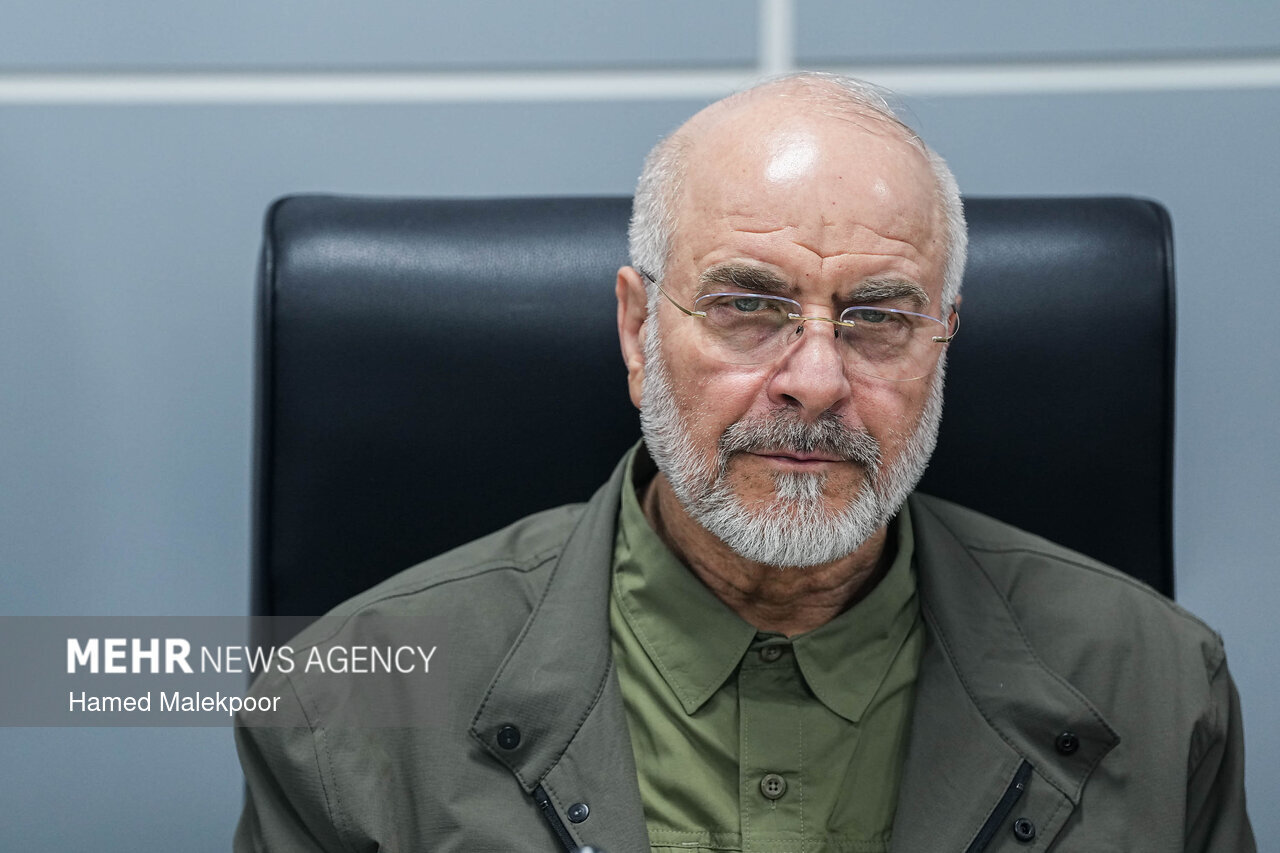
Parliament Speaker Bagher Ghalibaf said Iran has upended a pattern of nominal ceasefire alongside repeated violations on the ground. He tied Iran's response to Israel's actions in Lebanon and said the missile strikes will continue unless there is real trust-building.
Iran’s leaders are saying a truce is useless if fighting keeps happening anyway. It is like drawing a line in the sand and then watching someone step over it again and again, so Iran says it will keep hitting back.
Analysis
What Ghalibaf said
Iranian Parliament Speaker Bagher Ghalibaf said in a post on X that Iran had “disrupted the equation” of a ceasefire that exists only on paper while violations continue in practice. He said Iran’s answer, in the form of missile strikes, would continue.
The ceasefire dispute
According to the article, Iranian officials have repeatedly said the ceasefire that took effect on April 8 between Iran and the United States was supposed to apply conditionally across all fronts, including Lebanon. They argue that Israel has kept attacking Lebanon with a greenlight from the United States and without effective action from international organizations.
Iran’s response
The article says the IRGC launched a series of missile strikes on Sunday night against targets in the occupied territories, including Israel’s Ramat David Air Base. Ghalibaf presented those strikes as Iran’s answer to what Tehran views as continuing violations and a lack of genuine intent to build trust.
Political signal
The message from Ghalibaf is less about diplomacy and more about deterrence. The article portrays Iran as arguing that a ceasefire cannot hold if it is not matched by restraint in the field. In that framing, missile strikes are not a separate event but part of the response to an agreement that Iran says has already been broken in practice.
Key points
- Ghalibaf said Iran has disrupted a pattern of paper ceasefires and real-world violations.
- He said Iran's missile response will continue unless there is genuine trust-building.
- Iranian officials say the April 8 ceasefire was meant to cover all fronts, including Lebanon.
- The article says Israel kept attacking Lebanon, which Iranian officials call war crimes.
- The IRGC launched missile strikes on Sunday night, including against Ramat David Air Base.
If the message leads to more serious restraint on all sides, it could reduce the gap between formal ceasefire talk and what happens on the ground. That would make it easier for any truce to hold beyond paper and headlines.
If each side keeps treating the other as the one breaking the deal, the cycle of strikes can keep expanding. The article suggests Iran sees continued attacks as proof that retaliation will not stop, which raises the risk of wider escalation.