CEC Protest: SC Issues Key Directions on Detentions, Movement, Metro Services
The Supreme Court of India ordered Delhi authorities to lift blanket restrictions on metro, rail, and movement during protests against Chief Election Commissioner Gyanesh Kumar, emphasizing regulation over outright prohibition.
Intelligence analysis by Gemini 2.5 Flash
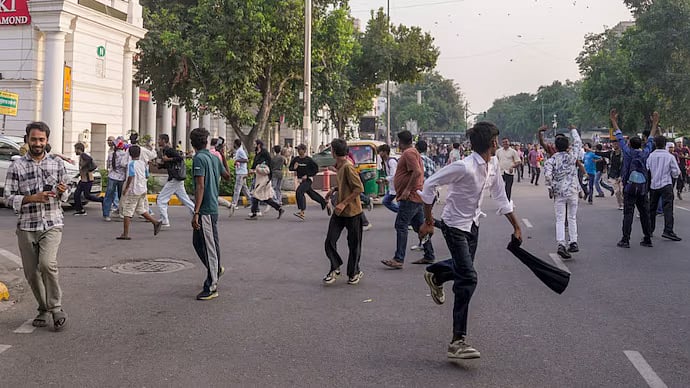
The Supreme Court intervened in Delhi, directing authorities to ease extensive curbs imposed during protests against CEC Gyanesh Kumar. The ruling mandates normal metro and rail services, reviews of barricades, and an end to illegal detentions, stressing that public order concerns allow regulation but not outright prohibition of essential services.
Imagine your school principal closing all the gates and stopping all buses just because a few kids were complaining about a new rule. The Supreme Court, like a super-principal, stepped in and said, "No, you can't stop everyone from moving around or using the bus just because of a few complaints. You can make sure things are safe, but you can't shut everything down completely."
Analysis
The Supreme Court's recent intervention in Delhi marks a significant moment for civil liberties and the right to protest in India. The Court addressed the widespread restrictions imposed during demonstrations against Chief Election Commissioner Gyanesh Kumar, a situation that saw extensive security measures and detentions. The judiciary's directive to lift blanket curbs on public services and movement underscores a critical balance between maintaining public order and protecting fundamental rights.
Gyanesh Kumar
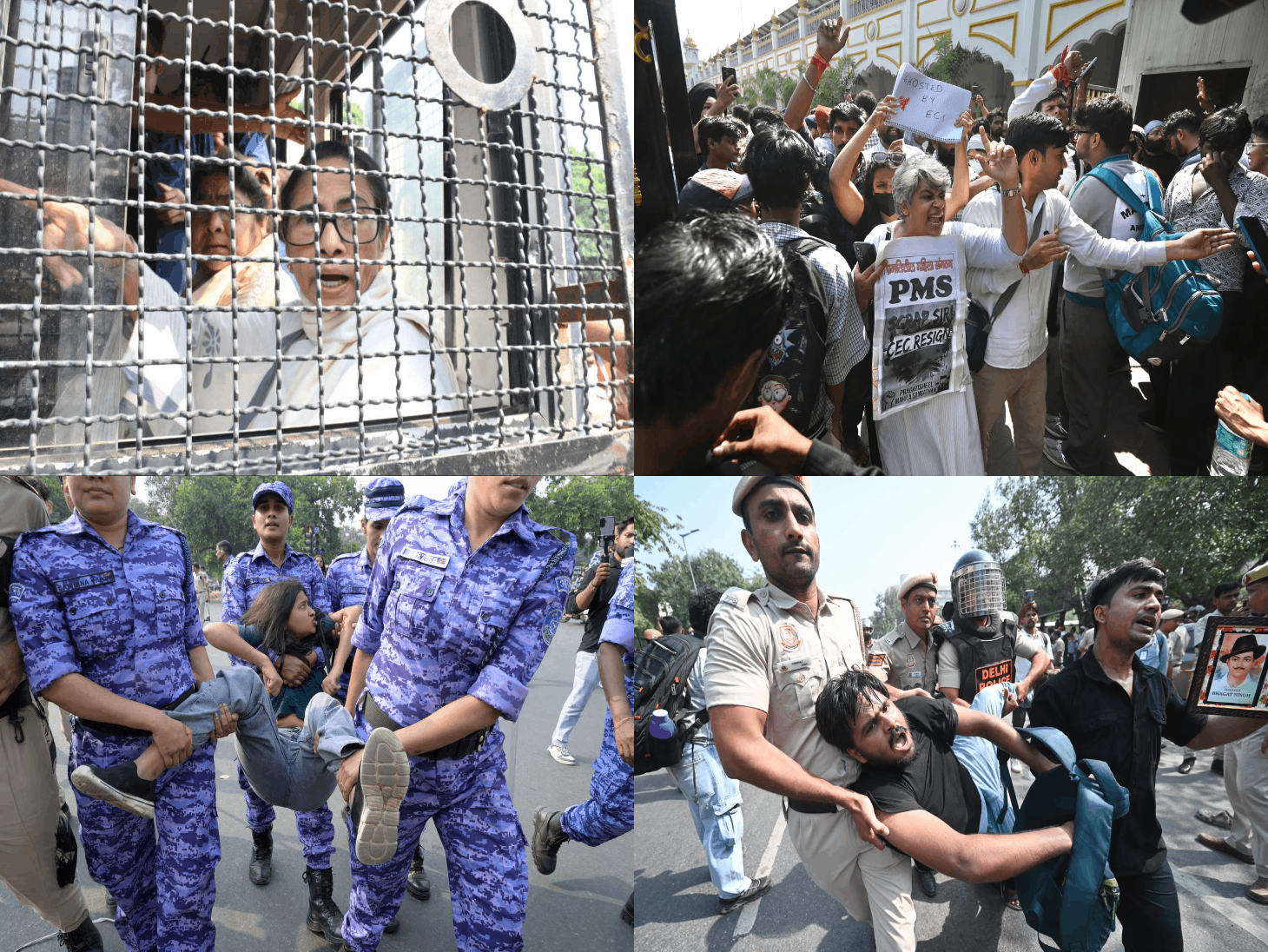
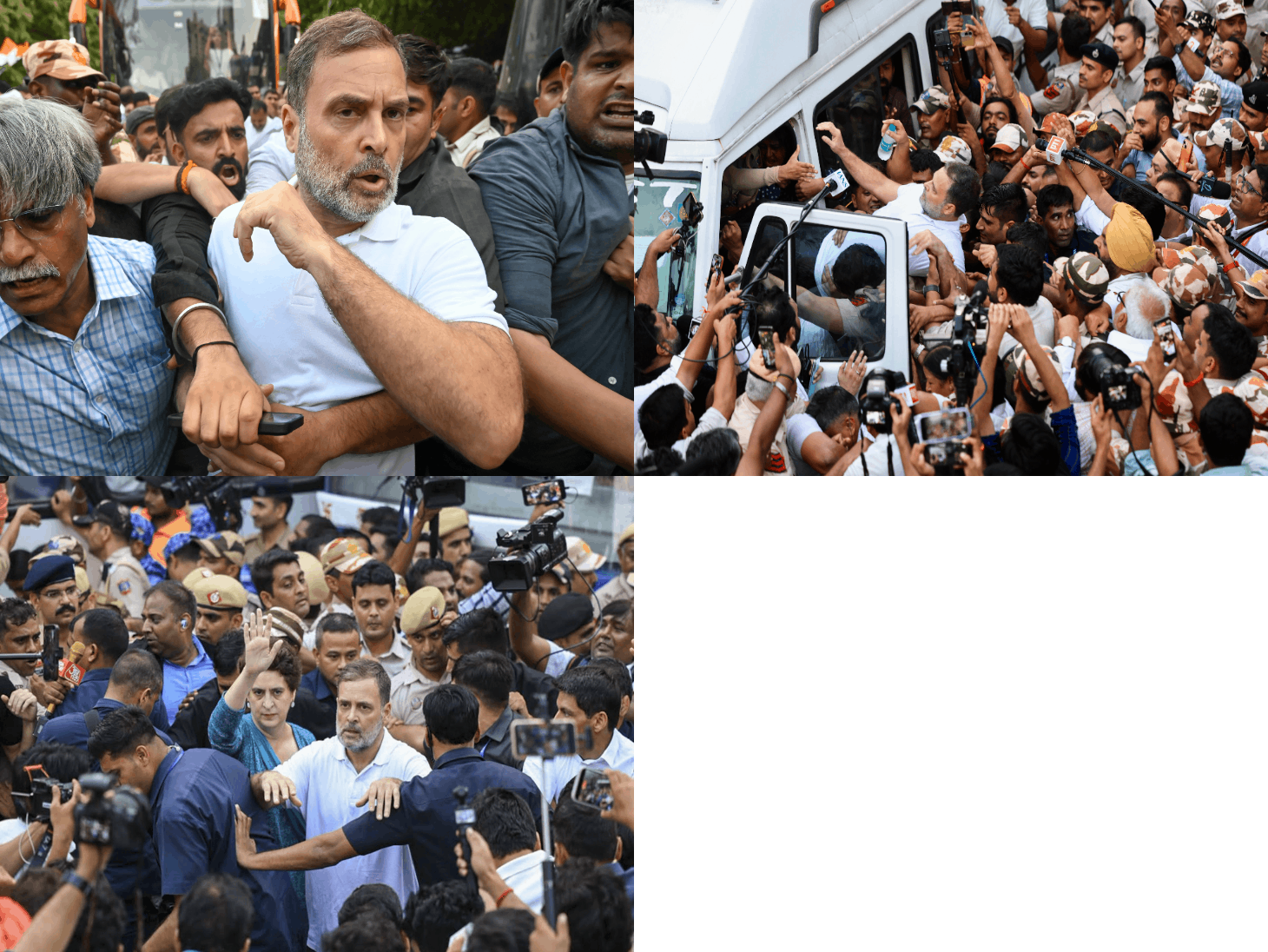
Protests against Chief Election Commissioner Gyanesh Kumar prompted the Delhi authorities to implement stringent security measures, including widespread detentions and significant disruptions to public life. The Supreme Court's special Sunday hearing was a direct response to these measures, which were perceived by many as excessive and an infringement on the right to peaceful assembly. The Court's ruling effectively challenged the state's broad powers to curtail public gatherings, particularly when they involve criticism of public officials.
The Court's directions aimed to restore normalcy, ensuring that citizens could exercise their democratic right to protest without facing disproportionate state action. This judicial oversight serves as a crucial check on executive power, reminding authorities that even in the face of perceived threats to public order, constitutional rights cannot be arbitrarily suspended. The context of protests against a high-ranking election official adds another layer of significance, highlighting the importance of free expression in a democratic setup.
Article 19(2)
The Supreme Court's ruling explicitly referenced Article 19(2) of the Constitution, which allows for reasonable restrictions on fundamental rights in the interest of public order. However, the Court clarified that this provision permits regulation, not outright prohibition, of essential public services and movement. This distinction is vital, as it prevents authorities from using public order concerns as a pretext for a complete shutdown of civic life during protests.
By emphasizing proportionality and transparency, the Court reinforced the idea that any restrictions must be narrowly tailored to address specific law and order concerns, rather than imposing a blanket ban. This interpretation of Article 19(2) sets a precedent for future management of protests, requiring authorities to justify their actions with specific threats rather than general apprehensions. It ensures that the state's power to maintain order does not overshadow the citizens' constitutional freedoms.
57 Metro Stations
The scale of the restrictions was evident in the closure of 57 metro stations and numerous train cancellations, causing significant disruption to daily life in Delhi. The Supreme Court's order directly addressed this, mandating the normal functioning of metro and rail services and the immediate review and relaxation of barricades. This directive aimed to alleviate the severe inconvenience faced by commuters and ensure that public transport remained accessible.
Despite the Court's clear instructions, initial reports indicated that Delhi Police maintained some restrictions, particularly in the New Delhi area, and continued to detain groups of five or more. This highlights the ongoing tension between judicial directives and executive implementation, suggesting that while the legal framework for protecting protest rights has been strengthened, practical challenges in enforcement may persist. The requirement for compliance reports within four days indicates the Court's intent to monitor the situation closely and ensure its orders are fully respected.
Key points
- Supreme Court ordered Delhi authorities to lift blanket restrictions on metro, rail, and movement during protests.
- The Court emphasized that regulation, not outright prohibition, is permissible for public order under Article 19(2) of the Constitution.
- Authorities were directed to ensure normal functioning of metro and rail services and review barricades immediately.
- Illegal detentions of peaceful protesters were prohibited, with compliance reports due in four days.
- Despite the ruling, some restrictions and detentions by Delhi Police persisted, particularly in the New Delhi area.
The Supreme Court's clear directives could lead to a more balanced approach by authorities in managing future protests, ensuring citizens can exercise their right to peaceful assembly without facing disproportionate restrictions on movement and public services. This judicial intervention reinforces democratic principles and civil liberties in India.
Despite the Supreme Court's orders, the article notes that Delhi Police maintained some restrictions and detentions, indicating potential challenges in full compliance and a continued tension between security concerns and protest rights. This suggests that authorities might still find ways to regulate movement, potentially limiting the practical impact of the ruling on future demonstrations.