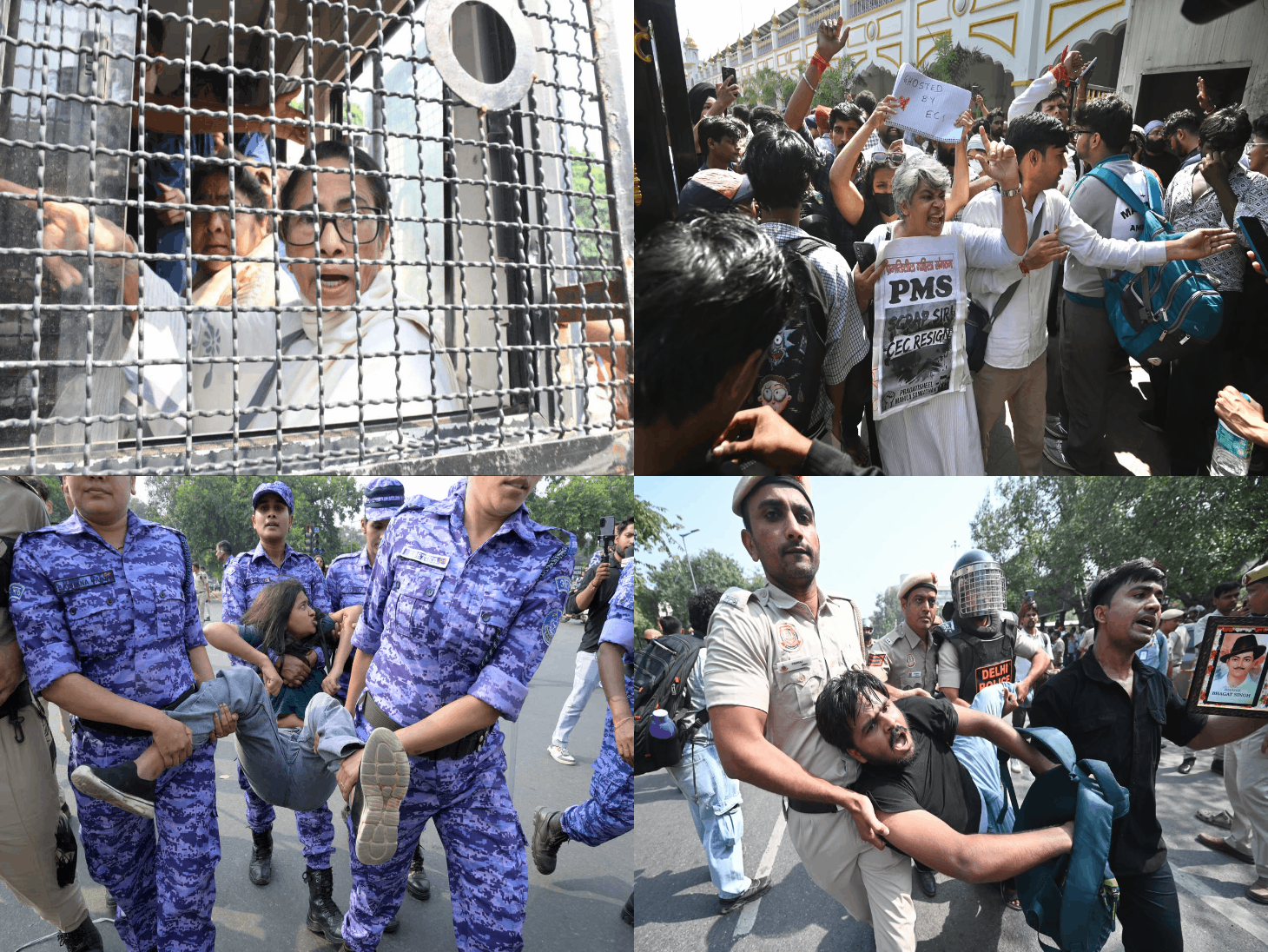
Opposition Protests for Gyanesh Kumar's Resignation: Rahul Gandhi Seeks Meeting with Chief Justice; 4 Protests in 6 Days
India's opposition, led by the Congress party, is intensifying protests demanding the resignation of Chief Election Commissioner Gyanesh Kumar, alleging electoral autonomy weakening and 'vote theft'. Rahul Gandhi has sought a meeting with Chief Justice of India Suryakant …
Intelligence analysis by Gemini 2.5 Flash
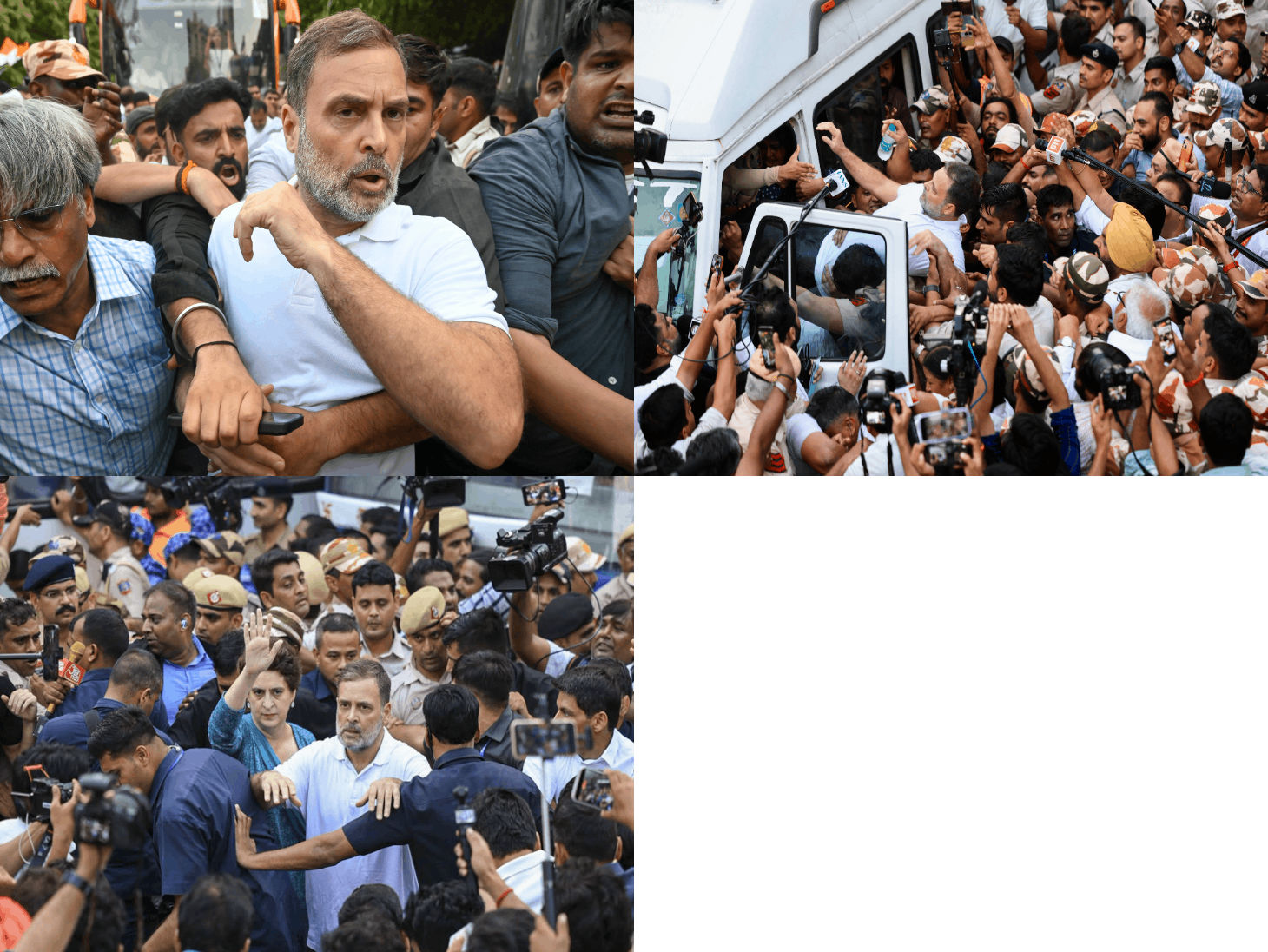
The Congress party and other opposition members are staging widespread protests in Delhi, accusing the central government of undermining the Election Commission's independence and manipulating electoral processes. Key leaders like Rahul and Priyanka Gandhi have been detained during these demonstrations, which have focused on the conduct of Chief Election Commissioner Gyanesh Kumar and…
Imagine there's a big game coming up, like a school election, and the referee is supposed to be super fair. But some kids think the referee, Mr. Kumar, isn't playing fair and is helping one team. So, the other team's captain, Rahul, and his friends are protesting a lot and even want to talk to the head teacher, the Chief Justice, to say that the game isn't being played properly and that the rules are being bent.
Analysis
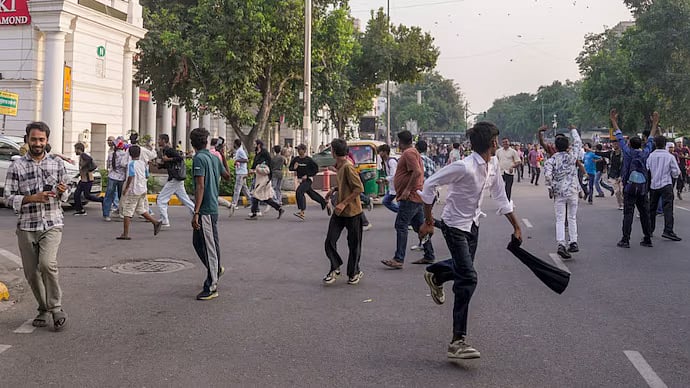
The ongoing protests by the opposition, particularly the Congress party, against Chief Election Commissioner (CEC) Gyanesh Kumar, underscore a deepening crisis of confidence in India's electoral system. The opposition alleges that the central government is actively weakening the Election Commission's autonomy, leading to what they term 'vote theft'. This sentiment has fueled a series of demonstrations, with prominent leaders like Rahul Gandhi and Priyanka Gandhi Vadra being detained multiple times, signaling a confrontational political environment.
Chief Election Commissioner Gyanesh Kumar
The opposition's primary target is Chief Election Commissioner Gyanesh Kumar, whose resignation is being vociferously demanded. The accusations against him are multifaceted, stemming from concerns over the transparency and fairness of electoral processes. An Indian Express report, cited by the opposition, indicates that other Election Commissioners, Sukhbir Singh Sandhu and Vivek Joshi, have raised objections on at least 14 occasions regarding decisions and orders related to 'SIR' (Systematic Electoral Reforms, though the article uses the acronym without full expansion) over the past ten months. These internal disagreements within the Election Commission itself lend credence to the opposition's claims of irregularities and a lack of consensus on critical electoral matters.
The Form-6 Controversy
Among the specific issues raised by the dissenting Election Commissioners and highlighted by the opposition is the controversy surrounding Form-6. This form, crucial for voter registration and related processes, reportedly saw the addition of an 'SIR'-related question, which was met with strong objections from Commissioners Sandhu and Joshi. Furthermore, concerns were raised about the process of adding, removing, and restoring names in the voter list, as well as broader issues concerning electoral data and software management. These objections point to a systemic unease within the Election Commission regarding the integrity of voter data and the mechanisms governing electoral rolls, which are fundamental to free and fair elections.
Rahul Gandhi's Engagement
Rahul Gandhi has emerged as a central figure in these protests, actively participating in demonstrations and seeking direct engagement with the judiciary. His request for a meeting with Chief Justice of India Suryakant signifies the opposition's intent to elevate their concerns beyond the political arena and seek judicial intervention or at least awareness regarding the 'current state of democracy' in the country. This move suggests a strategy to highlight the perceived erosion of democratic norms and institutional independence, particularly that of the Election Commission, to the highest judicial authority. The series of protests, including those on October 6, 7, 8, and 9, saw significant participation from INDIA bloc MPs, with Gandhi and Priyanka Gandhi Vadra being repeatedly detained, underscoring the high stakes involved in this political confrontation.
Key points
- The opposition, led by Congress, is protesting against Chief Election Commissioner Gyanesh Kumar, demanding his resignation.
- Rahul Gandhi has sought a meeting with Chief Justice of India Suryakant to discuss the state of democracy.
- Opposition leaders allege the central government is weakening the Election Commission's autonomy and engaging in 'vote theft'.
- Internal reports suggest Election Commissioners Sukhbir Singh Sandhu and Vivek Joshi raised 14 objections on 'SIR'-related decisions.
- Concerns include changes to Form-6, voter list management, and access to electoral data and software.
If the Chief Justice of India agrees to meet with Rahul Gandhi and the opposition's concerns are genuinely heard and addressed, it could lead to a review of the Election Commission's functioning and potentially restore public confidence in the electoral process. This engagement might foster greater transparency and accountability, strengthening India's democratic institutions.
The ongoing protests and allegations of 'vote theft' could further erode public trust in the Election Commission and the democratic process, leading to increased political instability and polarization. If the concerns are not adequately addressed, it might deepen the perception of institutional bias, potentially impacting the legitimacy of future election outcomes.