Central Bank of Egypt issues urgent message regarding OTPs
Central Bank of Egypt warns against sharing OTP codes to avoid fraud and expose bank accounts to risks.
Intelligence analysis by Qwen 2.5 (3B)
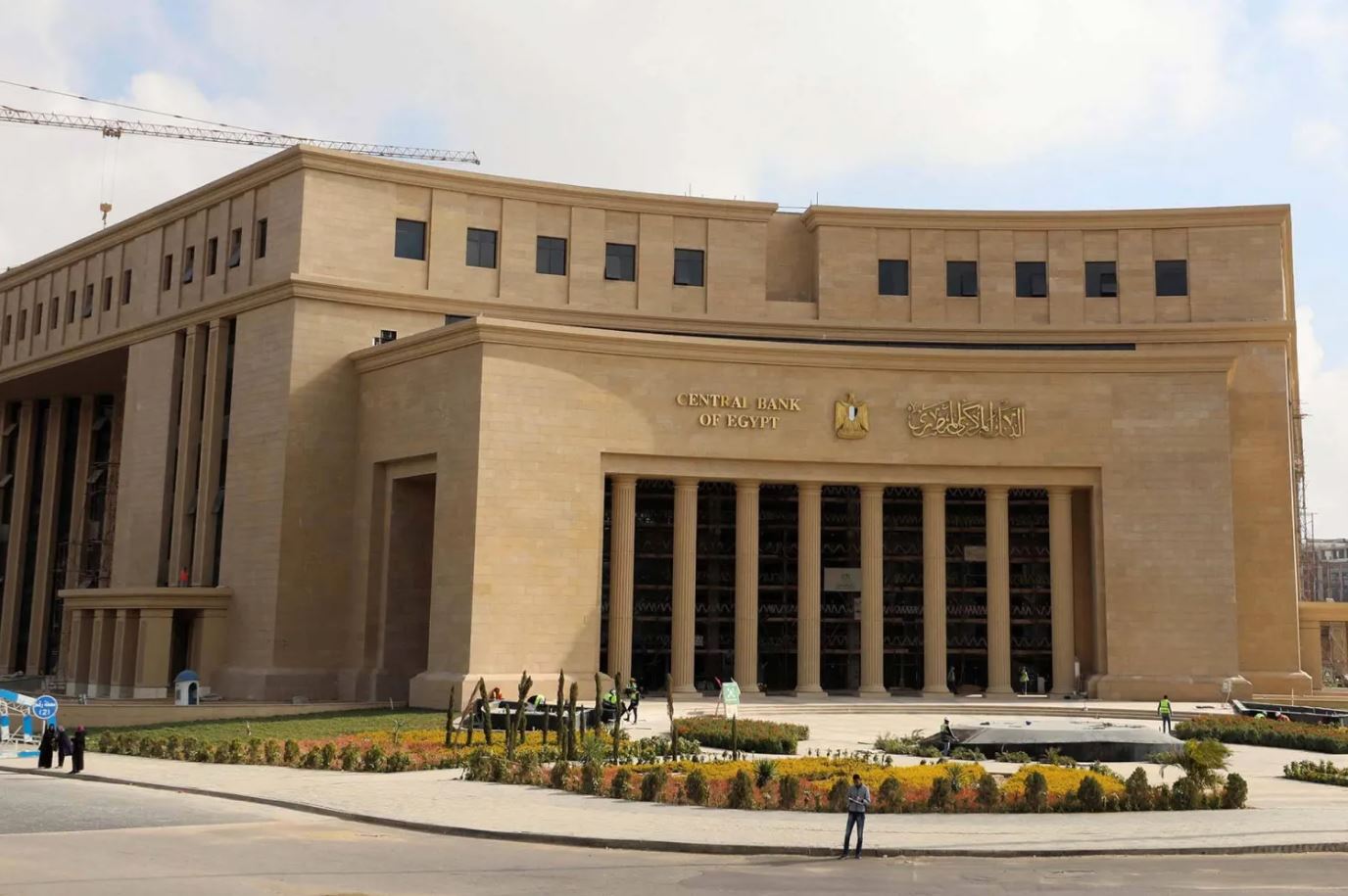
The Central Bank of Egypt has issued a warning about the risks of sharing One-Time Password (OTP) codes, which are used for secure banking transactions.
OTP codes are like secret numbers sent to your phone to make sure you're really you when you're buying things online. Don't share them with anyone, or bad guys could use them to pretend they're you and steal your money.
Analysis
{"heading":"OTP Code Risks and Importance","subheading":"Understanding OTPs and Their Role in Banking Security","paragraph_1":"One-Time Password (OTP) codes are security codes sent to users' phones to confirm payments during banking transactions. They are valid for one-time use only.","paragraph_2":"The Central Bank of Egypt has emphasized the importance of not sharing OTP codes with anyone, as doing so could expose users to fraud and scams.","paragraph_3":"Sharing OTP codes could allow someone else to use them to conduct transactions in the account holder's name, posing a significant risk to the user's financial information and transactions."}
Key points
- OTP codes are used for secure banking transactions
- Sharing OTP codes could expose users to fraud and scams
- Users should keep their OTP codes confidential
By following the warning, users can protect their bank accounts and financial information from fraud.
If users continue to share OTP codes, they could fall victim to scams and have their bank accounts compromised.