Challenges of Reopening the Strait of Hormuz Amid Sea Mines
The reopening of the Strait of Hormuz is a key part of the recent agreement between Iran and the US, but sea mines pose a significant challenge. Over 250 oil tankers and 330 cargo ships are currently in the Persian Gulf, with around 75% of oil tankers stationary.
Intelligence analysis by Llama 3.3 70B
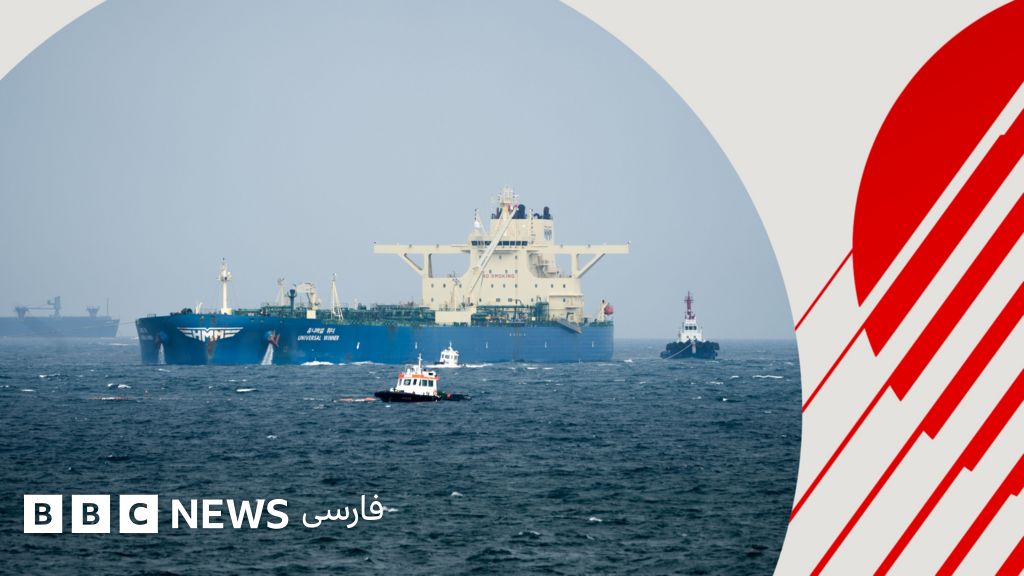
The Strait of Hormuz, a critical international waterway, is set to reopen as part of the Iran-US agreement, but the presence of sea mines and security concerns may hinder the process. Experts warn that the removal of these mines will be a complex and time-consuming task.
Imagine a very important road that many big trucks use to carry oil and other important things. This road is like the Strait of Hormuz, and it's been closed because of some dangerous bombs called sea mines. Now, some countries have agreed to work together to remove these bombs and reopen the road, but it's a difficult and time-consuming task.
Analysis
The Strait of Hormuz: A Critical Waterway
The Strait of Hormuz is a vital shipping route, with one-fifth of the world's energy supplies passing through it. The recent agreement between Iran and the US aims to reopen this waterway, but the presence of sea mines poses a significant challenge. According to experts, the removal of these mines will be a complex and time-consuming task.
The Challenge of Sea Mines
Iran has produced several types of sea mines, including the Maham, Rond, and Sadaf. The US has accused Iran of laying over 10 sea mines in the Strait of Hormuz, some of which are equipped with magnetic and acoustic sensors. The removal of these mines will require specialized equipment and expertise, and it is unclear how long this process will take.
The Impact on Global Trade
The reopening of the Strait of Hormuz is crucial for global trade, particularly for countries in the Persian Gulf region. The current situation, with many ships stationary or taking alternative routes, is causing significant disruptions to trade and commerce. The International Maritime Organization (IMO) is working with countries to provide equipment and expertise to help clear the mines and restore safe navigation through the strait.
Key points
- The Strait of Hormuz is a critical international waterway
- The presence of sea mines poses a significant challenge to reopening the strait
- The removal of sea mines will be a complex and time-consuming task
If the removal of sea mines is successful, the reopening of the Strait of Hormuz could lead to a significant increase in global energy supplies, which could help to reduce fuel prices and food inflation. This could also have a positive impact on trade and commerce in the region, and could help to improve relations between Iran and other countries.
However, the removal of sea mines is a complex and time-consuming task, and there is a risk that it may not be successful. If the mines are not removed, the Strait of Hormuz may remain closed, which could lead to continued disruptions to global trade and commerce. This could also have a negative impact on the economy and could lead to increased tensions in the region.