Changzhou says it is building China’s first city-level clean-power AI token factory
The Chinese city of Changzhou is constructing what it claims will be the country's first city-level "green token factory" to power AI computing with clean energy.
Intelligence analysis by Gemini 2.5 Flash
Changzhou announced plans to build a facility capable of producing 60 trillion AI tokens annually, powered entirely by green energy. This initiative aligns with Beijing's push for sustainable AI infrastructure and involves partnerships with companies like Alibaba Cloud.
Imagine a giant factory that makes special digital pieces, called 'tokens,' that help smart computer programs (AI) think and learn. This factory in a city called Changzhou, China, will be the first of its kind to run only on clean energy, like sunshine or wind, instead of dirty fuels. It's like making sure your super-smart robot friend gets all its energy from healthy, green food, not junk food, so it can work super fast and efficiently without harming the planet.
Analysis
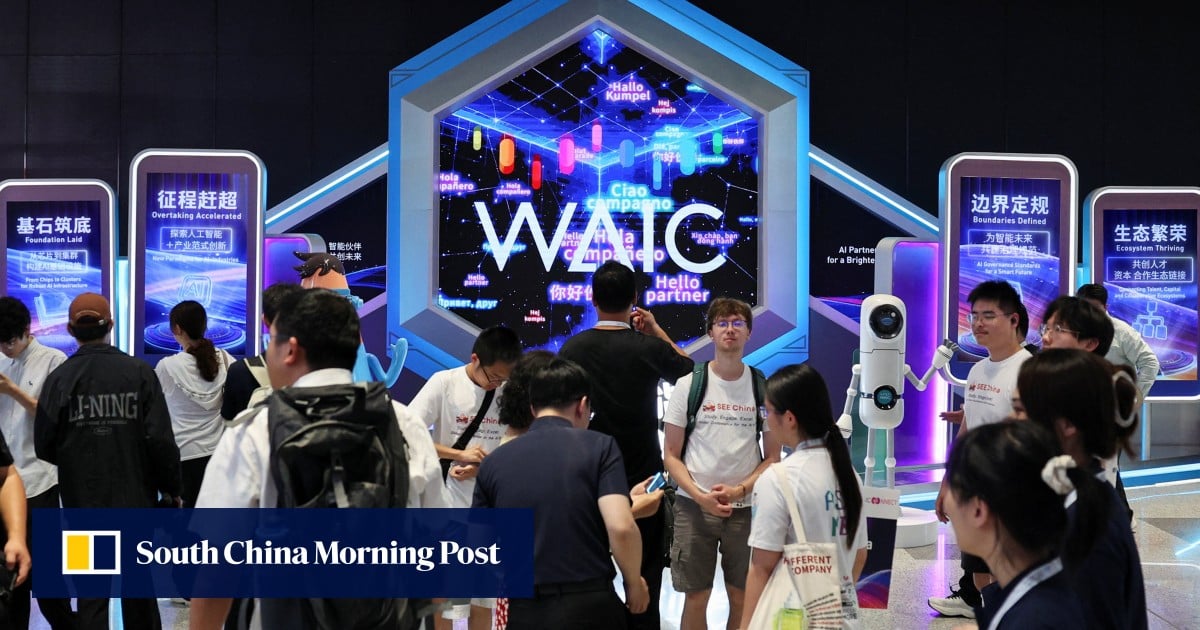
Changzhou's initiative to build China's first city-level 'green token factory' marks a significant step in the nation's strategy to reconcile its burgeoning artificial intelligence ambitions with its clean energy commitments. This project, announced during the World Artificial Intelligence Conference, aims to produce an astounding 60 trillion tokens annually, positioning Changzhou at the forefront of sustainable AI infrastructure development. The concept of a 'token factory' powered entirely by green energy directly addresses Beijing's mandate for AI computing demands to be met with renewable sources, setting a precedent for other cities to potentially follow. It underscores a national push to integrate environmental sustainability into the core of technological advancement, moving beyond traditional energy sources for compute-intensive AI operations.
Pioneering Sustainable AI Infrastructure
The "green token factory" in Changzhou represents a novel approach to powering the immense computational needs of artificial intelligence. By directly connecting to renewable energy plants, the facility bypasses conventional public grids, a move facilitated by national policy. This direct connection is designed not only to ensure a clean energy supply but also to optimize power usage, promising a substantial 62.5 percent increase in token output efficiency for the same computing power resources. This efficiency gain is critical, as it directly translates into enhanced token supply and improved economic viability for AI operations, making sustainable practices not just an environmental imperative but also a strategic economic advantage. The project's scale and its focus on direct green energy integration highlight a sophisticated understanding of the energy-intensive nature of modern AI.
Strategic Partnerships and Economic Viability
The successful execution of this ambitious project relies on robust partnerships, with key players like Alibaba Cloud and Wangsu Science and Technology signing on. Alibaba Cloud, a major cloud computing provider, brings essential technological expertise and infrastructure capabilities, while Wangsu Science and Technology contributes its information infrastructure platform services. These collaborations are vital for building and operating a facility of this magnitude and complexity. The emphasis on economic viability, driven by the projected efficiency gains, suggests that this model could be replicated, offering a scalable solution for China's growing AI sector. By demonstrating that large-scale AI operations can be both environmentally responsible and economically sound, Changzhou aims to provide a blueprint for future developments across the country, aligning technological progress with national sustainability goals.
Broader Implications for China's AI Landscape
Changzhou's green token factory is more than just a local initiative; it reflects a broader national strategy to secure a leading position in the global AI race while adhering to stringent environmental standards. The project's potential to churn out 60 trillion tokens annually signifies a massive boost to China's AI computing capacity, crucial for training and deploying advanced AI models. This city-level endeavor, if successful, could inspire a wave of similar projects, fostering a distributed network of clean-energy-powered AI hubs across China. It also signals a commitment to developing a resilient and sustainable digital economy, reducing reliance on fossil fuels for critical technological infrastructure. The initiative positions China as a leader in integrating green technology with cutting-edge AI, potentially influencing global standards for sustainable computing.
Key points
- Changzhou is building China's first city-level 'green token factory' for AI.
- The facility aims to produce 60 trillion tokens annually, powered entirely by green energy.
- It will connect directly to renewable energy plants, bypassing public grids.
- The project is expected to increase token output efficiency by 62.5 percent.
- Key partners include Alibaba Cloud and Wangsu Science and Technology.
This project could serve as a pioneering model for sustainable AI development, demonstrating how large-scale computing demands can be met with clean energy. Its success could significantly boost China's AI capabilities while advancing its environmental goals, potentially inspiring similar initiatives globally.
Market signals
- BABA Alibaba Cloud's involvement in a significant national AI infrastructure project suggests potential for future growth and strategic importance in China's tech landscape.
AI-generated analysis of potential market relevance. Not financial advice.