Child malnutrition in Nepal has reached ‘alarming’ levels since aid cuts, survey finds
Child malnutrition in Nepal has reached "alarming" levels following the cessation of USAID funding for nutrition programs, jeopardizing two decades of progress in reducing child mortality.
Intelligence analysis by Gemini 2.5 Flash
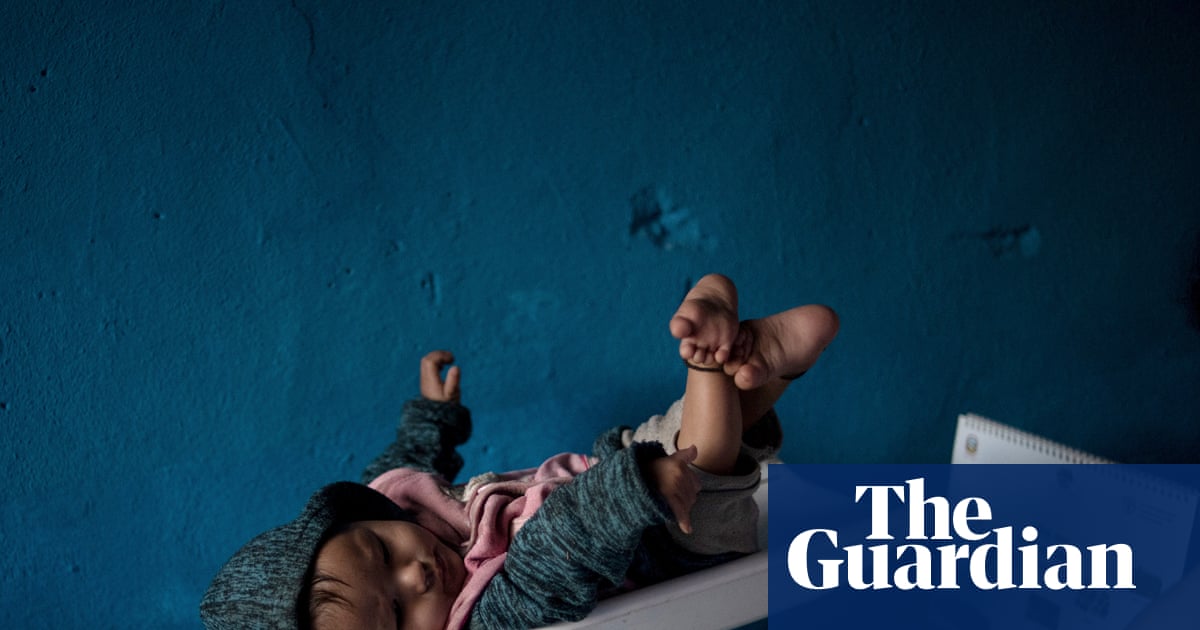
A recent government survey of over one million under-fives in Nepal revealed alarming rates of acute malnutrition, with some provinces showing wasting rates as high as 12.3%. This concerning trend emerged just over a year after USAID, a major funder, stopped its nutrition support, leading to fears that hard-won gains in child survival are now at risk.
Imagine kids in Nepal were getting healthier and stronger, like plants getting enough sun and water. But then, a big helper called USAID stopped sending money for special food and health visits. Now, a lot of these kids aren't getting enough good food, making them too thin and sick, like plants wilting. This means all the good progress they made is now in danger, and many more children could get very ill.
Analysis
The Alarming Reversal of Progress
Nepal, once a beacon of success in reducing child mortality, is now facing a severe setback in its fight against malnutrition. A comprehensive government screening program, surveying over one million children aged six months to five years, revealed that 7.8% suffer from wasting and 1.6% from severe wasting, with 17.4% classified as underweight. These figures are particularly stark in Madhesh province, where wasting rates hit 12.3% and underweight children accounted for 24.2%, far exceeding the World Health Organization's 10% threshold for "high" rates requiring immediate intervention. This alarming increase threatens to undo the remarkable 72% decline in under-five death rates achieved between 1996 and 2022, raising fears of a significant backslide in public health.
The Impact of Aid Withdrawal
The sharp rise in malnutrition rates is directly linked to the abrupt cessation of USAID funding for child nutrition programs in Nepal, which occurred just over a year prior to the survey. Organizations like Helen Keller Intl, which had secured $72 million from USAID for five years starting in 2025 to reach nearly 9 million people, saw their funding axed. This cut severely hampered community outreach efforts, such as health workers identifying children in need of treatment, despite the continued availability of Ready-to-Use Therapeutic Food (RUTF). The breakdown of these essential systems means that even when resources like RUTF exist, families are not being reached, leading to a critical gap in treatment and follow-up for malnourished children.
Broader Challenges and Future Risks
The crisis is compounded by several interconnected factors, including rising food prices, which make nutritious options like eggs unaffordable for food-insecure families. Pooja Pandey Rana, Helen Keller Intl’s country director for Nepal, emphasized that reducing malnutrition requires an integrated approach, encompassing gender equality and access to clean water, highlighting the complexity of the issue beyond just food availability. Furthermore, malnutrition now competes for limited domestic government funding with other health priorities like immunization. Unicef in Nepal reports that only about 35% of children affected by wasting currently receive treatment, indicating a severe insufficiency in supplies and a systemic failure that could lead to long-term consequences, including compromised immune systems, worse school performance, and reduced adult productivity.
Key points
- Child malnutrition in Nepal has reached "alarming" levels, with a survey finding 7.8% of under-fives suffer from wasting and 17.4% are underweight.
- The increase in malnutrition rates follows the cessation of USAID funding for child nutrition programs in Nepal just over a year ago.
- Nepal had previously achieved a 72% reduction in under-five death rates between 1996 and 2022, gains now feared to be backsliding.
- The lack of aid has led to a breakdown in community outreach, preventing children from accessing available Ready-to-Use Therapeutic Food (RUTF).
- Rising food prices and competition for domestic health funding further complicate efforts to combat malnutrition, with only 35% of affected children currently receiving treatment.
Despite the significant aid cuts, Helen Keller Intl has managed to secure nearly $5 million from other donors, allowing them to continue reaching 223,000 people in nine districts. This partial replacement of funding, though insufficient, demonstrates that alternative support channels can be established, offering a glimmer of hope for some continued intervention.
The cessation of USAID funding risks reversing decades of progress in child mortality reduction, potentially leading to a 12-fold increased risk of death for malnourished children. The breakdown of community outreach systems means many children in need are not receiving treatment, and rising food prices further exacerbate the crisis, threatening long-term health and developmental outcomes for a generation.

