China accuses US of power abuse with expanded blacklist of Chinese firms
Beijing blasted Washington for expanding a Pentagon blacklist of Chinese firms to 188 entities, calling it an abuse of national security claims.
Intelligence analysis by GPT-5.4 Mini
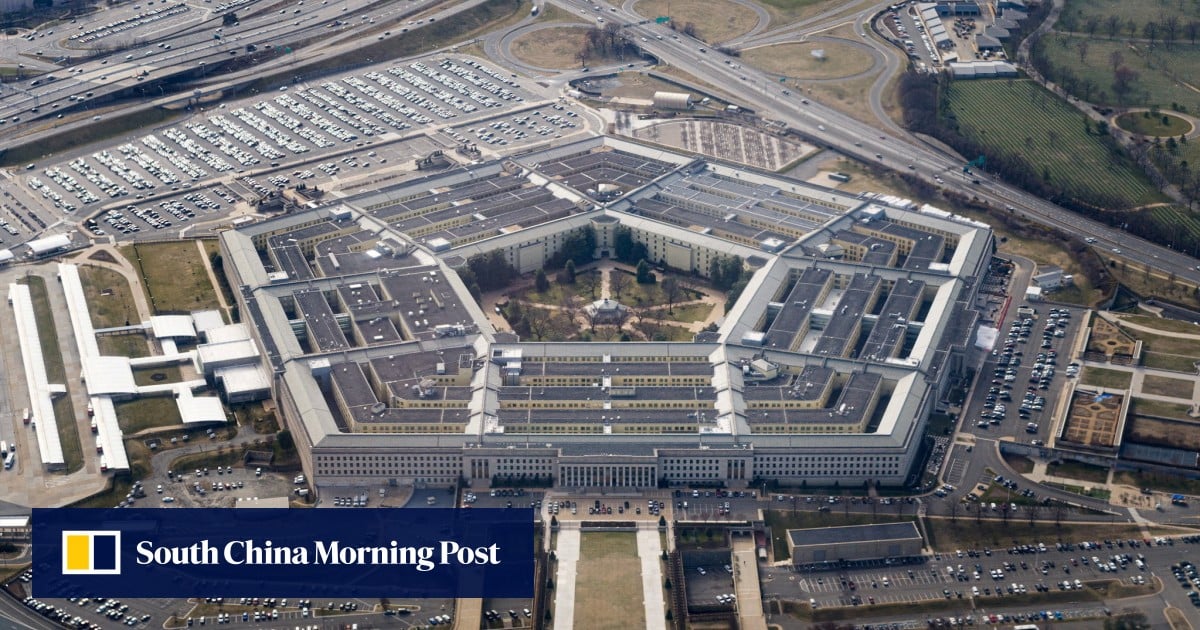
China’s commerce ministry says the US is stretching national security to suppress Chinese companies after the Pentagon widened its Section 1260H blacklist. The move has deepened friction over trade, technology and supply chains.
The US put more Chinese companies on a warning list, and China says that is like using a big rulebook to push its firms around. It is a fight over who gets to do business safely, a bit like one team saying the other side keeps changing the game rules.
Analysis
What happened
China’s Ministry of Commerce said the US had “continuously overstretched” national security and used state power to unfairly suppress Chinese firms. The criticism followed the Pentagon’s updated Section 1260H list, which grew to 188 entities from 134 last year.
What the US list means
The Defence Department says the list covers entities it considers “Chinese military companies” operating directly or indirectly in the United States. According to the article, the roster includes many major Chinese technology and industrial groups, including companies such as Alibaba, BYD and Baidu.
Beijing’s response
Beijing argued that the move harms the international economic and trade order and threatens global industrial and supply chain stability. It also said the action infringes on the legitimate rights and interests of Chinese enterprises.
Wider context
The article places the step in the middle of still-tense US-China relations. It notes that the decision came only weeks after Donald Trump visited China for talks with Xi Jinping, underscoring how quickly trade and security disputes can reassert themselves even after high-level diplomacy.
The article does not describe specific Chinese countermeasures, but it clearly signals that Beijing views the blacklist as part of a broader containment effort rather than a narrow security action.
Key points
- China accused the US of abusing national security claims to curb Chinese companies.
- The Pentagon expanded its Section 1260H blacklist to 188 entities from 134 last year.
- Beijing said the move harms global trade order and supply-chain stability.
- The article links the escalation to continuing US-China tensions despite recent high-level talks.
If tensions do not escalate further, the dispute could still remain a contained policy fight rather than turning into wider trade or supply-chain disruptions. Clearer rules around the blacklist may also help companies understand the risks they face.
If the blacklist keeps expanding, more Chinese firms could face pressure in overseas business and financing. The row could also deepen mistrust and make already fragile US-China commercial ties even harder to manage.