China clears Brazilian beef of foot-and-mouth disease, but quota limits profits
China has recognised all of Brazil as free of foot-and-mouth disease, easing a long-standing barrier to beef imports. But a quota in place since January will still limit how much Brazilian beef can benefit.
Intelligence analysis by GPT-5.4 Mini
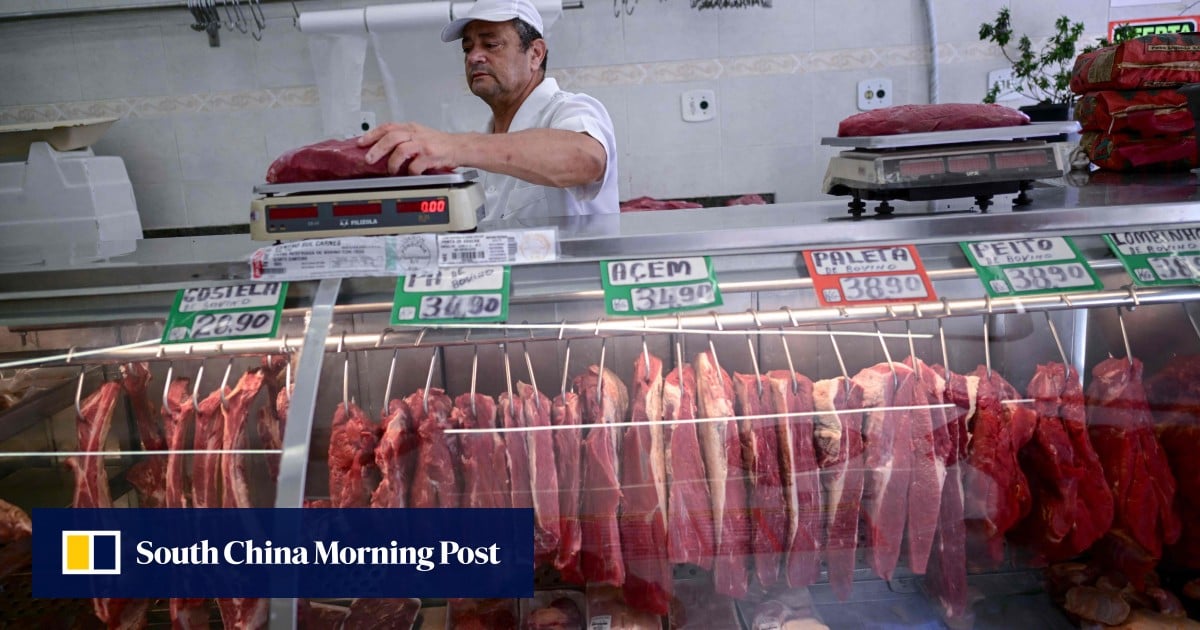
China’s customs and agriculture authorities have lifted a sanitary restriction that had limited Brazilian beef access since earlier Chinese decisions in 2002, 2005 and 2009. The move opens the whole country to the Chinese market, but an import quota already in force means sales and profits will not rise without limits.
China opened its beef door to all of Brazil after checking the country’s animal disease status, like letting a whole neighborhood into a store instead of just a few houses. But there is still a shopping limit at the door, so Brazil cannot sell as much beef as it wants.
Analysis
What changed
China’s General Administration of Customs and the Ministry of Agriculture and Rural Affairs said Brazil now qualifies as free of foot-and-mouth disease across the whole country, after a risk analysis. The decision was announced during Brazilian Foreign Minister Mauro Vieira’s visit to Beijing and was dated May 29 before being made public on Tuesday.
This matters because it removes a long-standing sanitary barrier that had restricted Brazilian beef access to parts of China’s market. The article says the ruling overturns Chinese decisions from 2002, 2005 and 2009, when access was narrower and only some regions, including Santa Catarina and a group of other states, were treated as disease-free.
The catch
The benefit is not unlimited. The article says a new import quota, in force since January, will still cap how far Brazilian beef sales can grow. So while the regulatory recognition widens market access, it does not guarantee a big jump in revenue or volume.
The move follows a certification from the World Organisation for Animal Health, which recognised Brazil as free of foot-and-mouth disease without vaccination about a year ago after the national herd spent 12 months without immunisation. That external certification appears to have helped set the stage for China’s decision.
For Brazil, the headline is improved access to the world’s largest beef market. For China, it is a sign that sanitary rules are being updated after a new risk assessment. The immediate commercial effect, however, is likely to be tempered by the quota, which the article says limits the size of the opportunity.
Key points
- China now recognises the whole of Brazil as free of foot-and-mouth disease.
- The decision was announced by China’s customs and agriculture authorities during a Brazilian minister’s visit to Beijing.
- It overturns earlier Chinese decisions from 2002, 2005 and 2009 that had narrower regional recognition.
- A quota introduced in January still limits how much Brazilian beef can grow in China.
- Brazil had already been certified by the World Organisation for Animal Health as disease-free without vaccination.
If the new recognition holds, Brazil could sell beef more widely into China because the whole country is now cleared on sanitary grounds. That could strengthen trade ties and give Brazilian exporters a bigger foothold in the world’s largest beef market.
The quota means the market opening may not translate into much extra business right away. Even with the disease barrier removed, Brazilian sales can still be constrained by limits that keep volumes and profits from expanding freely.