China plans compute futures in Shanghai as AI computing demand surges
Shanghai plans to prepare compute futures as AI demand lifts interest in digital infrastructure and hedging tools.
Intelligence analysis by GPT-5.4 Mini
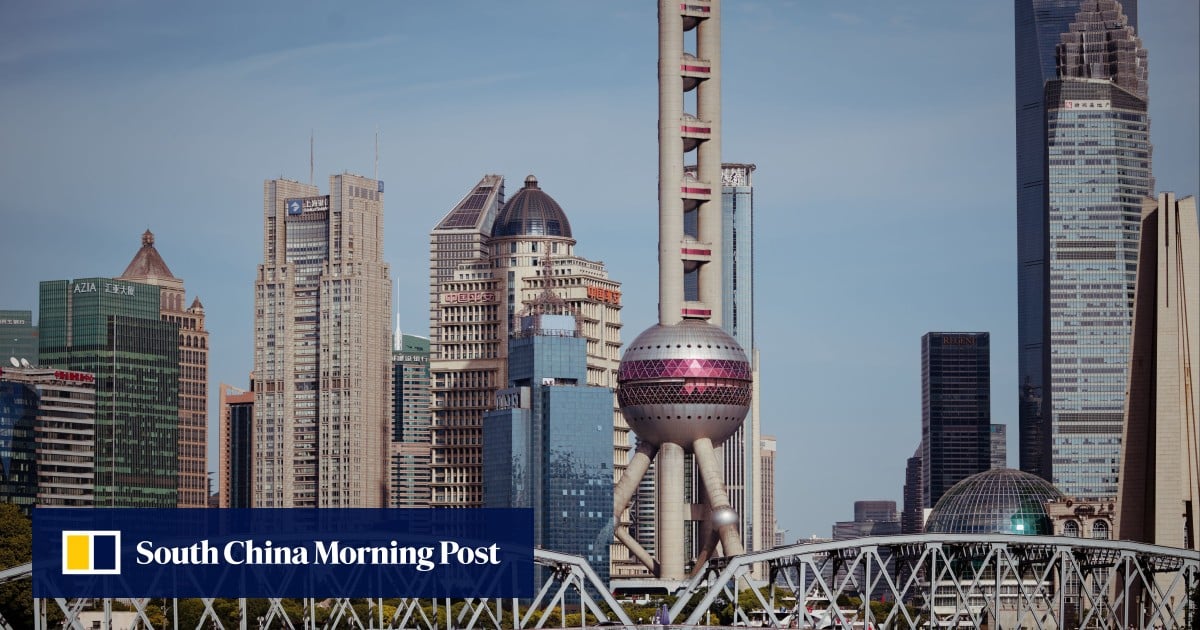
Shanghai’s government has explicitly floated compute futures for the first time, tying the city’s financial ambitions to rising AI computing demand. The move follows a similar plan from CME Group and signals a broader effort to build new derivatives around digital infrastructure.
Shanghai wants to create a kind of bet for computer power, like a price-locking ticket. If computer power gets more expensive or harder to get, people who need it could use these contracts to protect themselves from surprise costs.
Analysis
What Shanghai is proposing
Shanghai’s municipal government said it will make preparations for research and development of “electricity futures and compute futures” as part of wider plans to develop new financial products. The document did not give a timeline, but it is the first time Shanghai authorities have explicitly mentioned compute futures in an official policy text.
Why compute futures matter
The idea is to create a derivative that lets market participants hedge against price swings in computing power, similar to how futures markets help manage risk in commodities. According to the article, the intended users would include traders, financial institutions, AI developers, and cloud service providers.
The broader context
The announcement comes only weeks after CME Group said it would launch the world’s first compute futures this year. Intercontinental Exchange is also said to be considering similar contracts. That puts Shanghai in a race to define how financial markets might price demand for the infrastructure behind AI.
What this says about China’s priorities
Shanghai’s government framed the move as part of building the city into a global wealth management hub and developing more new futures contracts “in line with the growth of new productive forces.” The policy language shows that Chinese officials are linking financial innovation with strategic sectors such as AI and digital infrastructure, rather than treating them as separate tracks.
Key points
- Shanghai’s government said it will prepare for research and development of compute futures.
- This is the first time Shanghai authorities have explicitly mentioned compute futures in an official document.
- The policy is tied to efforts to make Shanghai a global wealth management hub.
- CME Group recently said it will launch the world’s first compute futures this year.
- The contracts are meant to help traders, AI developers, and cloud providers hedge pricing risk.
If the plan advances, Shanghai could become a major center for pricing and trading AI-related infrastructure risk. That could give companies a way to plan costs more steadily as demand for computing power keeps changing. It could also help the city attract more capital into high-tech sectors, which is the policy direction the local government is signaling.
The government gave no timeline, so the plan may stay at the research stage for a long time. If the market is too thin or the product is poorly designed, the contract may not gain enough users to matter. There is also a competitive risk: CME is already moving first, which could leave Shanghai trying to catch up rather than setting the standard.