China Proposes Amendment to National Traffic Law to Address Autonomous Driving
China is proposing an amendment to its national traffic law to address autonomous driving, distinguishing between autonomous vehicles and driver-assistance functions and allocating responsibility in case of traffic violations.
Intelligence analysis by Qwen 2.5 (3B)
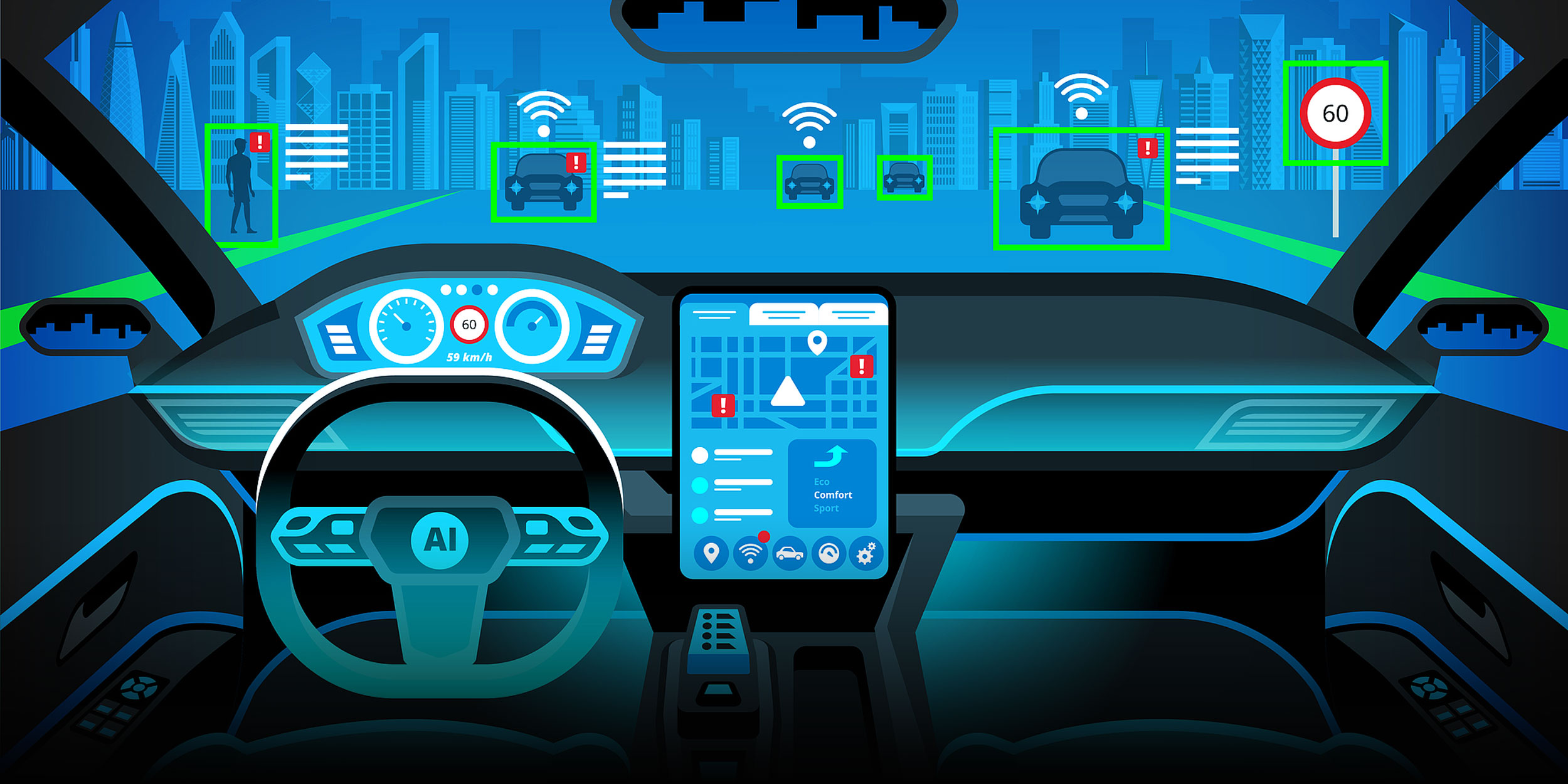
China is updating its national traffic law to include provisions for autonomous driving, clarifying responsibilities and insurance liability in accidents involving self-driving vehicles.
China is making new rules to help cars drive themselves safely. They're saying who is responsible if something goes wrong, like if a car crashes. They're also making sure drivers know if a car is really driving itself or just helping.
Analysis
{"
Legal Framework for Autonomous Driving":"> The proposed amendment introduces a legal framework for autonomous vehicles, distinguishing them from cars with driver-assistance functions. Autonomous vehicles can perform all driving tasks without a driver, while driver-assistance functions only provide help during select maneuvers.","#
Responsibility in Case of Violations":"> In the event of a violation, the manufacturer or importer is legally responsible for autonomous vehicles, while driver-assistance functions are treated as conventional vehicles. The amendment considers whether autonomous driving functions were active at the time of an accident.","#
Insurance Liability":"> The amendment proposes that autonomous vehicles be subject to China's compulsory motor vehicle traffic accident liability insurance system, encouraging manufacturers, importers, and owners to purchase commercial insurance. It also requires manufacturers and importers to clearly define self-driving and driver-assistance functions."}
Key points
- China is updating its national traffic law to include provisions for autonomous driving.
- The amendment distinguishes between autonomous vehicles and cars with driver-assistance functions.
- The amendment proposes that autonomous vehicles be subject to China's compulsory motor vehicle traffic accident liability insurance system.
This amendment could improve safety by clearly defining who is responsible in accidents involving self-driving cars, and by encouraging the use of insurance to cover damages.
However, the amendment does not fully address civil compensation, product liability, or criminal liability, and there are concerns about the potential for tampering with autonomous driving systems.