China rejects OECD report on industrial subsidies as ‘one-sided’ amid EU trade tensions
China dismissed an OECD report saying its firms get far more subsidies than peers, calling the methodology flawed.
Intelligence analysis by GPT-5.4 Mini
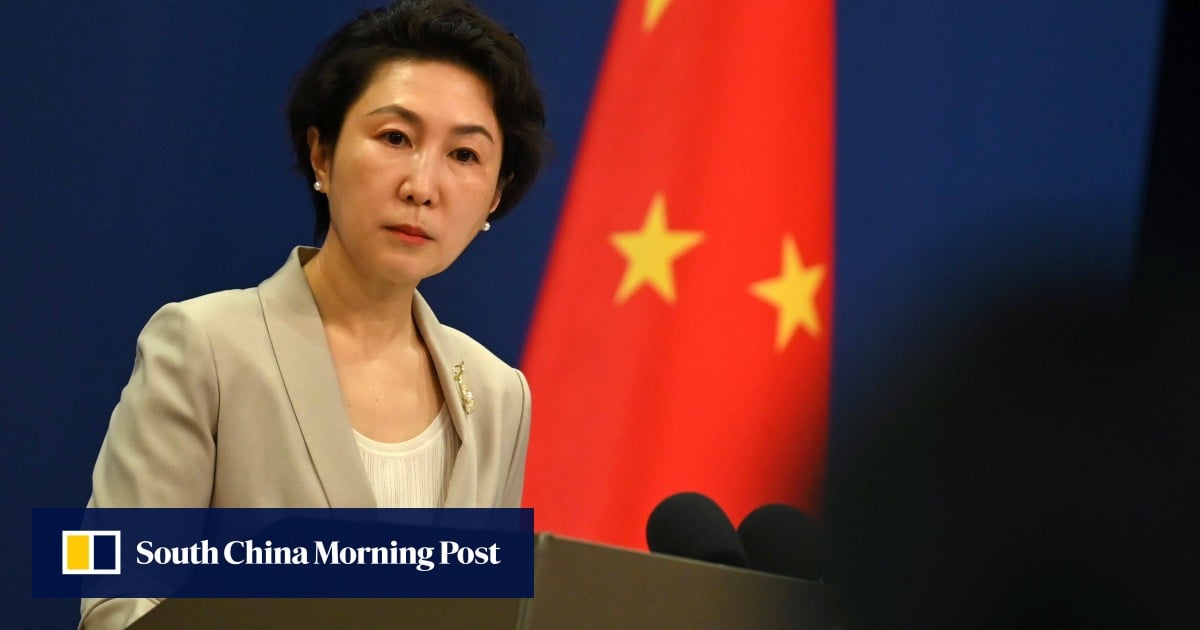
Beijing pushed back against an OECD study that linked Chinese firms' overseas gains to heavy state support. The dispute lands as EU scrutiny of China's industrial policy is tightening and trade tensions are rising.
Two adults are arguing over a race. One side says China got extra help from the government, while China says its companies won because they built faster, cheaper, and better. The argument matters because it could change how other countries treat Chinese goods.
Analysis
What Beijing is disputing
China's Ministry of Commerce rejected an OECD report published on Monday that said Chinese firms receive much larger subsidies than global peers. The ministry called the study “one-sided and arbitrary” and argued that the OECD did not use a unified definition or statistical framework for subsidies.
According to the ministry, the report also overstates the role of state support by treating China's rising global market share as if it came only from subsidies. Beijing says the report ignores other drivers, including scale, production efficiency and technology upgrades.
What the OECD said
The OECD report said Chinese companies received three to eight times more government subsidies than competitors abroad. It also said state support accounted for nearly 60 per cent of their gains in overseas market share in recent years. Using the OECD's database of manufacturing groups and industrial corporations, it singled out solar panels, semiconductors, aluminium, steel and shipbuilding as the five biggest subsidy recipients among 15 sectors tracked.
Why the timing matters
The row comes as EU concerns about China's industrial policy are intensifying. The story says trade frictions between China and the European Union have worsened in recent weeks after the European Commission adopted a tougher approach to imbalances and Beijing vowed to retaliate. That makes the subsidy debate more than a technical argument: it is now part of a wider political and trade fight over strategic industries.
Key points
- China rejected an OECD report that said its firms receive much higher subsidies than international peers.
- The Ministry of Commerce said the report used a flawed and inconsistent definition of subsidies.
- The OECD said Chinese firms got three to eight times more government support and cited several heavy-industry sectors.
- The dispute comes as EU concerns about China's industrial policy are rising and trade tensions are worsening.
If Beijing's response convinces trading partners that the OECD measure is incomplete, there may be more room for talks instead of immediate trade punishment. A clearer debate over definitions could also make future subsidy discussions more precise.
If EU officials accept the OECD findings as proof of unfair support, pressure for tougher trade action could increase. That could deepen tensions in sectors already under strain, including solar panels, semiconductors, steel and shipbuilding.