China says US ‘invented’ terrorism charges to justify Cuba blockade
China accused Washington of inventing terrorism allegations to defend its Cuba sanctions. Beijing called on the US to end its blockade and pressure.
Intelligence analysis by GPT-5.4 Mini
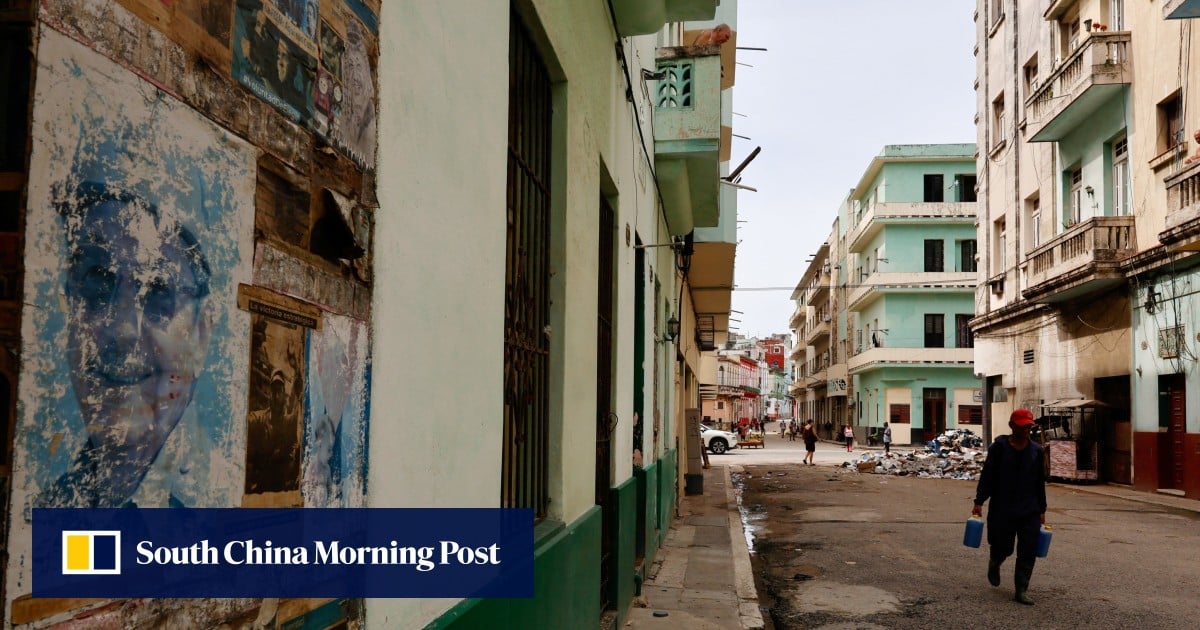
The article captures a fresh China-US clash over Cuba. Beijing rejected US claims linking Cuba to terrorism, said the embargo has damaged Cuba’s economy, and urged Washington to end sanctions and coercive pressure.
China is arguing with the US about Cuba. Beijing says Washington is making up scary claims to keep punishing Cuba, like blaming a house for being broken after locking the doors for years.
Analysis
What happened
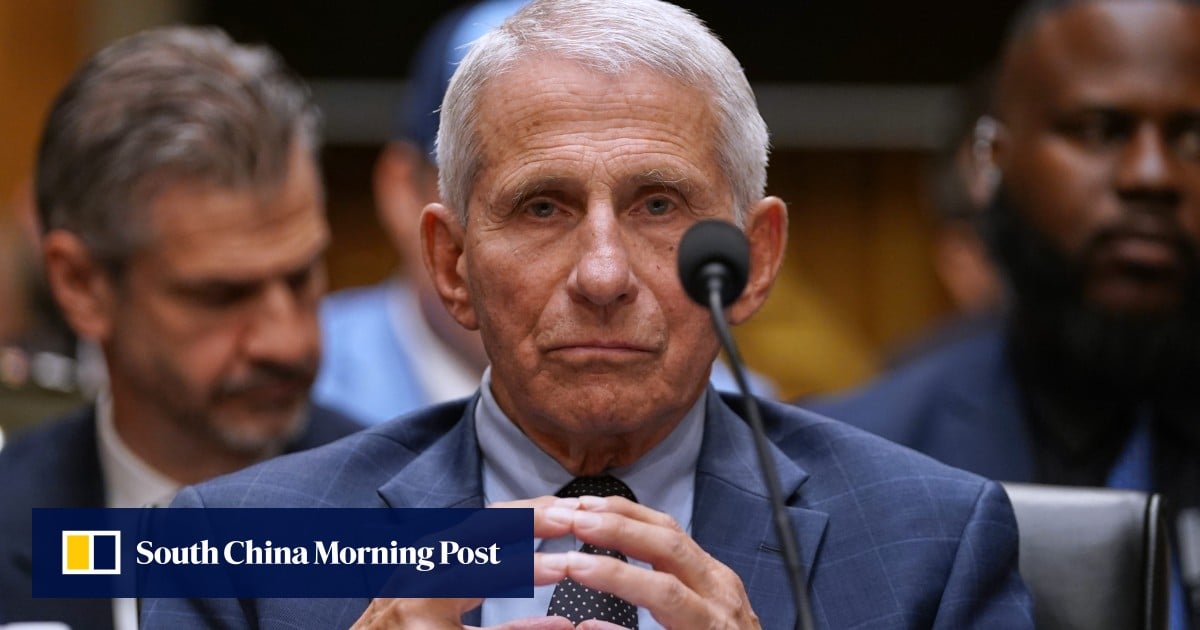
China’s foreign ministry pushed back after US Secretary of State Marco Rubio told senators that he did not need new evidence to connect Cuba to violent leftist groups across the Western Hemisphere. Beijing said the US was relying on “invented allegations” to defend a long-running sanctions policy against Havana.
China’s response
Foreign ministry spokeswoman Mao Ning said Washington could not justify the blockade and sanctions, and argued that the embargo has harmed Cuba’s economy over decades. She said China supports Cuba’s sovereignty and security and wants the US to stop what she called blockade, sanctions, coercion and pressure.
US position in the article
The article also notes comments from President Donald Trump, who said the US wanted Cuba to become a country that could feed its people. He was asked whether sanctions were meant to speed up economic collapse, but the piece does not provide a direct policy shift beyond his remarks.
Wider significance
The exchange adds to a familiar pattern: China defending countries targeted by US sanctions while criticizing American pressure campaigns. In this case, the dispute is not about trade or technology, but about Cuba’s status and the legitimacy of US restrictions. The article suggests Beijing sees the sanctions as both harmful and politically motivated, while Washington is portraying Cuba through a security lens.
Key points
- China rejected US terrorism allegations against Cuba as unjustified.
- Beijing said the US blockade and sanctions have damaged Cuba’s economy.
- Mao Ning urged Washington to end blockade, sanctions, coercion and pressure.
- The article follows Marco Rubio’s Senate testimony and Trump’s remarks on Cuba.
If Washington softens its approach, the pressure on Cuba could ease and the island’s economy could get some relief. China’s support for Cuba could also help keep diplomatic attention on ending the sanctions.
If neither side shifts, the dispute will likely stay stuck in accusation and counteraccusation. Cuba would remain under heavy pressure, and the clash could deepen broader China-US tensions.