China to the Philippines: don’t let ‘a few clowns’ sabotage ties with ‘political theatre’
Beijing blasted Philippine defence chief Gilberto Teodoro Jnr over remarks on China, saying they damaged trust. China urged Manila not to let a few people derail ties through political theatrics.
Intelligence analysis by GPT-5.4 Mini
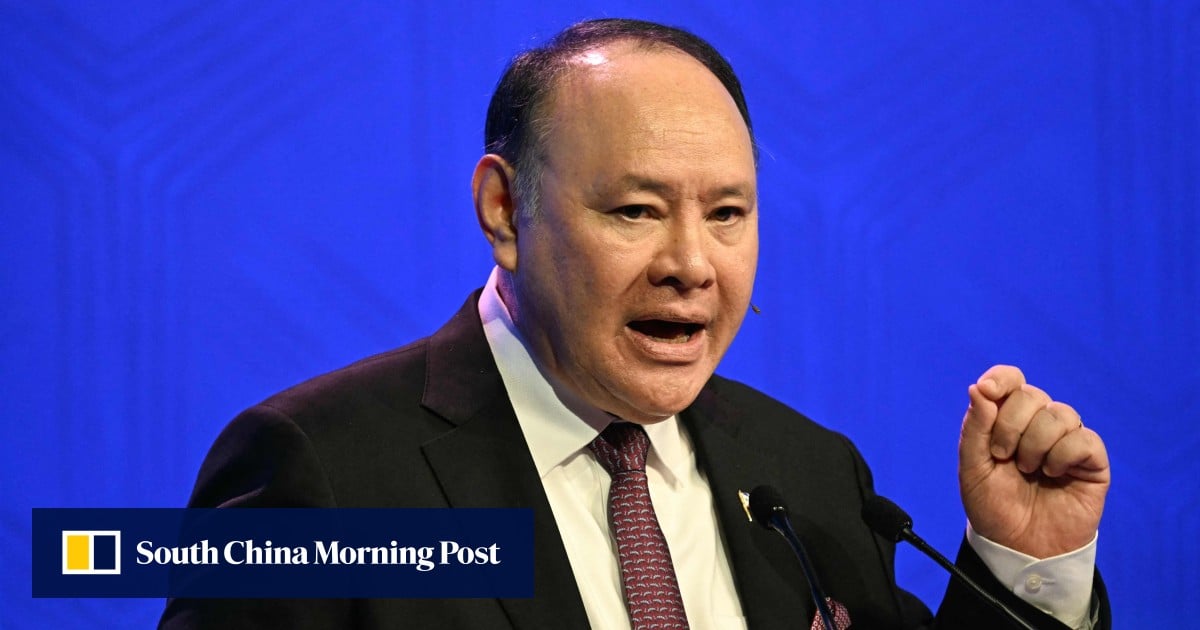
China’s foreign ministry sharpened its criticism of Philippine defence chief Gilberto Teodoro Jnr, accusing him of harming bilateral trust with repeated anti-China remarks. The dispute adds to already strained ties between Beijing and Manila.
China and the Philippines are arguing again. China says one Philippine leader is making things worse with loud words, while the Philippines says China is still a big threat. It is like two neighbours who cannot stop blaming each other, even when one of them offers help.
Analysis
What happened
China’s foreign ministry condemned Philippine defence chief Gilberto Teodoro Jnr after he said the Philippines remained under “severe threat” from China, both territorially and politically. A Chinese spokesperson said Teodoro had made wrong comments about China several times and argued that his remarks had seriously damaged bilateral trust.
The diplomatic message
Beijing also pushed back against Teodoro’s suggestion that China had not shown genuine good faith, despite reports that Beijing had offered fertiliser and fuel to the Philippines during shortages linked to the US-Israel war on Iran. China framed its aid as something Manila should recognise rather than dismiss, and the foreign ministry accused Teodoro of showing a lack of gratitude.
What this signals
The language from Beijing was unusually sharp, with officials telling Manila not to let “a few clowns” sabotage relations through repeated political theatrics. That framing suggests China sees the dispute as being driven less by policy differences alone and more by public messaging that it views as deliberately provocative.
For readers tracking China, the important point is that the relationship with the Philippines is still being managed through confrontation as much as diplomacy. Even when practical issues like fuel and fertiliser shortages enter the picture, both sides are still using public statements to blame the other for worsening trust. That leaves little room for a quick reset unless the rhetoric softens.
Key points
- China’s foreign ministry condemned Philippine defence chief Gilberto Teodoro Jnr’s comments on China.
- Beijing said the remarks seriously damaged bilateral trust and showed a lack of gratitude for Chinese aid.
- Teodoro said the Philippines faced a severe threat from China and questioned Beijing’s good faith.
- China urged Manila not to let a few people sabotage ties through political theatrics.
- The episode shows that China-Philippines relations remain tense and highly sensitive to public statements.
If both sides cool the language, the dispute could stop getting worse and leave room for more practical contact. China’s mention of aid also suggests there is still a channel for limited cooperation if the rhetoric eases.
If the public sparring continues, mistrust between Beijing and Manila is likely to deepen further. That could make it harder to handle disputes or accept any future offers of assistance without suspicion.