China ‘warmest library’ welcomes homeless, honours late regular with statue
Hangzhou Library in China is known as "the warmest library" for welcoming homeless individuals and scavengers since 2008, offering free access. It honors a late regular, Wei Sihao, who deeply respected books, with a statue, showcasing its inclusive policy.
Intelligence analysis by Gemini 2.5 Flash
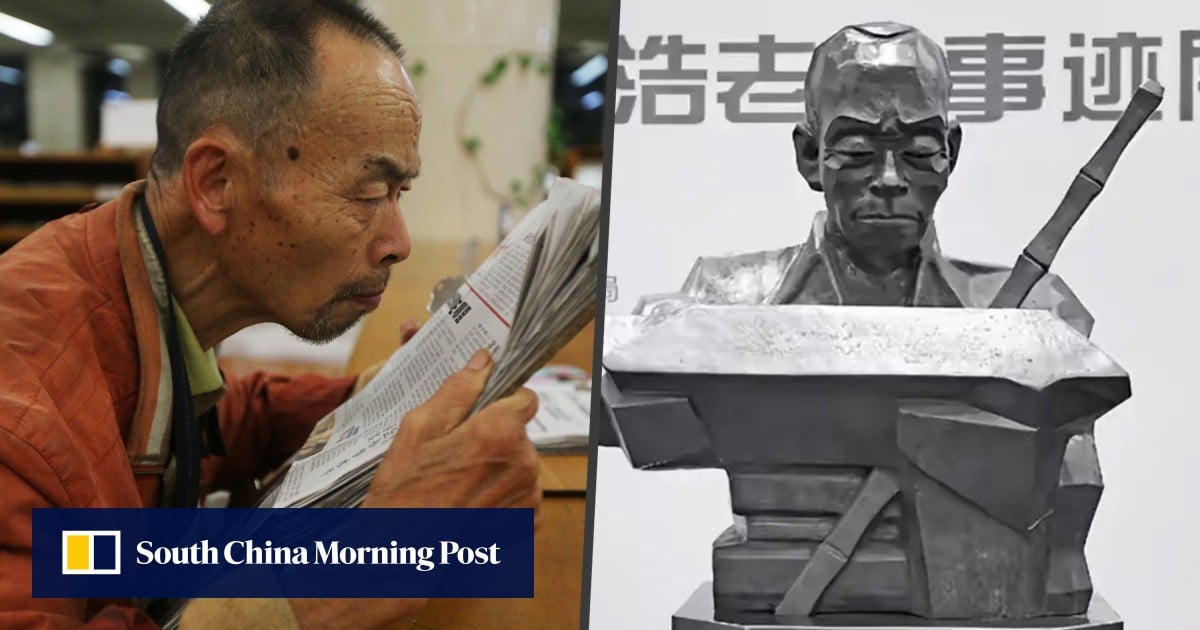
Hangzhou Library in China is dubbed "the warmest library" for its inclusive 2008 policy, welcoming all, including homeless individuals and scavengers, without a library card. This progressive stance, defended by its director, fostered a unique community. It now honors a late regular, Wei Sihao, with a statue, recognizing his deep love for books.
Imagine a super friendly library in China that welcomes everyone, even people without homes, without needing a special card. One man, Wei, loved reading history there and always washed his hands before touching books, showing great respect. Now, they've made a statue of him so everyone remembers how important it is for libraries to be kind and open to all.
Analysis
A Beacon of Inclusivity
Hangzhou Library's decision in 2008 to open its doors to everyone, regardless of social standing or ability to pay, marked a significant departure from conventional library policies. By offering free access without requiring a library card, it established itself as a truly public space, embodying the principle that knowledge should be accessible to all. This move was not without its critics, as evidenced by a reader's concern about the presence of beggars and scavengers, but the director's firm stance underscored the library's commitment to its inclusive mission.
The Legacy of Wei Sihao
Among the library's most dedicated patrons was Wei Sihao, a scavenger whose profound love for history and politics deeply resonated with the staff. His ritual of solemnly washing his hands before touching a book symbolized his immense respect for literature, a detail that left a lasting impression on librarians. Wei's story, and his consistent presence, transformed him from a marginalized individual into a cherished member of the library community, ultimately leading to the proposal and creation of a statue in his honor. This tribute serves as a powerful reminder of the human desire for knowledge and dignity, irrespective of one's circumstances.
Challenging Social Norms
The Hangzhou Library's policy directly confronts societal prejudices against the homeless and impoverished, offering them a sanctuary for learning and personal growth. By actively welcoming individuals often shunned by public spaces, the library not only provides practical access to resources but also sends a strong message about human equality and the universal right to intellectual enrichment. This initiative sets a precedent for other institutions, demonstrating that compassion and inclusivity can transform public spaces into true community hubs, fostering a sense of belonging and respect for all citizens. The library's actions highlight a progressive social consciousness within China, emphasizing the importance of empathy in public service.
Key points
- Hangzhou Library in China is known as "the warmest library" for its inclusive policy.
- Since 2008, it has welcomed beggars and scavengers, offering free access without a library card.
- The director, Chu Shuqing, famously defended the policy, stating "I have no right to reject them."
- A late regular scavenger, Wei Sihao, who loved reading history and politics, is honored with a statue.
- Wei Sihao was known for solemnly washing his hands before reading, showing deep respect for books.
This initiative could inspire other public institutions in China and globally to adopt more inclusive policies, fostering greater social equity and access to resources for marginalized populations. It demonstrates the potential for libraries to serve as vital community hubs that uplift and dignify all individuals, regardless of their socioeconomic status.