China’s anti-corruption watchdog targets its former senior official Li Xiaohong
China’s top anti-graft body is investigating former senior discipline official Li Xiaohong, nine years after his retirement. The case highlights Beijing’s push to punish corruption inside its own oversight and finance systems.
Intelligence analysis by GPT-5.4 Mini
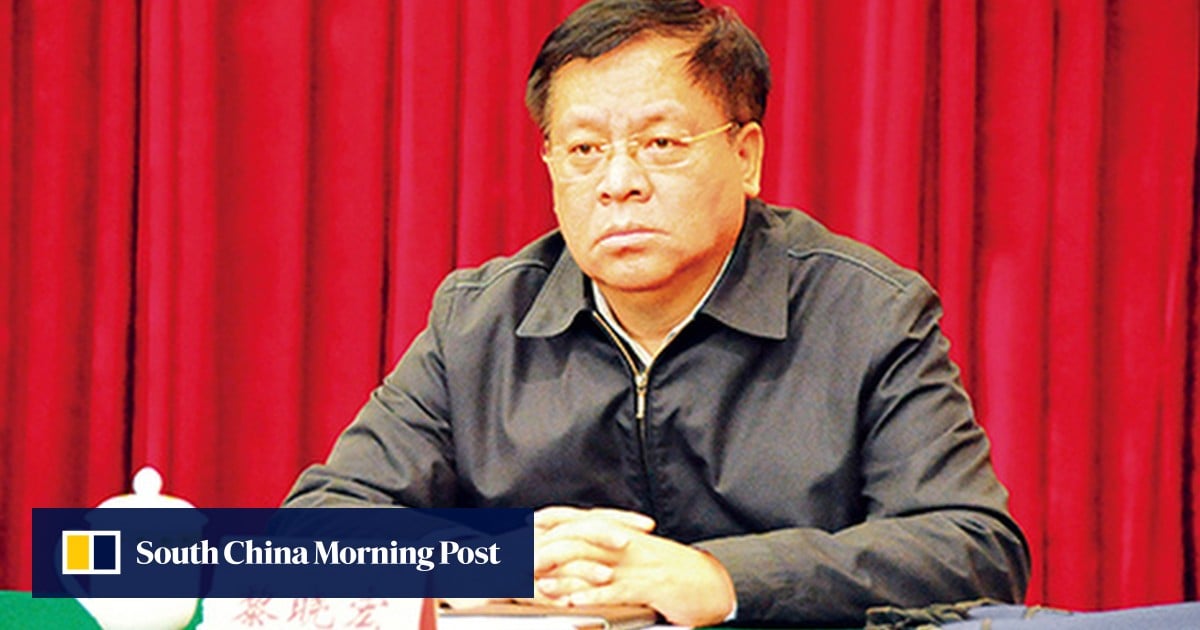
Li Xiaohong, 73, a former senior disciplinary official and securities regulator, has been placed under investigation for suspected serious discipline and law violations. His case stands out because it reaches into the ranks of the people who once enforced China’s anti-corruption rules.
China’s top rule-checkers are investigating one of their own former bosses for possible wrongdoing. It is like the school hall monitor being accused of breaking the same rules he once enforced.
Analysis
What happened
China’s Central Commission for Discipline Inspection said Li Xiaohong is under disciplinary review and supervisory investigation for suspected “serious violations of discipline and law,” a standard phrase used in corruption cases. Li is 73 and retired nine years ago from the CCDI, making the move notable because it targets a former senior official from inside the anti-graft system itself.
Why Li stands out
Li spent much of his career in two sensitive areas: discipline inspection and finance. The article says he held senior roles at the former Huaxia Securities, later China Securities, and also served as a director at Citic Securities. He later moved into the Beijing municipal government in 2006, working under then-mayor Wang Qishan.
That background matters because it links him to the two sectors most associated with political trust and enforcement in China: the discipline apparatus and the financial industry. The article says his downfall is likely to send shock waves through both sectors.
The broader signal
The article frames the investigation as part of Beijing’s continuing effort to go after corruption among senior disciplinary enforcers and financial leaders. That makes the case politically significant even though the published details are limited. It shows that retirement does not necessarily end risk for former top officials if the anti-corruption authorities decide to reopen their record.
Key points
- Li Xiaohong, a former senior CCDI official, is under investigation for suspected serious discipline and law violations.
- The case is notable because it targets someone who once worked inside China’s anti-corruption apparatus.
- Li also held senior posts in the securities industry, including roles at Huaxia Securities, China Securities, and Citic Securities.
- He later worked in the Beijing government under then-mayor Wang Qishan.
- The article says the case may reverberate across both China’s financial sector and its discipline inspection system.
If the investigation is handled cleanly, it could reinforce the message that no official is beyond scrutiny, even after retirement. It may also strengthen confidence that China’s anti-corruption system still applies to powerful figures in both government and finance.
The case could deepen unease inside the financial sector and the discipline system, especially if officials see it as evidence that past service offers no protection. It may also add to uncertainty if more former regulators or finance leaders come under similar review.