China’s DeepSeek beefs up agentic AI with ‘harness’ tests as V4 model jolts Silicon Valley
Chinese AI company DeepSeek is inviting open-source developers to test its new "harness" software, designed to transform large language models into autonomous AI agents. This initiative, coupled with its cost-efficient V4 Flash model, intensifies competition in the global…
Intelligence analysis by Gemini 2.5 Flash
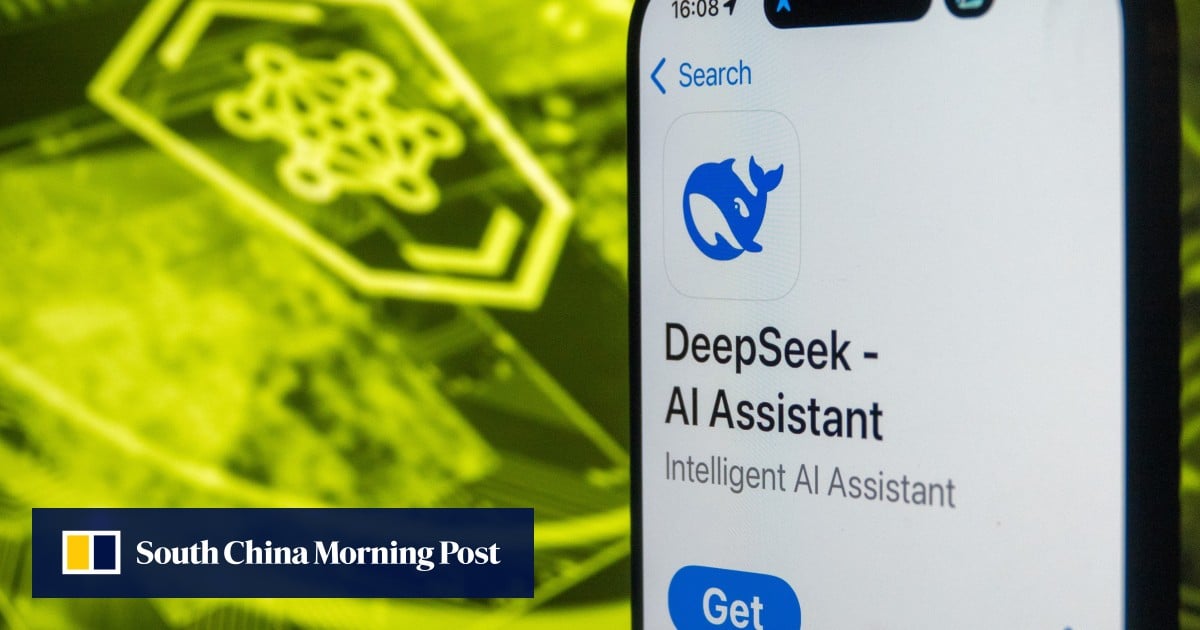
Hangzhou-based DeepSeek is accelerating its push into agentic AI by recruiting developers for beta testing of "DeepSeek Harness," a framework enabling LLMs to perform complex, multi-step tasks autonomously. This strategic move, championed by CEO Liang Wenfeng's focus on affordable yet powerful models, is sending competitive shockwaves through Silicon Valley.
Imagine a super-smart computer brain that can usually only answer questions. DeepSeek is building a special tool, like a "harness," that lets this brain not just answer but also *do* things on its own, like a helpful robot assistant that can follow many steps. They're also making these smart brains much cheaper, which is making other big computer companies pay close attention and try to catch up.
Analysis
DeepSeek's Agentic Ambitions
DeepSeek, a prominent Chinese AI firm, is making significant strides in the realm of agentic AI with the introduction of its "harness" software. This innovative framework is specifically engineered to empower large language models (LLMs) to transcend their traditional roles of merely generating text or answering queries, enabling them to function as autonomous agents. These agents will be capable of orchestrating multi-step code, reasoning through intricate workflows, and executing tasks independently, marking a pivotal shift towards more capable and self-sufficient AI systems. The company is actively recruiting open-source developers to participate in the beta testing of DeepSeek Harness, a move that underscores its commitment to collaborative development and rapid iteration in this cutting-edge field. Cui Tianyi, who leads the newly formed harness team, brings a strong background in quantitative trading and software engineering, suggesting a focus on robust and efficient system design.
The Cost-Efficiency Shockwave
DeepSeek's strategic push into agentic AI is occurring concurrently with the impact of its latest V4 Flash model, which has already sent a "cost-efficiency shock wave" through Silicon Valley. This model's ability to deliver high performance at a lower cost is a core tenet of CEO and co-founder Liang Wenfeng's strategy. Liang is doubling down on the development of cheap, yet highly capable, models as a fundamental pathway towards achieving artificial general intelligence (AGI). This approach not only positions DeepSeek as a formidable competitor in terms of technological prowess but also as a disruptor in market pricing, forcing rivals to reconsider their own cost structures and model efficiencies. The emphasis on affordability could democratize access to advanced AI capabilities, making sophisticated tools available to a broader range of developers and businesses.
Escalating the AI Agent Battleground
The development of agentic harness frameworks has emerged as a major battleground for leading artificial intelligence laboratories globally. This intensified competition follows the commercial success observed with systems like Anthropic’s Claude Code, which demonstrated the practical utility and market demand for AI agents capable of complex problem-solving. DeepSeek's entry into this arena, with its focus on open-source collaboration and cost-effective models, is set to further escalate this competition. The recruitment of specialized talent like Cui Tianyi highlights the strategic importance DeepSeek places on building robust and effective agentic capabilities. This ongoing race among AI firms to develop more autonomous and intelligent agents is crucial for the next generation of AI applications, promising to unlock new possibilities across various industries, from software development to scientific research.
Key points
- DeepSeek is launching "DeepSeek Harness" software to turn LLMs into autonomous AI agents.
- The company is recruiting open-source developers for beta testing of the harness framework.
- DeepSeek's V4 Flash model is creating a "cost-efficiency shock wave" in Silicon Valley.
- CEO Liang Wenfeng's strategy focuses on cheap, highly capable models for achieving AGI.
- The development of agentic AI is a major competitive battleground for AI labs globally.
DeepSeek's focus on cost-efficient, highly capable agentic AI could democratize access to advanced AI tools, fostering innovation across various industries and accelerating the development of truly autonomous and helpful AI systems globally. This could lead to more accessible and powerful AI solutions for a wider range of users and applications.
The rapid escalation of the AI agent race, driven by companies like DeepSeek, could lead to unforeseen complexities in managing autonomous AI, potentially raising concerns about control, safety, and ethical deployment if not carefully regulated. The intense competition might also push companies to release models prematurely, risking stability or security issues.