China’s Jingye seeks compensation from UK over British Steel takeover
Jingye has begun a formal treaty process to seek compensation from the UK over the nationalisation of British Steel. The dispute could strain UK-China ties and complicate the plant’s future.
Intelligence analysis by GPT-5.4 Mini
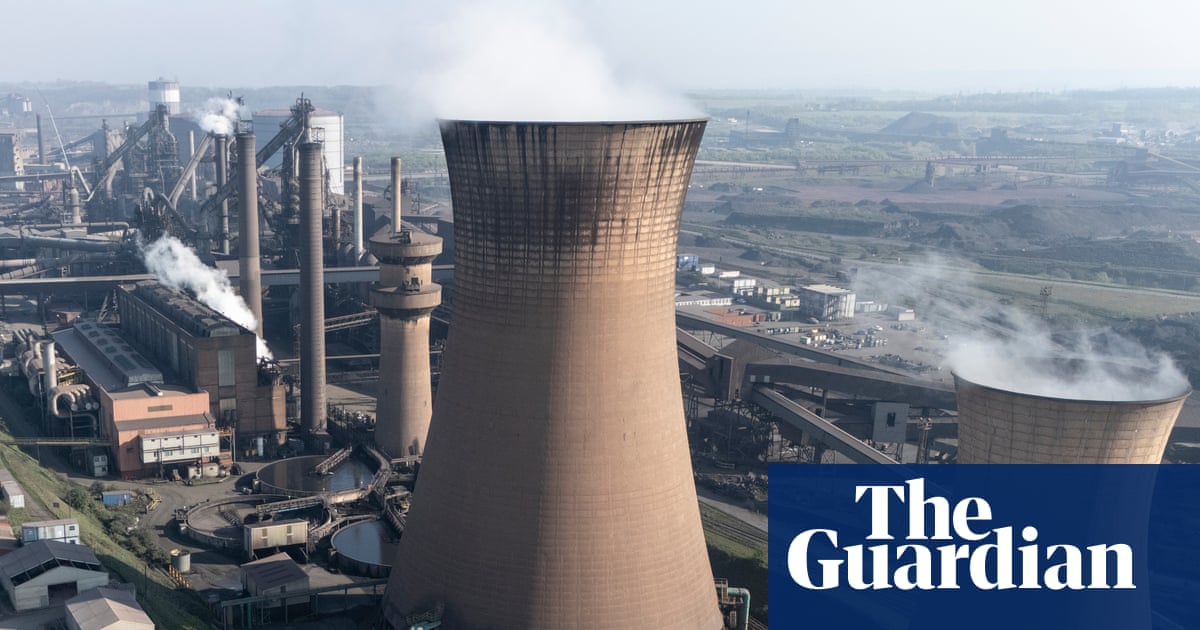
The Chinese owner of British Steel is using a UK-China investment treaty to push for compensation after the government took control of the Scunthorpe steelworks. The move gives Jingye leverage after long-running negotiations and could intensify an already sensitive bilateral dispute.
A Chinese company and the UK government are arguing over a steel factory. The company wants money after the government took control to protect jobs and keep the plant open, like two people fighting over who should pay for a shared house.
Analysis
What happened
Jingye Steel has formally started consultation procedures under the UK-China bilateral investment treaty to seek compensation from the UK government after the nationalisation of British Steel’s Scunthorpe plant. According to the article, the company says it hopes the government will protect its rights and those of other Chinese and global investors.
Why the dispute exists
The UK government stepped in last April on national security grounds, arguing that keeping steelmaking capacity at Scunthorpe mattered for the country. The article says ministers were also reacting to the risk of up to 2,700 immediate job losses. Jingye had reportedly planned to close the plant within days, which would have made reopening impossible and deepened the losses.
The money at stake
The two sides have been negotiating for more than a year. Jingye had earlier said it would try to recover as much as £711m in debts owed by British Steel, while people in the industry told the paper the company is seeking more than £1bn. If talks fail, the treaty could send the case to international arbitration after six months.
What comes next
The UK still owns the economic side of the plants for now, but the government is expected to look for a private buyer after a short period of public control. That buyer may need substantial subsidies to fund new electric arc furnaces, which are needed to decarbonise production. The article also notes that the UK plans to reduce tariff-free steel imports, which could make British Steel more attractive to buyers.
Key points
- Jingye has begun a formal compensation process under the UK-China investment treaty.
- The claim follows the UK government's nationalisation of the Scunthorpe steelworks last April.
- The article says Jingye may be seeking more than £1bn, after earlier citing £711m in debts.
- The dispute could strain UK-China relations and may go to arbitration if talks fail.
- The UK is expected to look for a private buyer, but the next owner may need major subsidies.
If the treaty talks lead to a settlement, the dispute could be resolved without a long arbitration battle. A clearer path could also help the government find a private buyer and keep the steelworks operating with new investment.
If negotiations fail, the case could move to international arbitration and deepen tensions between the UK and China. The uncertainty could also make it harder to sell British Steel or force the next owner to demand large public subsidies.