China’s Lifelike Emotional Companion Bots Go on Sale
UBTech has opened presales for its U1 humanoid, a full-size robot aimed at emotional companionship, with 3,000 units reportedly sold.
Intelligence analysis by GPT-5.4 Mini
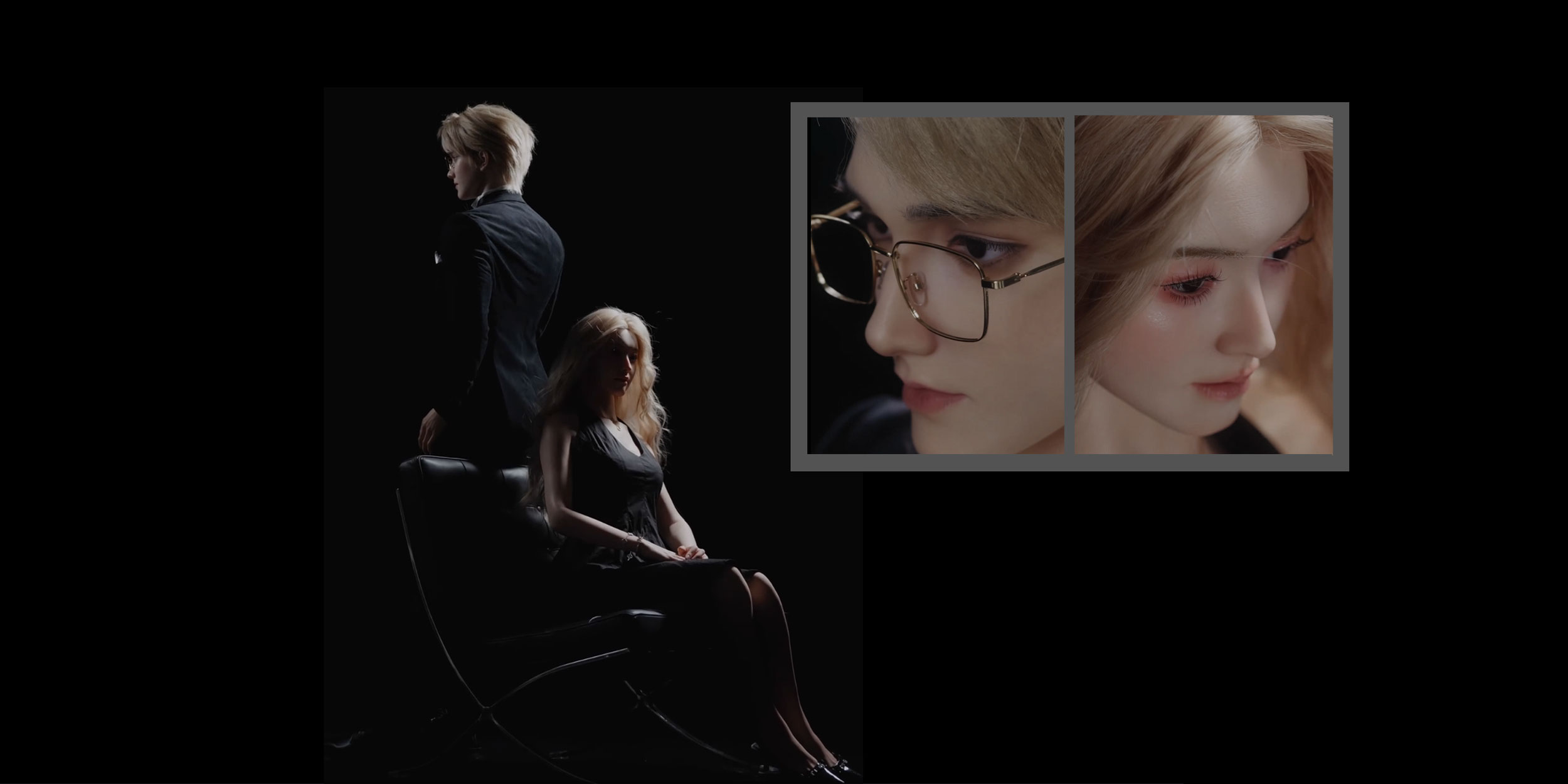
UBTech’s U1 is being sold as a companion robot with affective AI, encrypted memory and customization, signaling how China’s humanoid sector is moving from demos and prototypes toward consumer-facing products.
UBTech is selling a robot that looks like a person and is meant to be a buddy, not just a machine. It can talk, remember things, and stay around like a very fancy toy friend that can help keep someone company.
Analysis
A humanoid sold as a companion
UBTech has started presales for the U1, which it describes as the world’s “first full-size, ultra-bionic” humanoid robot built for emotional companionship. The presale period runs from June 2 to July 15, and buyers must place a refundable 3,000 yuan deposit. The official release is set for June 30, but the company has not yet announced the full retail price.
The U1 comes in two versions: a male model that is 183 centimeters tall and weighs 42 kilograms, and a female model that is 168 centimeters tall and weighs 35.2 kilograms. Both models support customization and are limited to adult buyers. UBTech says the robot includes 88 highly mobile joints, encrypted memory storage, affective AI, Wi-Fi, charging support, and a battery life of two to four hours per charge.
China’s robot market is broadening
The article places the launch inside a fast-growing domestic humanoid robotics market. Morgan Stanley estimates that sales of Chinese-made humanoid robots could more than double to about 28,000 units this year, a figure that would exceed any other economy. It also says that of the 13,000 to 16,000 humanoid robots shipped globally last year, about 90% were made by Chinese manufacturers.
UBTech founder and CEO Zhou Jian framed the product as a companion rather than a sex robot, saying the company wants a machine that stays with users, plays games, and watches TV dramas with them. Other Chinese firms are also pushing lifelike machines into public view, including EX Robots’ historical and celebrity-inspired androids and Noetix Robotics’ humanoid bust model. The article notes that robot prices have fallen sharply in recent years, from several million yuan per unit to a range that now reaches entry-level consumer pricing.
Key points
- UBTech began presales for the U1 humanoid robot on June 2, with sales running through July 15 and an official release planned for June 30.
- The robot is marketed as an emotional companion, with affective AI, encrypted memory storage, Wi-Fi, charging support, and 2 to 4 hours of battery life.
- Two versions are available, one male and one female, and both are for adult buyers only.
- The article says around 3,000 units have already been sold in presales.
- China is described as the global leader in humanoid robotics, with most of last year’s shipped units made by Chinese manufacturers.
If U1 finds buyers, it could help turn humanoid robots into a real consumer market instead of just a demo business. The launch also suggests Chinese manufacturers may keep lowering prices and improving features as they move from industrial uses into homes and public spaces.
The article suggests the company still has not disclosed the full price, and the robot’s short battery life may limit practical use. Its emotional-companion framing could also draw skepticism if customers see it as gimmicky rather than useful, especially outside early adopters.