China’s Moonshot AI aims for US$50b round as year-end Hong Kong IPO targeted: sources
Chinese AI unicorn Moonshot AI is reportedly seeking to close a new financing round at a valuation of up to US$50 billion by the end of August, with plans for a Hong Kong IPO by year-end.
Intelligence analysis by Gemini 2.5 Flash
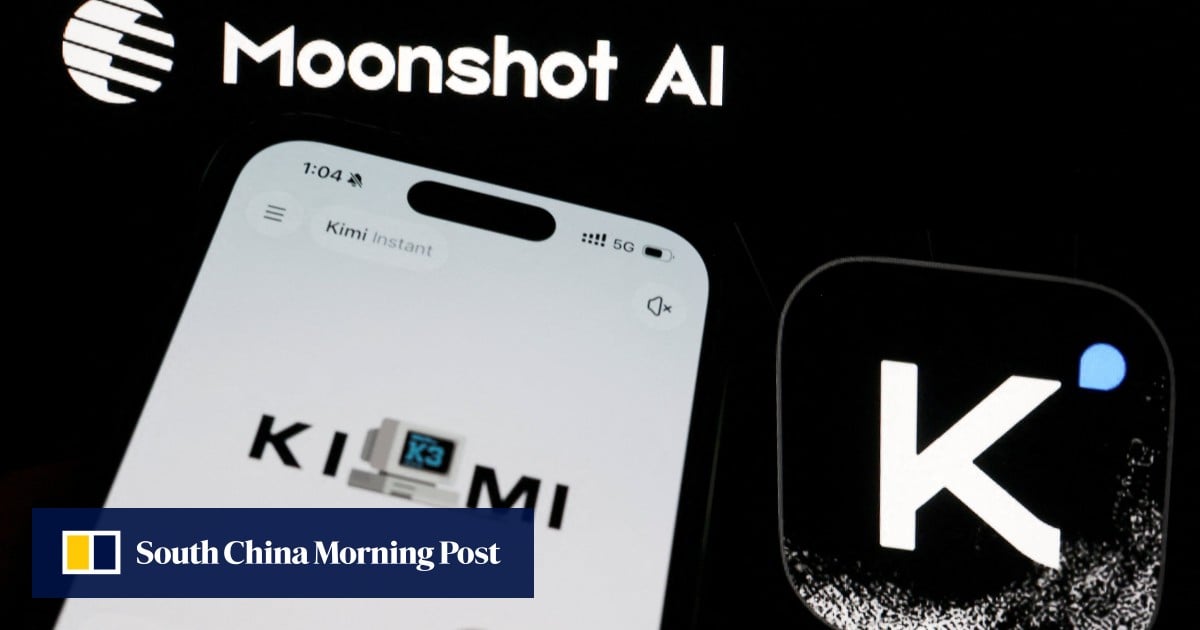
Moonshot AI, a prominent Chinese artificial intelligence firm, is rapidly increasing its valuation, aiming for a US$50 billion funding round. This surge in investor confidence follows the successful launch of its Kimi K3 AI model, which the company claims outperforms leading US systems, and is paving the way for a strategic initial public offering in Hong Kong.
Moonshot AI, a Chinese company that makes super-smart computer brains, just released a new, powerful model called Kimi K3. Because it's so good, many investors are excited, valuing the company at $50 billion! They're now planning to sell shares to the public in Hong Kong by the end of the year, like a popular toy company selling its stock for the first time.
Analysis
Rapid Ascent and Valuation Surge
Moonshot AI has experienced an extraordinary surge in its valuation, reportedly jumping from approximately US$30 billion to an ambitious US$50 billion within a mere month. This rapid appreciation underscores the fervent investor appetite for generative AI technologies, particularly within China's burgeoning tech ecosystem. The catalyst for this dramatic increase is attributed to the mid-July release of Moonshot AI's latest flagship model, Kimi K3. According to the company, this open-weights model has demonstrated capabilities that surpass those of leading US systems developed by prominent firms like Anthropic and OpenAI in certain areas, significantly bolstering Moonshot's standing in a highly competitive domestic market.
Strategic IPO in Hong Kong
The company is actively dismantling its offshore corporate structure, a strategic maneuver often undertaken by Chinese enterprises in preparation for listing on domestic or Hong Kong stock exchanges. By targeting a Hong Kong initial public offering (IPO) as early as the end of the year, Moonshot AI is signaling a clear intent to tap into local capital markets. This move could be influenced by a desire to navigate complex geopolitical dynamics or to capitalize on the robust investor enthusiasm within the Asian region. A high-profile listing of this magnitude would also provide a substantial boost to the Hong Kong stock exchange, which has been seeking to attract more major tech listings.
China's AI Ambitions
Moonshot AI's reported outperformance against established US rivals with its Kimi K3 model is a significant indicator of China's accelerating progress and ambition in the global artificial intelligence race. The company's strong position within China's competitive domestic AI market, coupled with its aggressive fundraising and IPO plans, positions it as a pivotal player in Beijing's broader strategy. This strategy aims to achieve technological self-sufficiency and establish global leadership in advanced AI capabilities. The developments surrounding Moonshot AI reflect a maturing and increasingly innovative AI ecosystem within China, capable of producing models that challenge international benchmarks.
Key points
- Moonshot AI is aiming to close a new financing round at a valuation of up to US$50 billion by the end of August.
- The company is dismantling its offshore structure in preparation for a potential Hong Kong IPO by year-end.
- This rapid valuation increase follows the mid-July release of its Kimi K3 AI model.
- Moonshot AI claims its Kimi K3 model outperforms leading US systems from Anthropic and OpenAI in certain capabilities.
- The move reflects strong investor appetite and Moonshot's growing standing in China's competitive AI market.
A successful US$50 billion funding round and subsequent Hong Kong IPO could provide Moonshot AI with substantial capital to accelerate its research and development, further enhancing its AI models and market position. This would solidify China's standing as a major innovator in the global AI landscape, attracting more investment and talent to the sector.
Despite strong investor appetite, the ambitious US$50 billion valuation and rapid IPO timeline could face challenges from market volatility, intense competition from both domestic and international AI firms, or potential regulatory hurdles. Failure to meet high investor expectations post-IPO could also impact future growth and market perception.