China’s Moonshot and Z.ai bring AI model subscription race to Tmall’s retail shelves
Chinese AI developers like Moonshot AI and Z.ai are now selling AI model subscriptions and tokens on Alibaba's Tmall, turning software access into a retail product.
Intelligence analysis by Gemini 2.5 Flash
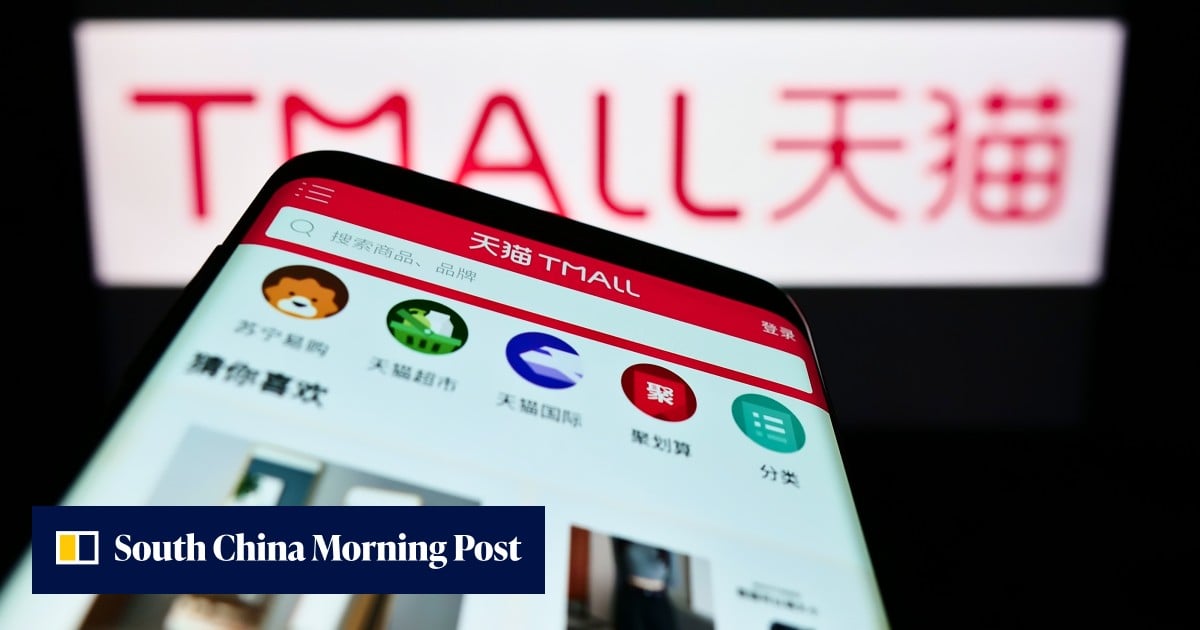
Chinese artificial intelligence companies are adopting a new strategy to monetize their large user bases by offering AI model subscriptions and token top-ups directly on e-commerce platforms like Tmall. This move, spearheaded by Z.ai and soon to include Moonshot AI and MiniMax, aims to convert soaring user numbers into sustainable recurring revenue by packaging AI services like everyd…
Imagine your favorite video game or app now selling special power-ups or extra lives right next to toys and clothes in a big online store like Amazon, but in China. That's what smart computer companies like Moonshot AI and Z.ai are doing with their super-smart computer brains, called AI models. They're selling access to these brains, like a monthly pass or special tokens, on a huge shopping website called Tmall. It's like buying a gift card for a game, but for a computer that can write stories or code, making it easier for everyone to use these cool new tools.
Analysis
The integration of AI model subscriptions onto mainstream e-commerce platforms like Tmall marks a significant evolution in the commercialization strategy for China's burgeoning artificial intelligence sector. By treating access to advanced AI models and their associated 'tokens' as retail products, developers are attempting to normalize AI services for a broader consumer base, potentially unlocking new revenue streams and user acquisition methods beyond traditional tech channels.
Tmall
Alibaba Group Holding's Tmall, a dominant e-commerce platform, is becoming a pivotal battleground for Chinese AI developers seeking paying users. The platform's familiar retail environment, where consumers are accustomed to purchasing everything from smartphones to luxury goods, provides a ready-made marketplace for AI subscriptions. This strategic move by AI labs like Z.ai, Moonshot AI, MiniMax, and DeepSeek aims to capitalize on Tmall's extensive user base and established payment infrastructure, simplifying the transaction process for AI services.
The launch of Tmall's "AI Space Station" further solidifies this trend, creating a centralized hub for various AI offerings. This dedicated marketplace allows users to easily compare and purchase different AI subscriptions and token packages, much like browsing for any other consumer product. The early success, with transactions for AI products jumping over 160 per cent within 48 hours of Z.ai's storefront opening, suggests a strong consumer appetite for accessible AI services when presented in a familiar retail format.
Z.ai
Beijing-based Z.ai, also known as Zhipu AI, initiated this trend by opening an online storefront on Tmall for its GLM Coding Plan. This pioneering move demonstrated the viability of selling AI services through e-commerce, prompting other major players to follow suit. Z.ai's early success highlights the potential for AI developers to diversify their revenue streams and reduce reliance on direct sales channels, which often require significant marketing and user education efforts.
The company's decision to package its coding plan as a retail item underscores a broader industry shift towards making AI more consumable. By framing AI access as a subscription or a top-up, similar to a mobile phone plan, Z.ai and others are making these advanced technologies more approachable and understandable for the average consumer. This strategy could be crucial for fostering wider adoption of AI tools beyond tech-savvy early adopters.
Poe Zhao
China technology analyst and founder of Hello China Tech, Poe Zhao, offers a nuanced perspective on this development. While acknowledging that Tmall provides a more efficient channel for AI developers to acquire paying users, Zhao also points out a significant trade-off: increased dependence on the platform's traffic. This reliance could potentially give Tmall considerable leverage over AI providers, influencing pricing, visibility, and user data access.
Zhao's analysis suggests that while the immediate benefits of tapping into Tmall's vast user base are clear, AI companies must carefully consider the long-term implications of ceding control over their distribution and customer relationships. The balance between efficient user acquisition and maintaining autonomy will be a critical challenge for these developers as they navigate this new retail frontier for AI services. This dynamic mirrors historical patterns in other digital industries where platform dominance has shaped market structures.
Key points
- Chinese AI developers are now selling AI model subscriptions and tokens on Alibaba's Tmall.
- Z.ai initiated the trend by opening an online storefront for its GLM Coding Plan.
- Tmall launched an "AI Space Station" as a central marketplace for AI subscriptions and packages.
- Early market signals show positive results, with AI product transactions jumping over 160% within 48 hours of Z.ai's launch.
- This strategy aims to convert soaring user numbers into recurring revenue and reduce reliance on direct website sales.
This new retail approach could significantly boost revenue for Chinese AI developers by tapping into Tmall's massive consumer base, converting more users into paying subscribers. It also normalizes AI services as everyday products, potentially accelerating widespread adoption and innovation within the sector.
The reliance on platforms like Tmall for user acquisition could lead to increased dependence for AI developers, potentially giving the e-commerce giant significant control over pricing, distribution, and customer data, limiting the autonomy of the AI companies.