China’s nuclear weapons scientist Du Xiangwan clarifies role in nation’s war on waste
Du Xiangwan says he helped research and advise China’s zero-waste cities project, but never worked on using nuclear technology to burn waste.
Intelligence analysis by GPT-5.4 Mini

A senior Chinese nuclear scientist has publicly denied claims that nuclear technology was used to power municipal waste incineration. His clarification says his team only worked on research and consulting for the zero-waste cities pilot.
A famous scientist is saying, "I helped with a trash-cleanup plan, but I did not invent or use nuclear tech to burn garbage." It is like helping design a better kitchen without being the person who built the stove.
Analysis
What Du clarified
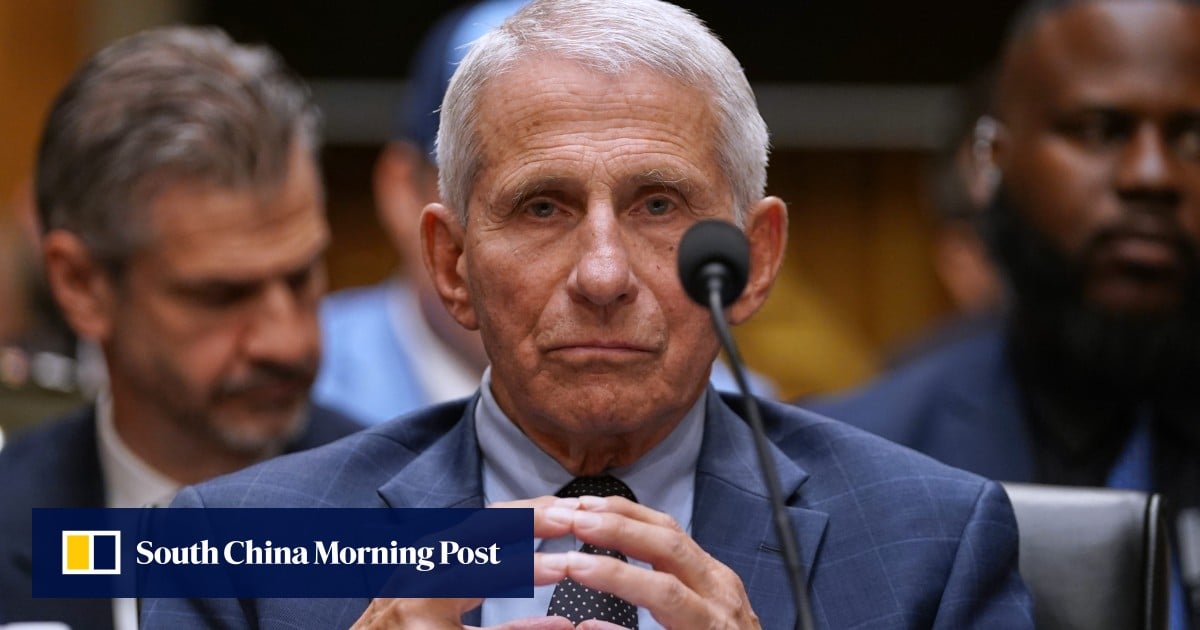
In a June 2 press release from the Chinese Academy of Engineering, veteran nuclear weapons physicist Du Xiangwan said he and his team were involved in research and consulting for the pilot "zero-waste cities" project. That project is part of China’s environmental strategy to eliminate rubbish and historical landfills.
Du also drew a clear line around what he did not do: he said he had never participated in projects that applied nuclear technology to waste incineration, and he had not authorised any organisation or individual to claim otherwise.
Why the clarification came now
The statement follows years of online discussion linking China’s waste-incineration industry to technologies developed for nuclear weapons and submarines. Some commentators have summed up the idea as "using nuclear submarine technology to burn rubbish," arguing that ideas such as systems engineering, thermal design methods, and strict operational management from the nuclear sector influenced the waste-to-energy field.
The article does not say that Du endorsed that claim. Instead, it reports that he publicly separated his own work on zero-waste cities from any direct role in waste incineration technology.
The bigger takeaway
The piece is less about a new policy shift than about correcting a public narrative. It shows how a technical sector can become the subject of simplified, viral explanations, and how a senior scientist may step in to limit that story to what he says actually happened.
Key points
- Du Xiangwan said he and his team worked on research and consulting for the pilot zero-waste cities project.
- He said he never took part in projects applying nuclear technology to waste incineration.
- He also said he never authorised anyone to claim such a connection on his behalf.
- The clarification follows years of online speculation about links between nuclear-sector expertise and waste-to-energy incineration.
- The article frames the issue as a correction to a public narrative, not a new technical disclosure.
The clarification could reduce confusion around how China’s waste-to-energy industry developed and keep the discussion focused on the zero-waste cities program. It may also help separate real environmental work from exaggerated claims about nuclear technology.
The online story linking nuclear expertise to waste incineration may keep spreading even after the clarification. If public discussion stays focused on a catchy slogan, the underlying details of the industry’s actual development may remain muddled.