Chinese EV sales surge to new high in Europe putting tariffs under scrutiny
Chinese electric car sales have risen across Europe to a record high driven by strong demand and low tariffs in the UK and a surge in buyers in Italy. The share of electric cars sold by Chinese brands rose to 14.2% across western European markets in the first five months …
Intelligence analysis by Llama
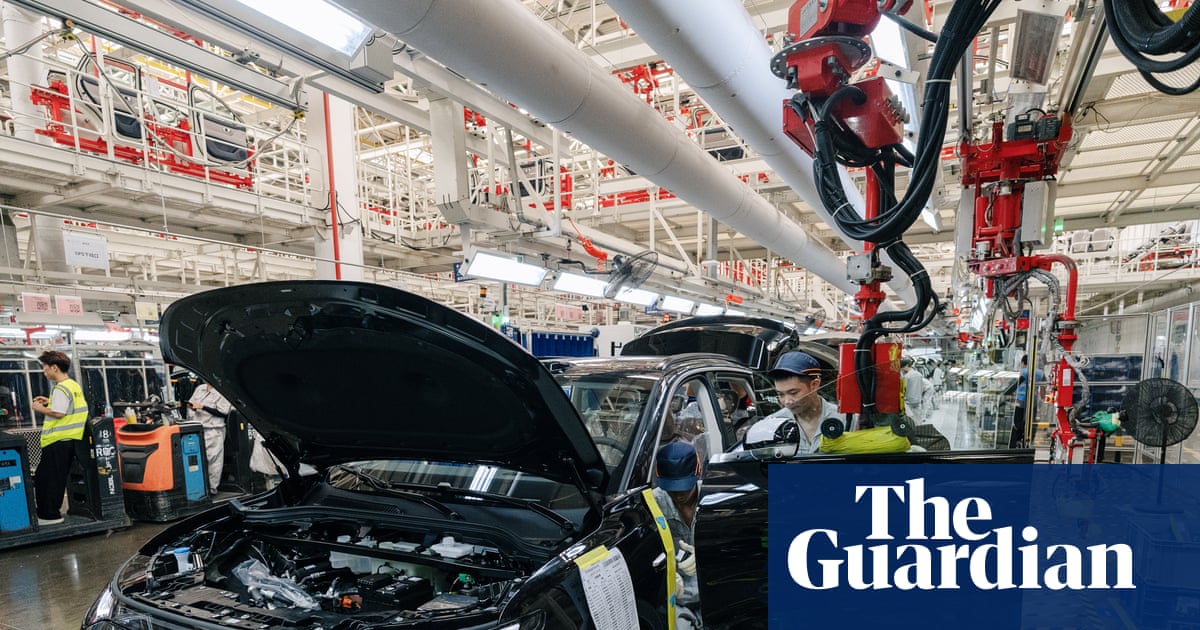
Chinese electric car sales have surged to a record high in Europe, driven by strong demand and low tariffs in the UK and a surge in buyers in Italy. The increase has put traditional European manufacturers under intense pressure as they seek to increase their own BEV sales.
Imagine a big car market where lots of people are buying electric cars. Chinese companies are selling a lot of these cars in Europe, which is making it hard for European car makers to sell their own electric cars. This is because Chinese cars are often cheaper and have lower tariffs, making them more attractive to buyers.
Analysis
Market Share Surge
Chinese electric car sales have risen across Europe to a record high driven by strong demand and low tariffs in the UK and a surge in buyers in Italy. The share of electric cars sold by Chinese brands rose to 14.2% across western European markets – or one in every seven battery electric vehicles (BEVs) – in the first five months of this year, according to Schmidt Automotive Research. This represents an increase in market share of nearly five percentage points versus the same period in 2025.
Tariffs and Trade
The increase in European sales comes despite EU tariffs of up to 35.3% for electric cars made by some Chinese manufacturers, on top of the standard 10% import duty. The UK is the largest European market for Chinese cars because the government has declined to follow the EU’s lead in imposing extra levies. The UK accounted for a quarter of Chinese BEV sales across the 18 biggest Western European markets. Although Italy accounted for a fifth of the total, Schmidt said this was an “anomaly”. One manufacturer, Leapmotor, sent thousands of its cheap T03 electric cars into the country to take advantage of purchase subsidies from the government.
Shift to PHEVs
Chinese manufacturers have sold more than 120 different models in Europe this year – compared with about 100 from European brands. However, Matthias Schmidt, the founder of Schmidt research, said China’s share of the BEV market may have peaked, in part because they have shifted some of their focus to plug-in hybrid electric vehicles. PHEVs, which combine a polluting petrol engine with a smaller battery, are not yet subject to EU tariffs. “I think they are hitting a wall when it comes to pure electric models,” said Schmidt. “They will prioritise PHEVs over the next 12 months given hybrids are omitted from extra tariffs placed on BEVs only. With that loophole set to close in the next 12 months, they will aim to maximise that gap in the door for as long as possible. BEVs will take priority again once local EU production comes online.”
Key points
- Chinese electric car sales have risen to a record high in Europe, driven by strong demand and low tariffs in the UK and a surge in buyers in Italy.
- The share of electric cars sold by Chinese brands rose to 14.2% across western European markets in the first five months of this year.
- The increase in European sales comes despite EU tariffs of up to 35.3% for electric cars made by some Chinese manufacturers.
- Chinese manufacturers have sold more than 120 different models in Europe this year – compared with about 100 from European brands.
- Matthias Schmidt, the founder of Schmidt research, said China’s share of the BEV market may have peaked, in part because they have shifted some of their focus to plug-in hybrid electric vehicles.
If the EU extends tariffs to PHEVs, Chinese manufacturers may shift their focus back to BEVs, which could lead to a surge in sales and a further increase in market share. Additionally, the UK's decision not to impose extra levies on Chinese cars may continue to attract buyers, leading to a further increase in sales.
If the EU imposes stricter tariffs on Chinese cars, it could lead to a decline in sales and a decrease in market share. Additionally, the shift to PHEVs by Chinese manufacturers may make it harder for European car makers to compete, leading to a further decline in sales.