Chinese memory giant CXMT oversubscribed 212 times in mega Shanghai IPO
ChangXin Memory Technologies (CXMT), China's leading DRAM producer, saw its Shanghai IPO oversubscribed 212 times by retail investors, attracting nearly 10 million applications.
Intelligence analysis by Gemini 2.5 Flash
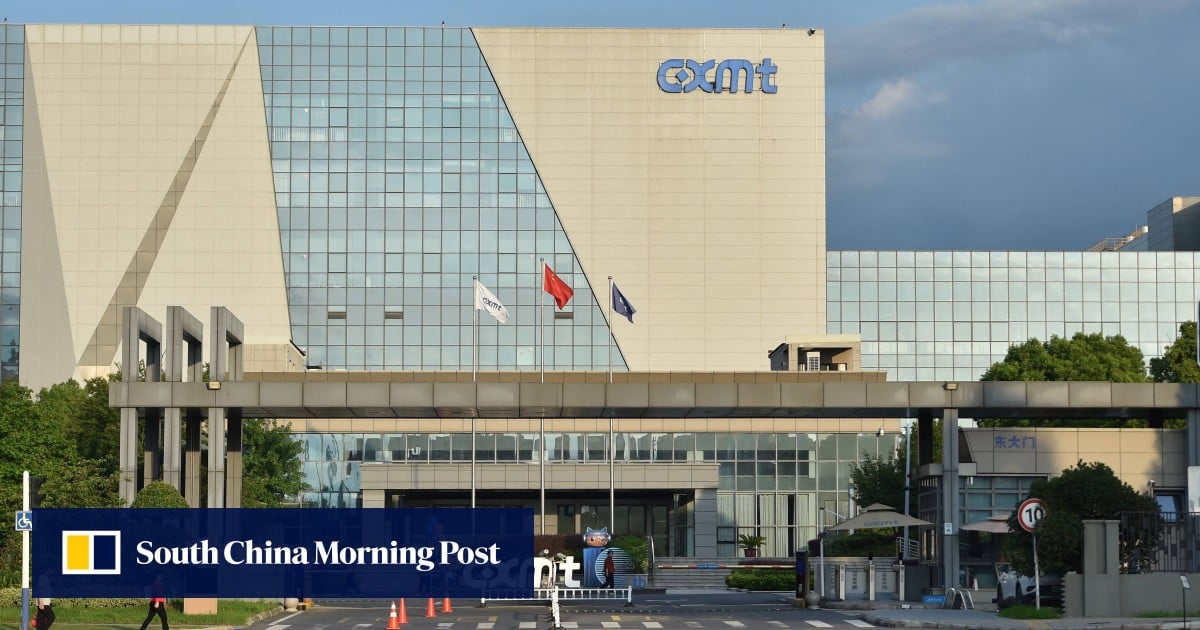
The overwhelming demand for CXMT's initial public offering underscores intense investor appetite for China's domestic semiconductor industry, as Beijing pushes for self-reliance in critical chip technologies. The IPO's success, with retail demand far exceeding available shares, highlights the strategic importance placed on local alternatives to foreign chip suppliers.
Imagine everyone wants to buy a special building block that helps China make its own super-smart computers and robots, so they don't have to ask other countries for them. So many people wanted to buy these blocks from a company called CXMT that there weren't enough for everyone, even though they made a lot available! It shows how important it is for China to build its own tech stuff.
Analysis
Unprecedented Investor Enthusiasm
ChangXin Memory Technologies (CXMT), a pivotal player in China's semiconductor landscape, has witnessed an extraordinary response to its initial public offering (IPO) on the Shanghai stock exchange. Retail investor demand for CXMT shares was oversubscribed by an astonishing 212 times, drawing nearly 10 million individual investor accounts. This level of interest is a clear indicator of the market's confidence in China's domestic chip industry and its strategic direction.
The sheer volume of applications, totaling nearly 817 billion shares, triggered a clawback mechanism that reallocated a significant portion of shares from institutional investors to meet retail demand. Even with this expansion, the final allotment rate remained exceptionally low at 0.47 percent, underscoring the fierce competition for a stake in this key technology firm. The unique online IPO system in China, which bases lottery entries on existing shareholdings rather than requiring upfront cash, likely contributed to the broad participation.
A Cornerstone of China's Chip Ambition
CXMT's successful IPO is more than just a financial event; it represents a significant milestone in Beijing's overarching strategy to achieve semiconductor self-reliance. As China's leading producer of dynamic random-access memory (DRAM), CXMT is at the forefront of efforts to develop domestic alternatives to foreign chip suppliers, a goal that has gained urgency amid global geopolitical tensions and supply chain vulnerabilities. The overwhelming investor interest signals strong support for this national imperative.
This drive for self-sufficiency is critical for various sectors, including the burgeoning artificial intelligence industry. Reliable domestic supply of memory chips is fundamental for building advanced AI infrastructure, from data centers to edge devices, without dependence on external sources. The capital raised through this mega IPO will undoubtedly fuel CXMT's research and development, accelerating its capacity to innovate and scale production, thereby strengthening China's technological sovereignty.
Global Semiconductor Implications
The robust performance of CXMT's IPO sends a clear message about the trajectory of China's semiconductor industry. It demonstrates the nation's commitment and capability to foster homegrown champions in critical technology areas, potentially reshaping the global chip supply chain dynamics. As China continues to invest heavily in its semiconductor ecosystem, companies like CXMT are poised to challenge established international players, particularly in memory production.
While the immediate impact is a boost to China's domestic tech sector, the long-term implications could include increased competition in the global DRAM market and a potential shift in technological leadership. For the AI industry worldwide, a more diversified and resilient memory chip supply, even if driven by national self-interest, could ultimately lead to greater stability and innovation. However, it also highlights the ongoing tech rivalry and the strategic importance of controlling key components for future technological advancements.
Key points
- ChangXin Memory Technologies (CXMT) IPO was oversubscribed 212 times by retail investors.
- Nearly 10 million investor accounts applied for shares in the mega Shanghai listing.
- The overwhelming demand triggered a clawback mechanism, shifting 502 million shares to retail investors.
- The final allotment rate for retail investors was a mere 0.47 percent.
- The IPO's success underscores investor confidence in China's semiconductor self-reliance drive.
The successful IPO provides CXMT with substantial capital to accelerate its research, development, and production capabilities, significantly advancing China's goal of semiconductor self-reliance. This could lead to a more robust domestic supply chain for critical components, fostering innovation in AI and other advanced technologies within China.
While the IPO is a success, the intense demand and low allotment rate highlight the significant gap between China's domestic production capacity and its strategic needs. Continued reliance on foreign technology or potential setbacks in scaling production could still hinder China's ambitious self-sufficiency goals, especially amidst ongoing global tech competition.