Chinese Venezuelans turn community networks into lifeline after earthquakes
Chinese Venezuelans leveraged their extensive community networks, stretching from Guangdong to Caracas, to organize and deliver crucial aid after devastating earthquakes struck northern Venezuela, killing nearly 1,500 people. They transformed their businesses and social c…
Intelligence analysis by Gemini 2.5 Flash
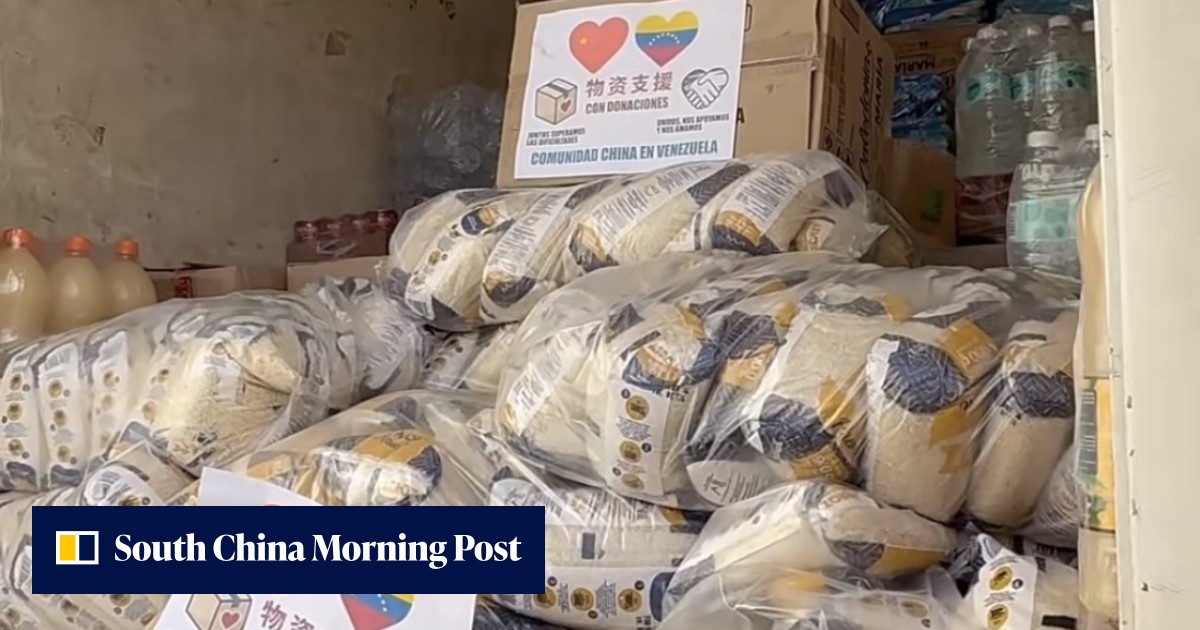
Following deadly earthquakes in northern Venezuela, Chinese migrants, who have built businesses there for generations, quickly mobilized their community networks to provide essential relief. They converted shops and warehouses into aid hubs, distributing food, water, and supplies, highlighting their role as integral members of Venezuelan society rather than outsiders.
When big earthquakes hit Venezuela, Chinese people living there, who own shops and have many friends, quickly used their connections, even with family far away in China, to gather food, water, and supplies. They turned their stores into places to collect things and sent trucks to help everyone, showing they are a big part of the country.
Analysis
A Community's Rapid Mobilization
The devastating twin earthquakes that struck northern Venezuela, registering above magnitude 7, triggered an immediate and profound crisis, claiming nearly 1,500 lives and displacing thousands. In the wake of this catastrophe, the Chinese Venezuelan community swiftly transformed its established commercial and social networks into a vital relief operation. Individuals like Lutao Cen, who experienced the shock firsthand, quickly mobilized, converting their shops and warehouses into collection points for essential supplies. This rapid pivot from commerce to humanitarian aid underscored the community's deep-seated organizational capacity and readiness to respond to urgent needs.
This grassroots mobilization was critical given the immense scale of the disaster, which left over 3,100 injured and more than 12,700 displaced. The community's ability to quickly gather and distribute food, water, and other necessities demonstrated a remarkable level of self-reliance and collective action. Their efforts filled crucial gaps in the immediate aftermath, providing a lifeline to affected populations when traditional aid channels might have been overwhelmed or slower to react. This proactive response highlighted the inherent strength of tightly-knit diaspora groups in times of national emergency.
Bridging Continents for Aid
The relief efforts were not confined to Venezuela's borders but leveraged transnational connections that stretched all the way to Guangdong, China. This extensive network allowed for a broader reach in soliciting donations and coordinating support, illustrating the global interconnectedness of the Chinese diaspora. By tapping into these international ties, the community could potentially access resources and expertise that might not have been readily available locally, amplifying the impact of their humanitarian work.
This cross-continental coordination underscores the unique advantage of diaspora communities in crisis response. The ability to bridge geographical distances and cultural divides to channel aid effectively showcases a sophisticated level of organization and trust within these networks. Such efforts not only provide tangible relief but also reinforce the bonds between overseas Chinese communities and their ancestral homeland, creating a robust support system that transcends national boundaries.
Beyond Business: Integral to Society
The proactive and compassionate response by Chinese Venezuelans fundamentally reshapes their identity within the country, moving beyond the perception of mere economic actors or "outsiders." By stepping up as first responders and integral aid providers, they demonstrated a profound commitment to Venezuelan society. This act of solidarity during a national tragedy solidifies their status as deeply integrated members of the community, sharing in the nation's suffering and contributing actively to its recovery.
This humanitarian engagement has significant long-term implications, fostering greater acceptance and appreciation for the Chinese diaspora. It highlights their role not just in commerce but as vital social contributors, enriching the fabric of Venezuelan society. Such actions build goodwill and strengthen intercultural ties, proving that these communities are not just residents but active citizens dedicated to the well-being of their adopted home, embodying a powerful example of global citizenship and mutual support.
Key points
- Twin earthquakes above magnitude 7 struck northern Venezuela, causing widespread devastation.
- The disaster resulted in nearly 1,500 deaths, over 3,100 injuries, and displaced more than 12,700 people.
- Chinese Venezuelans rapidly mobilized their community and business networks to organize a significant relief effort.
- Shops and warehouses were transformed into aid distribution centers, sending food, water, and supplies to affected areas.
- The aid network extended from local Venezuelan communities to connections in Guangdong, China.
- The community's response highlighted their deep integration into Venezuelan society, acting as "Venezuelans" rather than "outsiders."
The swift and organized response by the Chinese Venezuelan community demonstrates the strength and resilience of diaspora networks, suggesting that such communities can be powerful forces for good and stability during crises, fostering deeper integration and mutual support within their adopted nations.