Clarity survives (barely), Strategy sells and the untold story of Mastercard's $1.8 billion deal: Crypto's week in 5 stories
Crypto is entering a more regulated, institutionalized phase as U.S. lawmakers debate the Digital Asset Market Clarity Act and regulators refine their own rulemaking. Bitcoin markets flashed mixed signals as major corporate holders and miners sold while large wallets and …
Intelligence analysis by Llama
Crypto is entering a more regulated, institutionalized phase as U.S. lawmakers debate the Digital Asset Market Clarity Act and regulators refine their own rulemaking. Bitcoin markets flashed mixed signals as major corporate holders and miners sold while large wallets and hedge funds increased bullish positions. Wall Street is deepening its involvement in select crypto products and inf…
Imagine you're playing a game where you can buy and sell special tokens called bitcoin. Some people who own a lot of these tokens are selling them, but others are buying them. This is making the game a bit confusing, but it's also showing that some people are really interested in these tokens. Meanwhile, some big companies are trying to figure out how to use these tokens in their business, and some are even making new rules to help the game work better.
Analysis
Clarity Act: A Second Chance in September
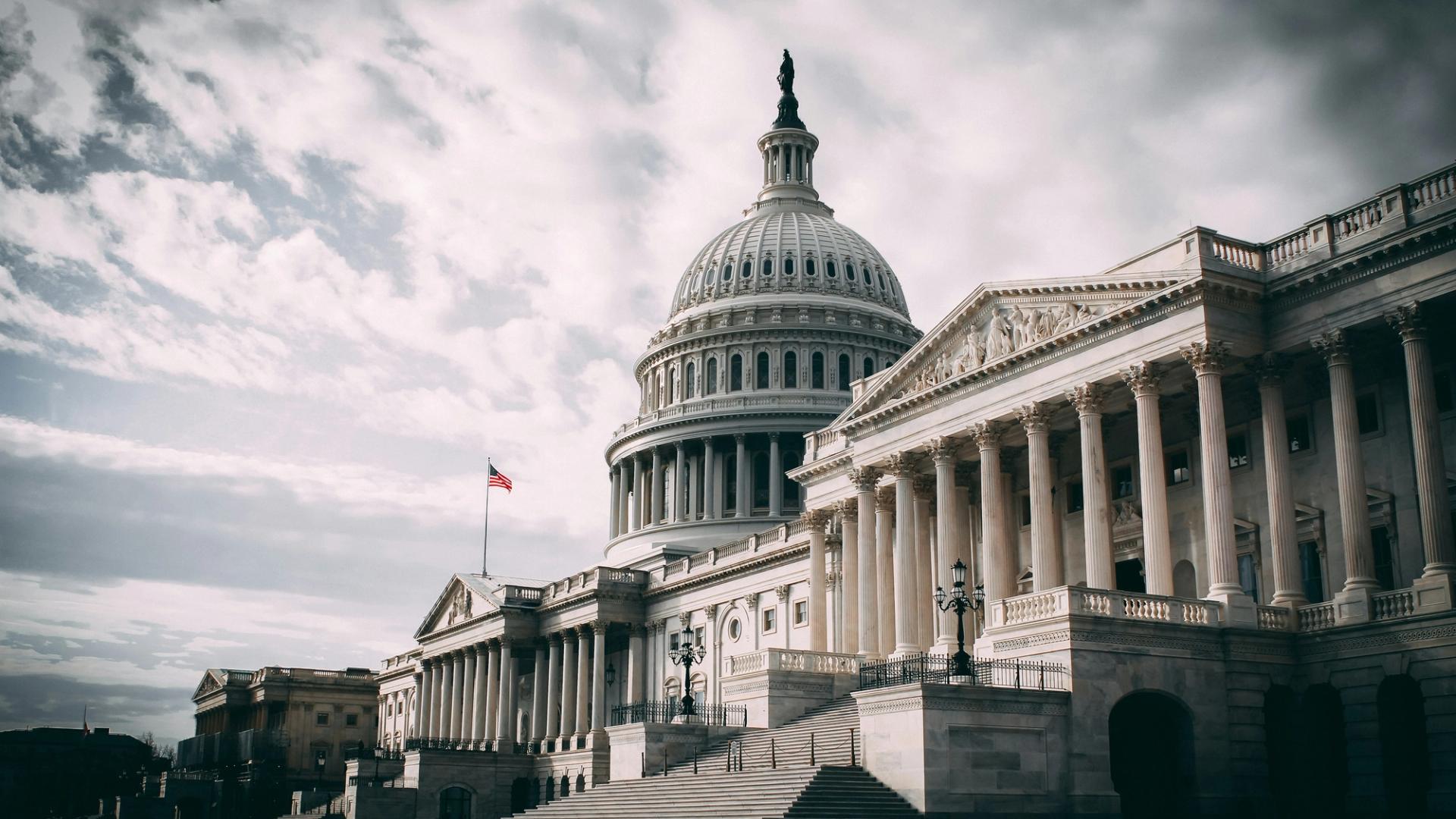
The Digital Asset Market Clarity Act missed the Senate's August window, but the crypto market structure legislation will get another shot after lawmakers return in September. The industry had been hoping for a procedural vote before the congressional recess and reacted angrily when one didn't materialize. CoinDesk's State of Crypto analysis made the case that waiting may have been preferable to forcing a vote without enough support and watching the bill fail. The stakes extend beyond this Congress. If the legislation collapses and lawmakers have to start over next year, Democrats are likely to have a more prominent role in writing the next version of the bill. There are three Democratic women who could gain greater influence over the next round of crypto legislation. All have generally approached digital assets with considerable skepticism. Meanwhile, the regulatory train trundles on, leaving U.S. crypto policy moving on two tracks. While Congress is still trying to write the broad market structure, the Securities and Exchange Commission (and its sister agency, the Commodity Futures Trading Commission) is beginning to work on rules within its own ranks. But even that process is proving messy. The SEC said it's delaying a planned 'innovation exemption' for tokenized securities after concerns from both the White House and Wall Street, including fears that moving too aggressively could complicate Clarity Act negotiations and reshape market structure without a full rulemaking process. For an industry that spent years complaining that nobody would tell it what the rules were, that is progress. September will show whether Congress can actually agree on them.
Strategy Sold Bitcoin
Strategy sold 1,690 bitcoin and raised $653 million from sales of its common stock. Strategy has now sold five times this year, totaling around 7,000 BTC — a sharp reversal for a company whose founders spent years insisting they would never sell a single coin. The company helped create the modern bitcoin treasury trade — raise capital, buy bitcoin, repeat — inspiring companies worldwide to turn their balance sheets into leveraged bets on the cryptocurrency. That explains why routine bitcoin movements are suddenly in focus. When roughly $320 million of bitcoin moved from wallets associated with Metaplanet (3350), speculation quickly followed that the Tokyo-based company was selling. CEO Simon Gerovich denied that it was the case. Trump Media (DJT) showed the downside of a bitcoin-holding strategy. The Truth Social parent reported $360.6 million in first-half losses tied to digital assets and digital assets pledged, much of them unrealized. It held 9,477 bitcoin worth about $557 million at the end of June, down from 9,542 at the end of March. Trump Media, Crypto.com and Yorkville Acquisition also scrapped a proposed publicly traded CRO treasury company and abandoned a separate ETF-servicing partnership, citing market conditions and shifting priorities. Meanwhile, public bitcoin miners, an easily overlooked source of coins hitting the market at the margin, added about $1.78 billion of selling pressure. And yet, some indicators were turning more bullish. Bitcoin's 'strongest hands' were accumulating, with the number of wallets holding more than 10,000 BTC reaching a six-month high. Hedge funds were shifting, too. Leveraged funds on CME moved away from the structural shorts associated with the once-popular bitcoin basis trade and toward a net-long position.
Wall Street Wants Crypto
While the bitcoin-treasury trade is beginning to look more complicated, Wall Street's crypto expansion is becoming more straightforward. Fidelity moved to add staking and quarterly payouts to its nearly $900 million ether ETF. The proposal would allow the fund to earn staking rewards, with 85% of gross rewards retained by the fund and 15% going to service providers. Goldman Sachs agreed to buy NEOS for $2.25 billion, expanding its position in derivatives-based ETFs and further deepening its involvement in the crypto market.
Key points
- The Digital Asset Market Clarity Act missed the Senate's August window, but the crypto market structure legislation will get another shot after lawmakers return in September.
- Strategy sold 1,690 bitcoin and raised $653 million from sales of its common stock.
- Fidelity moved to add staking and quarterly payouts to its nearly $900 million ether ETF.
- Goldman Sachs agreed to buy NEOS for $2.25 billion, expanding its position in derivatives-based ETFs and further deepening its involvement in the crypto market.
If the Digital Asset Market Clarity Act passes in September, it could bring more stability and clarity to the crypto market. This could make it easier for companies to use crypto in their business and for people to invest in it. Additionally, the fact that some big companies are buying into the crypto market could bring more investment and attention to the space, which could be a positive development.
If the Digital Asset Market Clarity Act fails to pass in September, it could lead to more uncertainty and volatility in the crypto market. This could make it harder for companies to use crypto in their business and for people to invest in it. Additionally, the fact that some big companies are selling their crypto holdings could lead to a decline in the value of these tokens.