Climate crisis could be destabilising mountain areas like Nepal, experts warn
Experts warn climate crisis is destabilising mountain areas, leading to deadly floods in Nepal and Tibet.
Intelligence analysis by Qwen 2.5 (3B)
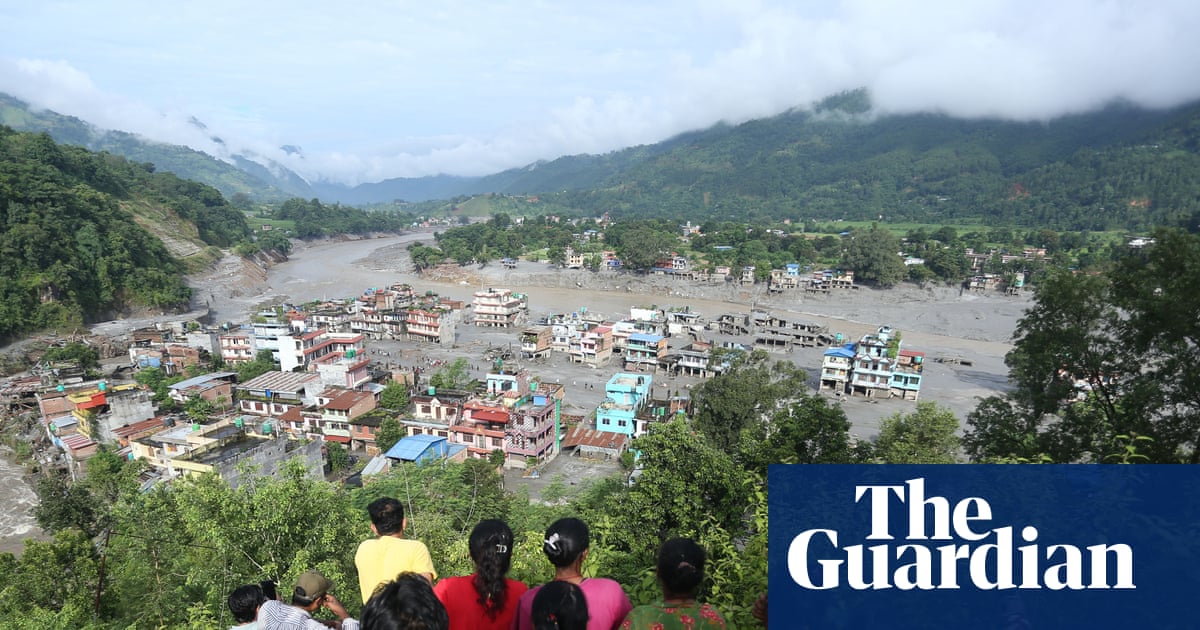
Experts warn climate change is causing instability in mountain regions, leading to deadly floods in Nepal and Tibet.
The Earth is getting warmer, and this is causing ice and snow to melt. In places like Nepal and Tibet, this melting ice can cause big rivers to flood, which can be very dangerous and hurt people. The Earth's scientists are warning that if we don't stop making the Earth warmer, more of these dangerous floods could happen in the future.
Analysis
Glacier Collapse and Its Consequences
Glacier collapse is a significant concern in mountain regions. The Langtang Lirung mountain in Nepal experienced a glacier collapse that triggered a devastating flood. The impact of this event is not isolated; it is part of a broader trend. The Intergovernmental Panel on Climate Change (IPCC) warned in 2023 that previously ice-bound landmasses would become increasingly unstable as temperatures rise. This trend is evident in the Langtang catchment area in Nepal, where glacier loss rates have increased more than fourfold since 1964. The IPCC's sixth synthesis report emphasized that floods, landslides, and freshwater shortages from glacier retreat and snow loss pose a serious threat to mountain regions across the world.
Global Warming and Its Effects
Global warming is causing the loss of snow and ice, leading to the surface being less reflective and absorbing more solar energy. This phenomenon is causing the melting of mountain permafrost, which is a significant concern. The melting of permafrost and ice-filled joints can lead to catastrophic failures, such as the glacier collapse in Nepal. The IPCC's report also highlights that every increment of warming will multiply and intensify future hazards from cryosphere regions.
Implications for Human Populations
Hundreds of millions of people in Asia depend on rivers such as the Ganges and the Brahmaputra that descend from glaciers. The loss of these glaciers and the associated permafrost could lead to freshwater shortages and pose a serious threat to populations downstream. The IPCC's report underscores the importance of addressing climate change to mitigate these risks.
Key points
- Glacier collapse in Nepal triggered a deadly flood
- IPCC warned in 2023 that ice-bound landmasses would become increasingly unstable
- Rivers in Asia depend on glaciers, and their loss could cause freshwater shortages
- Melting permafrost and ice-filled joints can lead to catastrophic failures
- Every increment of warming will multiply and intensify future hazards from cryosphere regions
If we can reduce our use of fossil fuels and find cleaner ways to power our homes and businesses, we might be able to slow down the melting of ice and snow, which could help prevent more dangerous floods in the future.
If we don't take action to stop making the Earth warmer, we could see more of these dangerous floods in the future, which could cause even more damage and loss of life.