CME is letting traders bet on bitcoin volatility, not price, and two firms have already placed bets
CME has launched bitcoin volatility index futures, letting traders bet on expected four-week BTC swings. Monarq and DV Chain made the first block trades.
Intelligence analysis by GPT-5.4 Mini
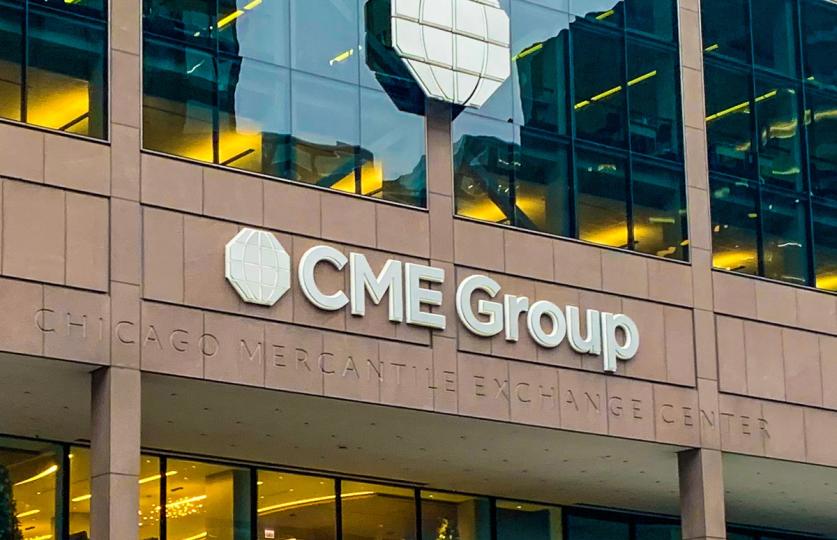
CME Group has added a regulated bitcoin volatility futures contract tied to its Bitcoin Volatility Index, giving traders a way to bet on expected BTC swings instead of direction. Monarq Asset Management and DV Chain were the first firms to trade it.
CME made a new kind of bitcoin bet that is not about whether the price goes up or down. It is more like betting on whether a car ride will be smooth or bumpy, instead of guessing where the car will end up.
Analysis
What CME launched
CME Group has started trading bitcoin volatility index futures tied to the CME CF Bitcoin Volatility Index, or BVX. The contract is designed to reflect expectations for bitcoin volatility over the next four weeks, so traders can express a view on how wild BTC may be rather than whether price will rise or fall.
Why that is different
Most familiar crypto derivatives, such as futures, perpetual futures, and options, still require some directional view on bitcoin. Volatility futures separate that question out. That makes them useful for traders who want to hedge exposure to price turbulence or position around specific catalysts without taking a direct bullish or bearish stance.
The article points to events like U.S. inflation data as an example of the kind of market moment when volatility can matter as much as direction. If a trader expects a sharp move but is unsure which way it will go, a volatility product offers a different way to express that view.
Early market signal
The first block trades were executed by Monarq Asset Management and DV Chain, which suggests immediate institutional interest at launch. Monarq’s CEO, Shiliang Tang, said the launch broadens regulated volatility offerings and helps investors express views and hedge portfolios in a secure, transparent framework.
CME also framed the launch as an extension of its existing crypto derivatives lineup, which already includes bitcoin and ether standard and micro futures and options. The exchange said its crypto derivatives business has reached roughly 266,900 contracts year to date, up 38% from a year earlier, while average daily open interest is about 274,500 contracts, up 18%. That growth gives the new product a larger platform than a standalone niche launch would have had.
Key points
- CME launched bitcoin volatility index futures tied to the CME CF Bitcoin Volatility Index.
- The contract lets traders bet on expected four-week BTC volatility instead of price direction.
- Monarq Asset Management and DV Chain executed the first block trades.
- The product may be useful for hedging around macro events such as U.S. inflation data releases.
- CME said its crypto derivatives business has grown year over year, giving the new product an established market base.
If the contract gains traction, it could give institutions a cleaner way to hedge around events that shake bitcoin prices. That would strengthen CME’s role as a regulated venue for more advanced crypto risk management.
The contract may stay a niche product if most traders still prefer simpler price bets through futures or options. If trading stays thin, the launch could add breadth without meaningfully changing how the market manages bitcoin risk.