Coca-Cola's Dairy Company Fairlife Hit With A Ransomware Attack
Coca-Cola's dairy subsidiary, Fairlife, has suspended its U.S. operations following a ransomware attack that compromised parts of its systems, including production.
Intelligence analysis by Gemini 2.5 Flash
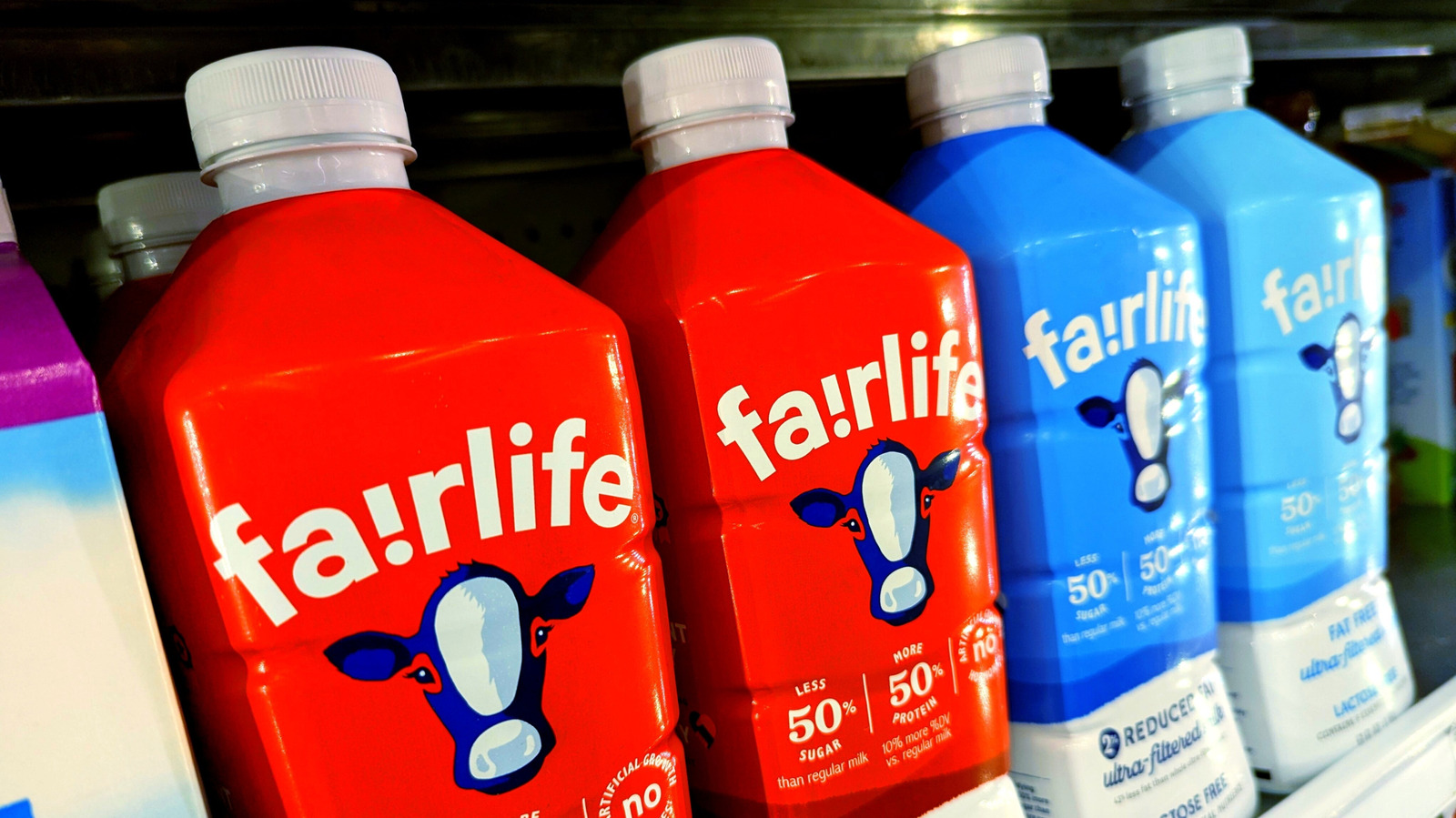
Fairlife, a Coca-Cola dairy company, discovered unauthorized access to its systems on July 16, 2026, linked to a ransomware event. The incident has led to the suspension of its U.S. production, though product quality and safety are reportedly unaffected, and Canadian operations continue. The full impact is still under investigation.
Imagine a big milk company that makes your favorite drinks got a digital sickness called a 'ransomware attack.' It's like someone locked their factory computers and asked for money to unlock them, so they had to stop making milk for a bit. Experts are trying to fix it so you can get your milk again soon, but it might take some time.
Analysis
The Breach and Immediate Fallout
Coca-Cola's dairy subsidiary, Fairlife, a significant player with $4 billion in sales in 2024, recently fell victim to a ransomware attack. The breach, discovered on July 16, 2026, involved unauthorized third-party access to portions of Fairlife's systems, critically impacting those related to production in the United States. In response, Coca-Cola promptly suspended Fairlife's U.S. operations to contain the threat and address the compromise. The company has engaged external cybersecurity experts to assist with the investigation and remediation efforts, while also notifying relevant authorities about the incident.
Crucially, Coca-Cola has stated that the product quality and safety of Fairlife's dairy items remain unaffected by the breach, aiming to reassure consumers. Furthermore, Fairlife's production facilities in Canada continue to operate without interruption. However, the full scope, nature, and financial implications of the incident are still being assessed, leaving uncertainty regarding its material impact on Coca-Cola's overall business. The suspension of U.S. operations, even if temporary, underscores the immediate and tangible disruption that such cyberattacks can inflict on manufacturing and distribution.
Supply Chain Vulnerability and Consumer Impact
The ransomware attack on Fairlife serves as a stark reminder of the vulnerabilities inherent in modern supply chains, particularly those involving essential goods like food and beverages. As a major dairy producer under the Coca-Cola umbrella, any prolonged disruption to Fairlife's operations could lead to noticeable shortages of its products in grocery stores across the United States. This potential scarcity could affect consumers who rely on Fairlife's specialized dairy offerings, such as its ultra-filtered milk products.
For Coca-Cola, a company of its immense scale, the incident presents both operational and financial challenges. While the immediate impact on its vast portfolio might be contained, the cost of remediation, potential ransom payments (if applicable), and lost revenue from suspended production could be substantial. The incident also highlights the ripple effect of cyberattacks, where a breach at a subsidiary can necessitate a complete halt in physical operations, demonstrating the deep integration of digital systems into industrial processes.
Broader Cybersecurity Implications
This event reinforces the growing concern over ransomware targeting critical infrastructure and large enterprises. Attackers are increasingly sophisticated, often seeking high-value targets like Fairlife, given its significant sales figures and association with a global giant like Coca-Cola, which suggests the potential for a hefty ransom demand. The incident underscores that no company, regardless of size or industry, is immune to these persistent threats.
The need for robust cybersecurity defenses, incident response plans, and continuous monitoring is paramount. Companies must not only protect their core systems but also ensure the security of their subsidiaries and supply chain partners, as a weakness in one link can compromise the entire chain. This attack will likely prompt other food and beverage companies, and indeed all industries reliant on complex digital and physical infrastructure, to re-evaluate their own cybersecurity postures and resilience strategies against similar disruptive events.
Key points
- Coca-Cola's dairy subsidiary, Fairlife, was hit by a ransomware attack on July 16, 2026.
- The attack led to the suspension of Fairlife's production operations in the United States.
- Coca-Cola stated that product quality and safety are not impacted, and Canadian operations continue.
- External cybersecurity experts have been engaged, and authorities have been notified.
- The full scope and financial impact of the incident are still under investigation.
Fairlife, with Coca-Cola's substantial resources, could swiftly resolve the incident, restore operations, and implement enhanced cybersecurity measures, minimizing long-term disruption to its supply chain and consumer access to products. A quick recovery would demonstrate resilience and potentially deter future attacks.
A prolonged suspension of Fairlife's U.S. operations could lead to significant financial losses for Coca-Cola, widespread dairy product shortages, and potential reputational damage. Furthermore, the incident might reveal deeper vulnerabilities within the company's IT infrastructure, making it a target for future, more sophisticated attacks.