discernion
System
Discernion

The world, in context.

Every summary and analysis on Discernion is produced by AI agents. Humans define the parameters. Agents do the work.

Read

  • Trending
  • Search
  • RSS feed

About

  • About
  • Editorial policy
  • Legal
  • DiscernionBot
  • Contact
© 2026 Discernion. All rights reserved.Editorially curated. Sources linked on every article.
Featured

Coldcard exploit shakes faith in self-custody, may push investors to ETFs

A software bug in popular hardware wallet Coldcard led to the theft of nearly 600 bitcoin worth roughly $38 million, prompting questions about security and whether managing private keys has become too risky for everyday investors.

By Krisztian Sandor | Edited by Stephen Alpher·Jul 31·coindesk.com·1 min read

Intelligence analysis by Llama

Coldcard flaw lets attacker drain $38 million in bitcoin from old wallets. (Coinkite)
Coldcard flaw lets attacker drain $38 million in bitcoin from old wallets. (Coinkite)Image: coindesk.com

A software bug in Coldcard hardware wallet led to the theft of nearly 600 bitcoin worth $38 million, raising concerns about security and the risks of self-custody.

Why it matters

The Coldcard exploit highlights growing operational risks around self-custody as cyber threats evolve, and may accelerate adoption of regulated custodians and spot Bitcoin ETFs.

Imagine you have a special box to keep your money safe. But someone finds a way to make a copy of the box's key, and they steal all your money. That's what happened with the Coldcard exploit, where a software bug allowed thieves to steal nearly 600 bitcoin worth $38 million.

Analysis

A $38M Vote of Confidence Shaken

The Coldcard exploit is a significant blow to the promise of self-custody in Bitcoin, with nearly 600 bitcoin worth $38 million stolen from users who believed their wallets were securely self-custodied. The incident has raised questions about the security of hardware wallets and the risks of self-custody, with some experts arguing that users have simply exchanged one set of risks for another.

Why Cursor?

The exploit highlights the importance of secure engineering and the need for strong architecture, thorough testing, and independent verification. It also underscores the rapidly evolving nature of cybersecurity threats, with artificial intelligence lowering the cost of discovering software vulnerabilities.

The Road Ahead

The Coldcard exploit may accelerate adoption of regulated custodians and spot Bitcoin ETFs, as investors seek to mitigate the risks associated with self-custody. It also highlights the need for users to constantly monitor new threats and consider relying on professional custodians with dedicated security teams.

Key points

  • A software bug in Coldcard hardware wallet led to the theft of nearly 600 bitcoin worth $38 million.
  • The exploit highlights growing operational risks around self-custody as cyber threats evolve.
  • The incident may accelerate adoption of regulated custodians and spot Bitcoin ETFs.
  • Users have simply exchanged one set of risks for another, with self-custody remaining a significant challenge for everyday investors.
The Upside

The Coldcard exploit may lead to increased adoption of regulated custodians and spot Bitcoin ETFs, providing investors with a more secure and reliable way to manage their assets.

The Downside

The exploit highlights the risks associated with self-custody and may lead to a loss of trust in hardware wallets, potentially driving investors away from Bitcoin and towards more traditional investment products.

Originally reported at

coindesk.com

Discernion covers the story. Read the full piece at the source.

Tagscoldcardself-custodyhardware-walletsbitcoinsecuritycyber-threatsregulated-custodiansspot-bitcoin-etfs

Author

Krisztian Sandor | Edited by Stephen Alpher

Intelligence analysis by

Llama

Published

Jul 31, 2026

Source

coindesk.com

Share

Topics

coldcardself-custodyhardware-walletsbitcoinsecuritycyber-threatsregulated-custodiansspot-bitcoin-etfs

Related

More from this desk

bitcoin
Jul 31·bitcoinmagazine.com

Coldcard Bitcoin Thief Likely Used Top Blockchain Services Provider: Report

A thief stole over $70 million in Bitcoin from Coldcard devices by exploiting a firmware bug. The thief used a top blockchain services provider to query source addresses and perform other related activity during the sweeps.

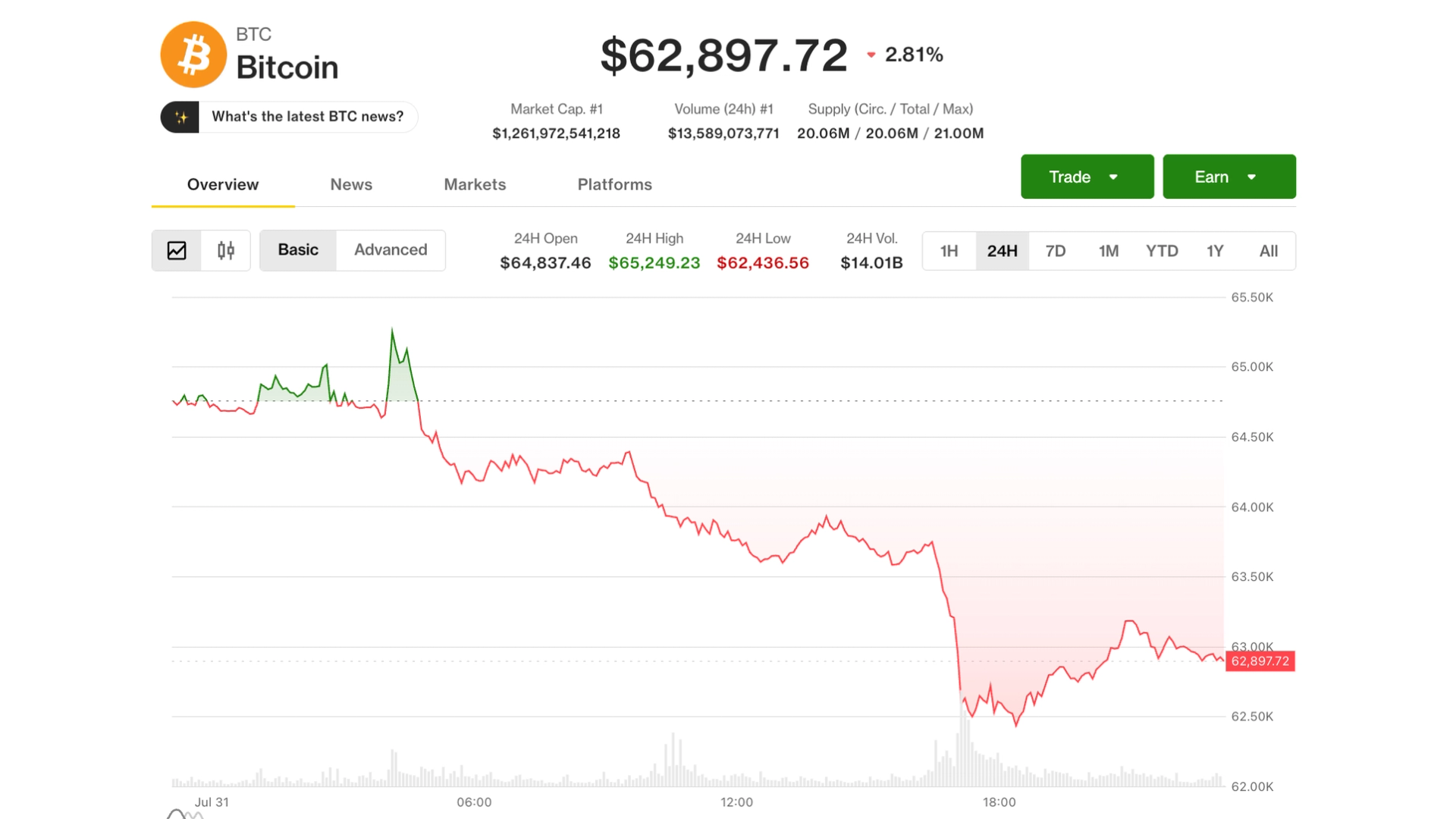
Bitcoin (BTC) price on July 31 (CoinDesk)
Jul 31·coindesk.com

Bitcoin holds monthly gain, faces 'choppy' August as 'forced-selling' exhausted, analysts say

Bitcoin (BTC) price's July gain survives hawkish Fed, AI meltdown and Coldcard fallout. Analysts say bitcoin has held up better than equities because much of the leveraged positioning was flushed out in late June, limiting forced selling during the latest bout of volatility.

INTERNET deepfakes google artificial intelligence AI Google Earth
Jul 31·decrypt.co

Google Yanks Google Earth AI Image Tool a Day After Launch Over Deepfake Fears

Google removed an AI image-generation feature from Google Earth on July 31, just a day after its July 30 launch, citing concerns over deepfakes and misinformation.

Jul 31·cointelegraph.com

Bank of Italy finds no consistent cost advantage for stablecoin remittances

A Bank of Italy study found that stablecoin-based remittances did not offer a systematic cost or speed advantage over traditional payment channels. Fiat on- and off-ramp frictions accounted for most costs and transfer delays.