Colombia earthquake survivors are reliving a nightmare from 1999: "You feel a sense of powerlessness"
Survivors of the 1999 earthquake in Colombia are reliving a nightmare after a 7.4 magnitude earthquake struck the same region, killing at least 281 people and trapping hundreds under debris. Jahir Rodríguez, a 68-year-old retired urban planner, has gained valuable …
Intelligence analysis by Llama
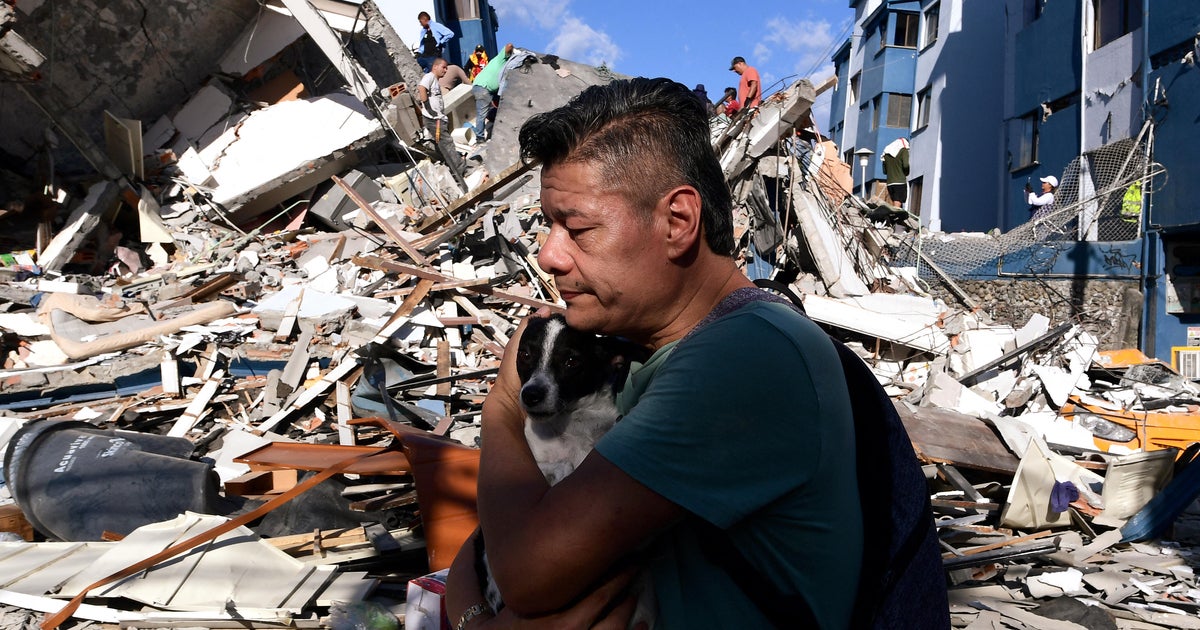
A 7.4 magnitude earthquake struck Colombia, killing at least 281 people and trapping hundreds under debris. Survivors of the 1999 earthquake are reliving a nightmare, and experts are warning that the recovery efforts will be long and challenging. Jahir Rodríguez, a retired urban planner, is helping with the recovery efforts and has gained valuable insights from Japanese respond…
Imagine you're in a place where a big earthquake just happened. You see buildings falling down, and people are scared. It's like a big nightmare. Some people who have been through this before are trying to help. They're giving food, shelter, and money to the people who lost their homes. But it's going to take a long time to fix everything, and people will need help for years.
Analysis
A Sense of Powerlessness
Jahir Rodríguez, a 68-year-old retired urban planner, has seen the devastating effects of earthquakes firsthand. He recalls the 1999 earthquake in Armenia, Colombia, which killed around 1,200 people, and the 2010 earthquake in Talca, Chile. Rodríguez has gained valuable insights from Japanese responders who faced a deadly quake in Osaka in 1995. They told him that it's not just a matter of days or months, but years, that people will be displaced and need permanent living quarters.
Rodríguez is now helping with the recovery efforts in Colombia, where a 7.4 magnitude earthquake struck, killing at least 281 people and trapping hundreds under debris. He is concerned about the primary concern, which is to count people, organize them, and plan for reconstruction. Rodríguez has seen people making meals on the side of the road and is worried about what will come next for them.
A Blueprint for Earthquake Recovery
Everardo Murillo created a blueprint for long-term recovery efforts following the 1999 earthquake. He was tasked by Colombia's then-president, Andrés Pastrana, to create a fund and organization to allocate money for people who lost their homes and businesses. Since then, Murillo has been consulting for other governments at the behest of organizations such as the World Bank. He recently visited Venezuela after back-to-back earthquakes devastated parts of the country.
Murillo emphasizes the importance of solidarity and pairing up those who are feeling stuck and depressed about the catastrophe with those who are invigorated. He also highlights the need for responders to act fast, providing food, shelter, and quick monetary help, along with temporary schooling for children. Then comes longer-term assistance like government handouts and loans. Murillo likes to hire those affected directly to work on recovery efforts.
Lessons Learned in a Disaster's Aftermath
Much of the response depends on how the governments react. Murillo says Colombia benefits from established models and response systems. He compares the dozens of fallen buildings this week to the hundreds that toppled in Venezuela. Many structures in the area where the earthquake struck this week were built to withstand the seismic rocking that destroyed entire neighborhoods in 1999. But even those whose homes remain are going to be affected, Murillo said. Some people may have lost businesses and don't have the resources to bring them back, and communities may lack the infrastructure to recover.
Key points
- A 7.4 magnitude earthquake struck Colombia, killing at least 281 people and trapping hundreds under debris.
- Survivors of the 1999 earthquake are reliving a nightmare, and experts are warning that the recovery efforts will be long and challenging.
- Jahir Rodríguez, a retired urban planner, is helping with the recovery efforts and has gained valuable insights from Japanese responders who faced a deadly quake in Osaka in 1995.
- Everardo Murillo created a blueprint for long-term recovery efforts following the 1999 earthquake and is now helping with the recovery efforts in Colombia.
- The Colombian government's response to the earthquake and the establishment of a fund for recovery efforts are positive signs.
The Colombian government's swift response to the earthquake and the establishment of a fund for recovery efforts are positive signs. Additionally, the expertise of Jahir Rodríguez and Everardo Murillo in disaster response and recovery will help guide the efforts and ensure that the affected communities receive the support they need.
The long-term effects of the earthquake on the affected communities, including the loss of homes and businesses, and the potential for infrastructure damage, are significant concerns. The Colombian government's ability to provide adequate support and resources to the affected areas will be crucial in mitigating the negative impacts of the disaster.