Commerce Secretary Howard Lutnick agrees to testify as bipartisan pressure grows over Nvidia scandal
Commerce Secretary Howard Lutnick will testify before Congress amid bipartisan pressure over national security concerns related to Nvidia. Senators from both parties have raised questions about export controls and potential chip smuggling to China.
Intelligence analysis by Gemini 2.5 Flash Lite
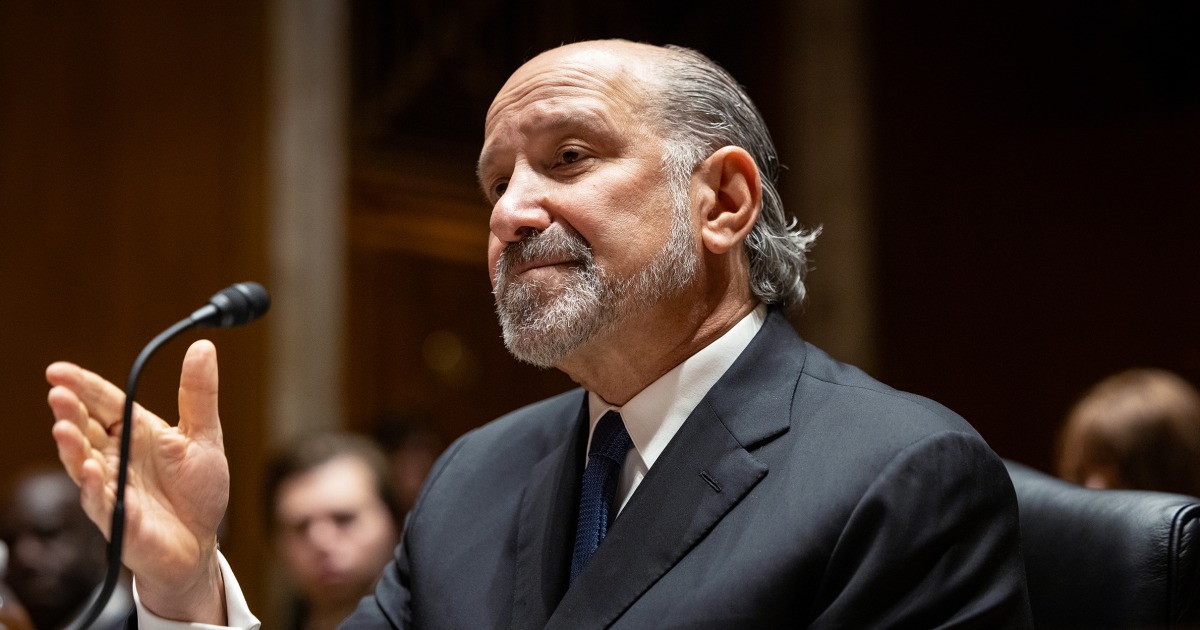
Howard Lutnick, the Commerce Secretary, has agreed to testify before Congress following bipartisan pressure concerning national security issues tied to Nvidia. Senators are probing potential export control loopholes and the alleged illicit access of Nvidia chips by Chinese AI firms, with some suggesting Lutnick could face a subpoena if he doesn't appear voluntarily.
Imagine some super-powerful computer chips made by a company called Nvidia are like special building blocks for AI. Some people in the government are worried that these blocks might be getting sent to China, even though they shouldn't be, because they could be used for things that make America less safe. The boss of the part of the government that watches over these exports is going to talk to lawmakers to explain what's happening.
Analysis
Howard Lutnick
Commerce Secretary Howard Lutnick's agreement to testify before Congress marks a significant escalation in the ongoing scrutiny surrounding Nvidia and its potential national security implications. The pressure from both Republican and Democratic senators underscores a unified front in Congress demanding transparency and accountability regarding export control regulations. Senators like Richard Blumenthal (D-Conn.) and Jim Banks (R-Ind.) have explicitly questioned whether export controls have been relaxed, and whether chips are being exported in defiance of presidential orders. This bipartisan consensus suggests that the issue transcends typical partisan divides, focusing instead on perceived vulnerabilities in U.S. technological dominance and national security. Lutnick's voluntary agreement to appear, rather than face a potential subpoena, indicates an acknowledgment of the seriousness of the congressional inquiry and an effort to manage the narrative proactively.
Nvidia
The scandal centers on Nvidia, a key player in the artificial intelligence economy, and reports of its CEO Jensen Huang's alleged affair with a suspected Chinese spy. This personal entanglement has amplified concerns about the security of Nvidia's advanced chips and the potential for them to be accessed or smuggled by Chinese AI companies. While Nvidia maintains compliance with U.S. export laws, the allegations have prompted lawmakers to question the effectiveness of current regulations and enforcement mechanisms. The company's critical role in supplying chips essential for AI development makes any security lapse or regulatory loophole a matter of significant national concern, potentially impacting both economic competitiveness and military capabilities. The resignation of Jensen Huang as CEO on the same day Lutnick agreed to testify adds another layer of complexity and urgency to the situation.
Export Control Regulations
At the heart of the congressional inquiry lies the effectiveness of U.S. export control regulations. Senators like Elizabeth Warren (D-Mass.) have specifically called for Lutnick to explain why loopholes have not been closed, emphasizing the need to prevent advanced U.S. technology from benefiting China's military. The Commerce Department, under Lutnick's leadership, plays a central role in issuing and enforcing these controls. The bipartisan nature of the questioning suggests a broad consensus that current measures may be insufficient to address the evolving threat landscape, particularly concerning dual-use technologies like advanced semiconductors. The testimony is expected to delve into the specifics of these regulations, their enforcement, and any potential weaknesses that could be exploited, with significant implications for future U.S. trade and technology policy towards China.
Key points
- Commerce Secretary Howard Lutnick has agreed to testify before Congress regarding Nvidia and national security concerns.
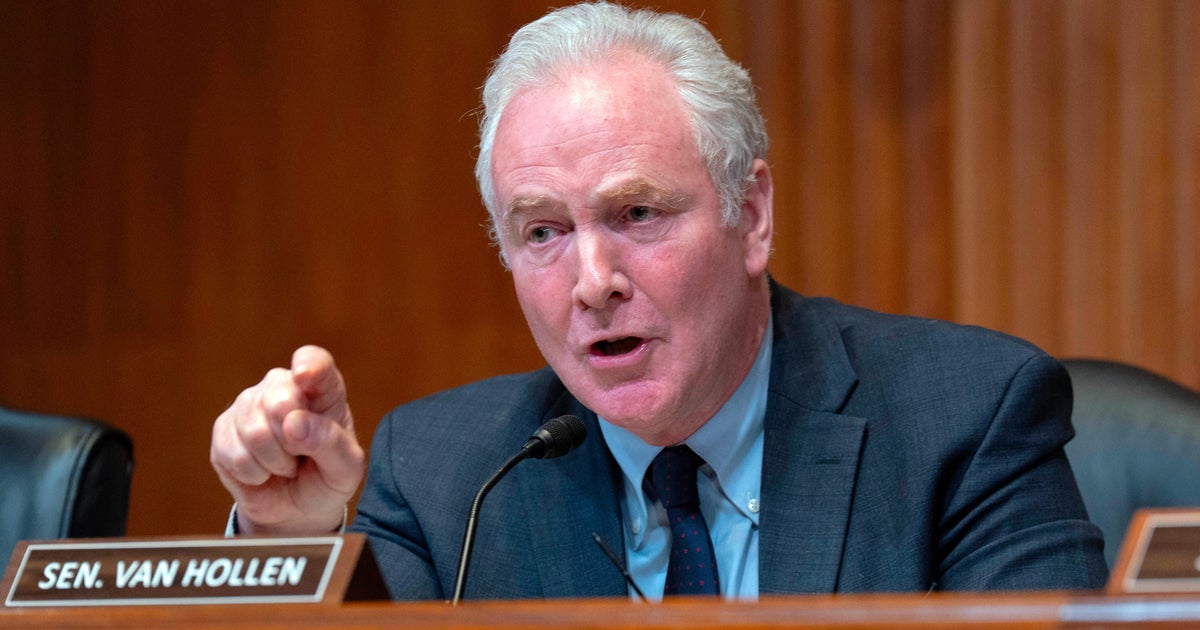
- Bipartisan pressure from senators like Tim Scott, Richard Blumenthal, and Jim Banks prompted Lutnick's agreement.
- Concerns focus on potential export control loopholes and the illicit access of Nvidia chips by Chinese AI firms.
- Nvidia CEO Jensen Huang resigned amid reports of an affair with a suspected Chinese spy.
- Lawmakers are questioning the effectiveness of current export control regulations and enforcement.
Howard Lutnick's testimony could lead to strengthened export controls, ensuring that advanced U.S. technology, particularly AI chips, is not inadvertently fueling potential adversaries. This bipartisan focus may result in clearer regulations and more robust enforcement, safeguarding national security interests while still allowing for legitimate trade.
The inquiry could reveal significant weaknesses in U.S. export control enforcement, potentially leading to further unauthorized transfers of critical technology to China. This could embolden adversaries and undermine U.S. technological leadership, while also creating uncertainty for companies like Nvidia.