Trump says U.S. keeping Iran war at "status quo" but warns American military "locked and loaded"
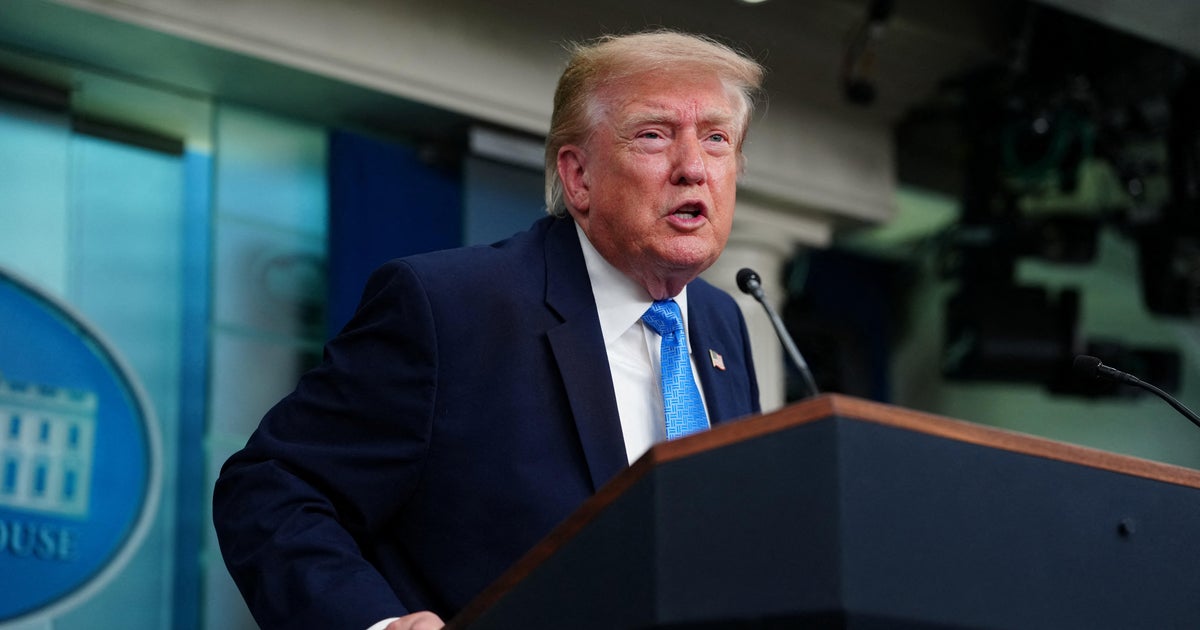
President Trump stated the U.S. is maintaining a "status quo" in the Iran conflict but warned American forces are "locked and loaded," despite expressing hope for a diplomatic deal.
Intelligence analysis by Gemini 2.5 Flash
President Trump has sent mixed signals regarding the conflict with Iran, suggesting a desire for a diplomatic resolution while simultaneously asserting military readiness. This comes amidst ongoing regional tensions, including Houthi missile attacks on Saudi Arabia and Iran's claims of explosions hitting two more oil tankers in the Strait of Hormuz, which both sides accuse each other …
Imagine two big kids, the U.S. and Iran, are having a long argument. The U.S. leader, President Trump, says he's ready to fight if needed, like having his toys "locked and loaded," but also hopes they can just talk it out and make a deal. Meanwhile, some smaller fights are still happening, like rockets being fired and ships getting damaged in a very important water path where oil boats travel. Because people think the big fight might calm down, the price of oil, which is like the juice for cars, is going down, making gas cheaper for everyone.
Analysis
President Trump's recent statements regarding the ongoing conflict with Iran present a complex and seemingly contradictory stance, aiming to project both strength and a desire for de-escalation. In a '60 Minutes' interview, he defended initiating the conflict as a "historically" good decision, yet simultaneously stated he saw "no reason" to escalate. This rhetoric continued with his assertion that the U.S. military remains "locked and loaded" even as he expressed optimism for a diplomatic resolution, suggesting the war is "effectively over" militarily. This dual approach aims to keep Iran under pressure while signaling an openness to negotiation, a delicate balance that defines the current U.S. foreign policy in the region.
Strait of Hormuz Tensions
The strategic Strait of Hormuz remains a flashpoint, with recent incidents highlighting the persistent dangers in the vital shipping lane. Iran's Islamic Revolutionary Guard Corps (IRGC) claimed two more oil tankers were struck by explosions, with one reportedly hitting a naval mine and another under U.S. escort. The IRGC accused these vessels of using unauthorized shipping lanes, a claim the U.S. disputes, insisting the routes are safe. These incidents follow weeks of mutual accusations between Iran and the U.S. regarding attacks on ships, underscoring the volatile environment and the potential for miscalculation in a waterway critical for global oil transit.
Global Oil Prices
The fluctuating rhetoric and ongoing regional incidents have had a direct impact on global energy markets. Brent crude oil briefly dropped below $90 a barrel, and U.S. benchmark crude also saw a decline, reflecting market optimism that a full-scale U.S. war with Iran was not imminent. This perceived de-escalation, fueled by President Trump's comments about a diplomatic resolution, has contributed to a downward trend in oil prices. Domestically, this has translated into a potential drop in average gasoline prices below $4 a gallon, a significant relief for American consumers, also aided by seasonal factors like the switch to winter-blend gasoline and increased refinery capacity.
Key points
- President Trump states the U.S. is maintaining a "status quo" in the Iran conflict but warns American forces are "locked and loaded."
- Trump expressed hope for a diplomatic deal, suggesting the war is "effectively over" militarily and a resumption of U.S. strikes is "highly unlikely."
- Multiple explosions were heard over Saudi Arabia's capital Riyadh as a Houthi missile was intercepted.
- Iran's IRGC claimed two more oil tankers were hit by explosions in the Strait of Hormuz, accusing them of using unauthorized shipping lanes.
- Brent crude oil dropped below $90 a barrel, and U.S. gas prices are expected to fall below $4 a gallon, driven by perceived de-escalation.
President Trump's expressed hope for a diplomatic deal and his statement that the war is "effectively over" militarily could pave the way for de-escalation. This sentiment has already contributed to falling oil and gas prices, offering economic relief and potentially leading to a more stable resolution in the Middle East.
Despite calls for diplomacy, the U.S. remains "locked and loaded," and ongoing incidents like missile attacks on Saudi Arabia and explosions in the Strait of Hormuz indicate persistent tensions. Secretary of State Marco Rubio's comment that Iran's demands are "unacceptable" suggests a breakthrough in talks is not imminent, raising the risk of renewed escalation.
Market signals
- OIL Markets appeared optimistic that a full-scale U.S. war with Iran was not imminent, contributing to a downward trend in oil prices.
- OIL Investor optimism that the conflict might end pushed the price of U.S. crude oil below $90 a barrel.
- Gasoline The relative status quo in the Iran war and investor optimism have kept gas prices from spiking and contributed to their decline.
AI-generated analysis of potential market relevance. Not financial advice.