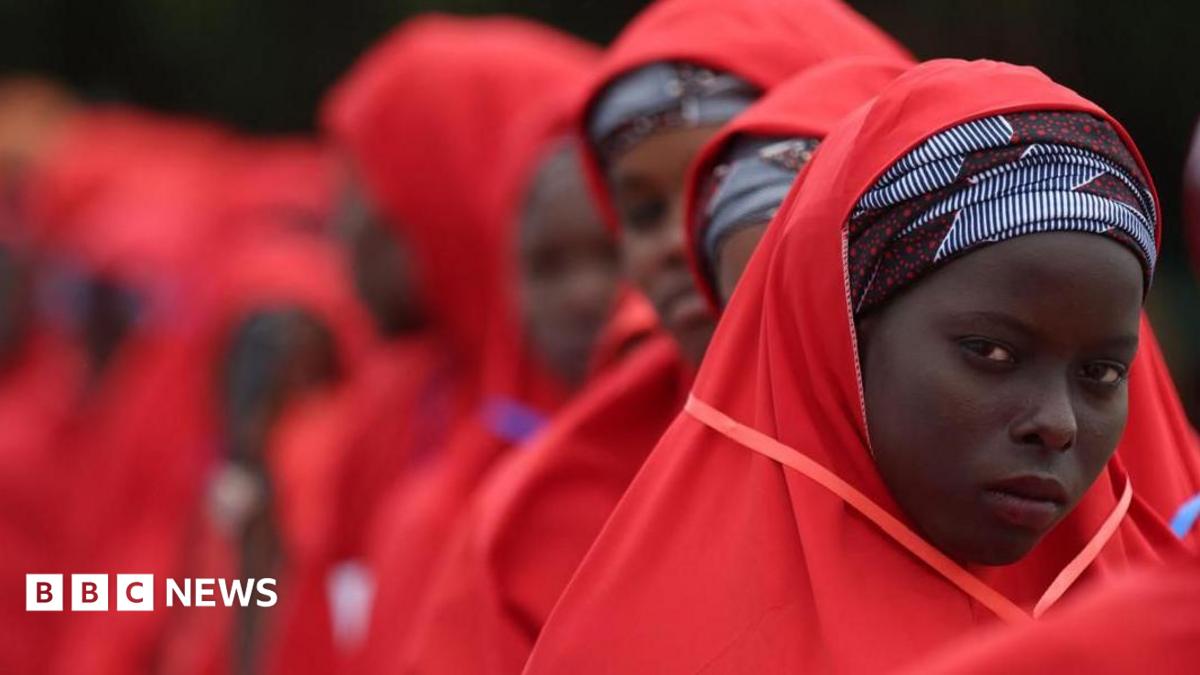
Community leader recounts Kwara abductees’ ordeal during six months in captivity, seeks support for orphaned children
A community leader in Kwara State, Nigeria, has recounted the harrowing six-month ordeal of 163 abductees, including the birth of 11 children and the death of six, calling for sustained government support for their rehabilitation.
Intelligence analysis by Gemini 2.5 Flash
Following the release of 163 individuals held captive for six months after an attack on Woro, a community leader from Kaiama, Kwara State, has detailed the severe conditions endured by the abductees, which included multiple births and child deaths. He emphasized the urgent need for government and community collaboration to support the victims' rehabilitation and reintegration into soc…
Imagine a big group of people from a town called Woro were taken away and kept for six whole months, like being stuck in a very long, scary timeout. During this time, some babies were even born, but sadly, six of them didn't make it. Now, a kind leader from their community is asking the government to help these people get back to normal life, especially the children who lost their parents or were born during this tough time, because they need lots of care and support.
Analysis
Six Months in Captivity
The ordeal faced by the 163 abductees from Woro, Kwara State, during their six months in captivity was profoundly traumatic, as recounted by Yakub Jaja, a community leader. The most poignant detail is the birth of 11 children during this period, with a tragic six of them succumbing to the harsh conditions. This grim statistic underscores the severe lack of medical care, nutrition, and safe environment that the captives endured, highlighting the extreme vulnerability of those held by criminal elements.
The prolonged detention, coupled with the loss of young lives, indicates a significant humanitarian crisis within the broader security challenge. The survivors, including the mothers and the five remaining infants, will undoubtedly carry deep physical and psychological scars. Their experience serves as a stark reminder of the human cost of insecurity and the urgent need for effective strategies to prevent such prolonged abductions and ensure the safety of vulnerable populations.
Kaiama Development Association
The Kaiama Development Association, through its vice president Yakub Jaja, has emerged as a crucial voice advocating for the released abductees. Their call for sustained government support for rehabilitation and reintegration is a testament to the community's understanding of the long-term challenges faced by the victims. The association's proactive stance in seeking assistance highlights the burden that falls on local communities when such crises occur, often stretching their resources and capacity.
This community-led advocacy is vital for ensuring that the victims do not become forgotten statistics after their release. The emphasis on rehabilitation and reintegration suggests a recognition that freedom from captivity is merely the first step in a long recovery process. It implies a need for psychological counseling, medical attention, educational support for children, and economic empowerment for adults to help them rebuild their lives and overcome the stigma and trauma associated with their ordeal.
Governor AbdulRahman AbdulRazaq
Governor AbdulRahman AbdulRazaq of Kwara State, along with President Bola Tinubu, security agencies, and local vigilantes, received commendation for their roles in securing the release of the abductees. The governor's visit to some of the rescued victims in a hospital, as mentioned in the article, signifies a direct engagement with the humanitarian aspect of the crisis. Such high-level attention is crucial for demonstrating governmental commitment and reassuring affected communities.
However, the community's subsequent call for sustained support indicates that the initial rescue, while celebrated, is not the end of the government's responsibility. It implies a need for ongoing policy and resource allocation to address the root causes of insecurity and to establish robust frameworks for victim support. The collaboration between federal and state governments, alongside local security outfits, is essential for both preventing future incidents and effectively managing the aftermath of such traumatic events.
Key points
- 163 abductees from Woro, Kwara State, were released after six months in captivity.
- During their captivity, 11 children were born, but six of them tragically died.
- Yakub Jaja, a community leader, recounted the victims' ordeal and called for sustained government support.
- President Bola Tinubu, Governor AbdulRahman AbdulRazaq, security agencies, and local vigilantes were thanked for their role in the release.
- The community emphasizes the need for rehabilitation and reintegration efforts for the returning victims.
The successful release of 163 abductees, facilitated by the efforts of President Bola Tinubu, Governor AbdulRahman AbdulRazaq, security agencies, and local vigilantes, demonstrates that coordinated action can yield positive results in combating insecurity. With sustained government and community support for rehabilitation, the victims could gradually recover from their trauma and successfully reintegrate into society, fostering resilience within the affected community.
Despite the release, the severe trauma endured by the abductees, including the deaths of six children born in captivity, presents immense long-term challenges for their physical and psychological well-being. Without adequate and sustained support for rehabilitation and reintegration, many victims may struggle to cope, potentially leading to lasting social and economic difficulties for them and their families.