Nigeria's mass wedding - and how telling lovers from fraudsters is proving tricky
Kano, Nigeria, recently hosted a mass wedding for 1,500 couples, sponsored by the state government to support low-income individuals. The popular scheme, however, faces challenges with fraudulent applicants attempting to exploit the benefits.
Intelligence analysis by Gemini 2.5 Flash
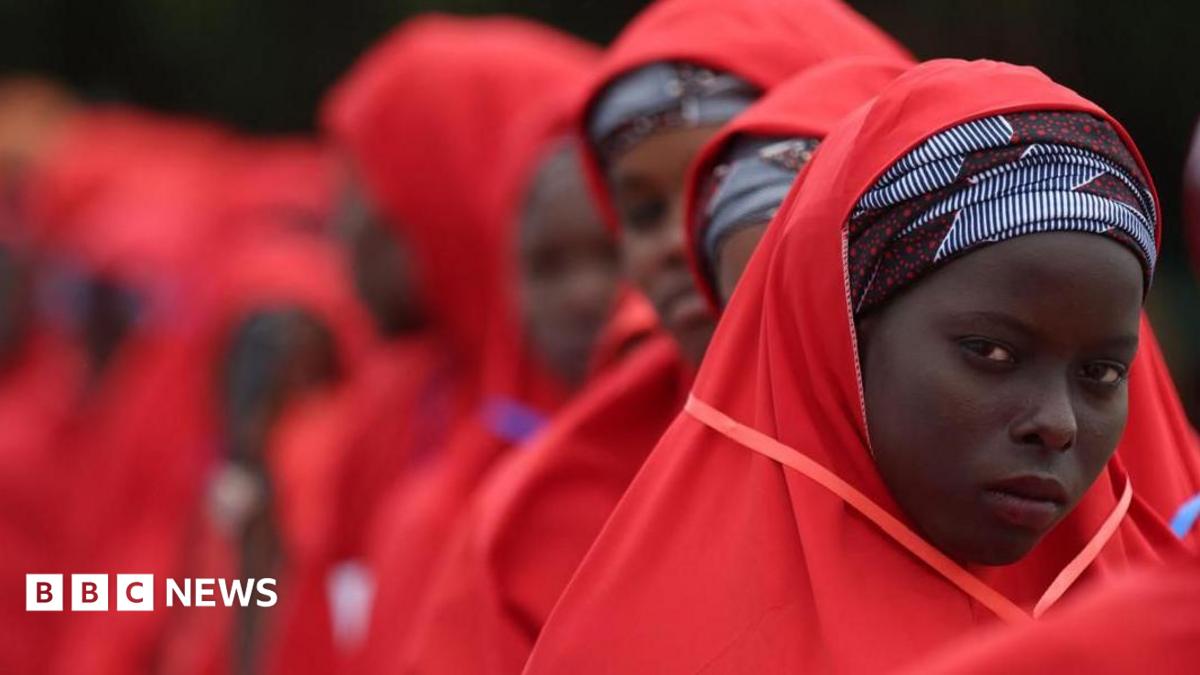
The Kano state government in northern Nigeria has sponsored a mass wedding for 1,500 couples, providing dowries, household items, and start-up capital to help low-income residents marry. While celebrated as a social welfare initiative, the scheme is plagued by attempts from individuals trying to defraud the system by faking relationships or altering medical results to access the benef…
Imagine a big party where lots of grown-ups get married all at once, and the government helps pay for everything like their clothes, beds, and even some money to start a small business. It's like a super helpful gift for people who don't have much money. But because the gifts are so good, some people try to pretend they're getting married just to get the free stuff, even if they're not really in love or are already married. So, special police have to check everyone very carefully to make sure only real couples get the help.
Analysis
The mass wedding initiative in Kano, Nigeria, represents a substantial social welfare program designed to support its predominantly Muslim population. The scheme, which has grown significantly since its inception in 2012, aims to assist low-income individuals who would otherwise struggle to afford the considerable financial costs associated with traditional marriages. By covering expenses such as dowries, furniture, and even providing start-up capital, the Kano state government seeks to foster family stability and economic self-reliance among its citizens.
Kano state government
The Kano state government has invested 1.5 billion naira ($1 million) into this year's mass wedding, supporting 1,500 couples. This financial commitment underscores the government's dedication to social welfare, particularly in a region where economic hardship can be a significant barrier to marriage. Each participating couple receives a comprehensive support package valued at approximately 1 million naira, which includes essential household items like beds, mattresses, and furniture, along with food supplies. Furthermore, each bride is given a 100,000 naira dowry, and an additional 100,000 naira is provided as start-up capital to encourage small-scale entrepreneurship, aiming to help the newlyweds achieve financial independence.
The initiative, which began with 100 couples, has seen demand surge, with 5,000 couples applying this year. This expansion reflects both the popularity of the scheme and the increasing economic pressures faced by many Nigerians. Governor Abba Kabir Yusuf hosted a wedding breakfast for the newlyweds, symbolizing the state's official blessing and commitment to the program. The long-standing nature of the event, continued under successive governors, indicates its perceived importance as a tool for social support and community building within Kano.
Hisbah
The Hisbah, Kano's Islamic police force, plays a crucial role in overseeing the mass wedding program, particularly in vetting the thousands of applicants. Their primary task is to ensure the authenticity of the relationships, distinguishing genuine couples from those attempting to exploit the scheme for financial gain. This vetting process is rigorous, requiring all intending couples to undergo comprehensive medical examinations, including tests for HIV, hepatitis, pregnancy, and genotype compatibility, before being cleared.
Deputy commander-general Mujahid Aminudeen admits the task is challenging, as some applicants go to great lengths to appear as genuine love matches. The Hisbah has uncovered various fraudulent attempts, such as couples altering medical test results or even presenting a sibling as a spouse. In one notable instance, an already married couple tried to re-register as an intending pair to receive the benefits. The Hisbah's vigilance is critical in maintaining the integrity of the program and ensuring that the substantial government funds reach their intended beneficiaries, despite the sophisticated methods employed by fraudsters.
Nigeria's struggling economy
Nigeria's struggling economy is a significant factor fueling the desperation observed among applicants for the mass wedding scheme. Local journalist Yusuf Ali Abdallah notes that the high cost of living and the general economic downturn make it incredibly difficult for many to afford the expenses associated with marriage. This economic pressure creates a strong incentive for individuals to seek out government-sponsored programs, even leading some to attempt fraudulent means to access the benefits.
The allure of a fully sponsored wedding, complete with a dowry and household essentials, becomes particularly strong when personal finances are strained. The article highlights that some individuals have even been approached by charlatans demanding bribes to secure a spot on the list, although Hisbah officials emphasize that the entire process is free. This situation underscores how economic hardship can exacerbate corruption and create vulnerabilities within social welfare initiatives, making robust oversight and transparency paramount to their success and public trust.
Key points
- Kano state government sponsored a mass wedding for 1,500 couples, investing 1.5 billion naira ($1 million).
- The scheme provides dowries, household items, and 100,000 naira start-up capital per couple.
- The Hisbah, Kano's Islamic police, vets applicants, conducting medical tests and detecting fraud attempts.
- Nigeria's struggling economy is driving desperation, leading some applicants to attempt to defraud the system.
- Officials assure that the application process and benefits are entirely free, warning against bribe solicitations.
If the Kano state government can effectively curb fraudulent attempts, the mass wedding scheme could continue to provide vital support to low-income individuals, fostering family stability and economic empowerment. The provision of start-up capital, in particular, offers a pathway for couples to achieve financial self-reliance, potentially lifting families out of poverty and contributing to local economic growth.
The prevalence of fraudulent applications, driven by Nigeria's struggling economy, poses a significant risk to the sustainability and integrity of the mass wedding program. If not effectively managed, these attempts could drain public resources, erode trust in government initiatives, and divert aid from genuinely needy couples, ultimately undermining the scheme's social welfare objectives.
