Côte d’Ivoire: Did Ahoua Don Mello Really Poach Laurent Gbagbo's Cadres?
Ten cadres from Laurent Gbagbo's PPA-CI party resigned on July 27 to join Ahoua Don Mello. Gbagbo's party disputes the significance, calling them disciplinary actions.
Intelligence analysis by Gemini 2.5 Flash Lite
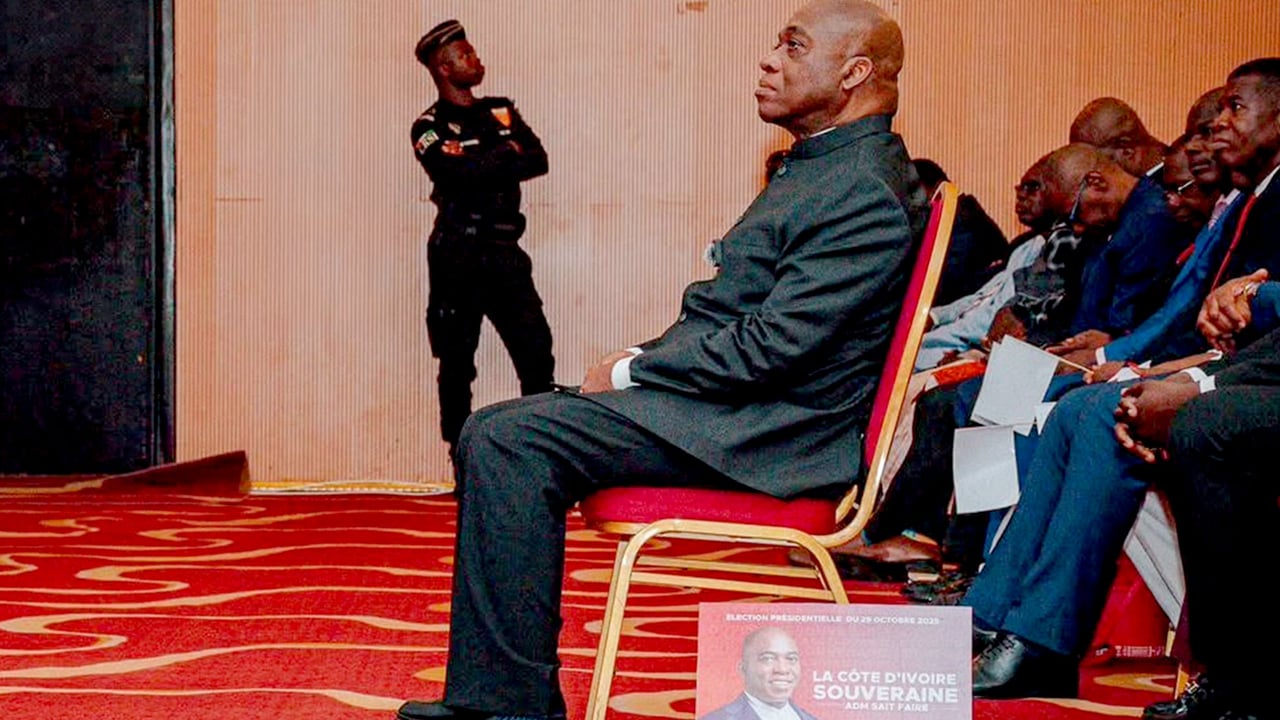
Ahoua Don Mello's new party announced the defection of ten PPA-CI cadres, including senior officials. However, Laurent Gbagbo's party claims these departures are merely disciplinary actions, not genuine resignations, casting doubt on the scale of the alleged poaching.
Imagine two friends, Laurent and Ahoua, who used to be in the same club. Ahoua started his own new club. Then, ten important members from Laurent's club said they were leaving to join Ahoua's club. But Laurent's club says, 'No, we actually kicked them out already for breaking rules!' So, it's a fight over whether they left willingly or were pushed out.
Analysis
Contradictory Narratives Emerge
The political landscape in Côte d'Ivoire is once again abuzz with internal party dynamics, this time centering on Ahoua Don Mello and the PPA-CI, the party of former President Laurent Gbagbo. On July 27, two starkly contrasting official statements emerged, each painting a different picture of significant personnel changes. Ahoua Don Mello's camp announced the collective resignation of ten prominent cadres from the PPA-CI, including deputy secretaries-general, regional coordinators, and diaspora leaders based in France. This announcement was framed as a strategic move, signaling a significant shift in allegiance towards Don Mello's newly formed political entity, which he launched on July 13.
PPA-CI Dismisses Departures as Disciplinary Measures
In direct opposition to the narrative presented by Ahoua Don Mello's communication team, the PPA-CI has vehemently contested the nature of these departures. The party's official stance is that these individuals were not resigning but were, in fact, being subjected to disciplinary actions. This counter-narrative suggests that the PPA-CI leadership views these individuals as having already been sidelined or expelled due to internal party rules or misconduct, and their subsequent announcement of joining Don Mello is merely a consequence of these pre-existing disciplinary measures rather than a voluntary defection. This framing aims to minimize the perceived impact of the departures and maintain internal party cohesion.
Implications for Gbagbo's Political Future
The dispute over the ten cadres underscores the ongoing challenges within the PPA-CI as it navigates its post-presidency role and seeks to consolidate its influence. Ahoua Don Mello, a figure with a history within Gbagbo's political sphere, has now established his own party, creating a potential rival for the former president's political base. The PPA-CI's attempt to reframe these departures as disciplinary actions could be an effort to prevent further erosion of its membership and project an image of stability and control, especially in light of Gbagbo's own ineligibility for the 2025 presidential election and the ongoing discussions about his political legacy. The situation highlights the fluid nature of political alliances and the constant jockeying for position among key political actors in Côte d'Ivoire.
Key points
- Ten cadres from Laurent Gbagbo's PPA-CI party announced their resignation on July 27.
- These cadres have joined Ahoua Don Mello, who recently launched his own political party.
- The PPA-CI disputes the resignations, claiming the individuals were subjected to disciplinary actions.
- This internal party dispute raises questions about the stability and future direction of Gbagbo's political movement.
If the departures represent a genuine realignment of political forces, it could lead to a more dynamic and competitive political landscape in Côte d'Ivoire. Ahoua Don Mello's new party might attract broader support, potentially fostering new alliances and policy discussions that benefit the country.
The conflicting narratives suggest internal divisions and potential instability within Laurent Gbagbo's political movement. This could weaken the PPA-CI's influence and distract from its broader political objectives, potentially benefiting rival parties.