Côte d’Ivoire: Six Local PDCI Officials Liberated
Six local officials from Côte d'Ivoire's main opposition party, PDCI, have been released on Monday, July 20, after nine months of detention, following arrests during the 2025 presidential campaign.
Intelligence analysis by Gemini 2.5 Flash
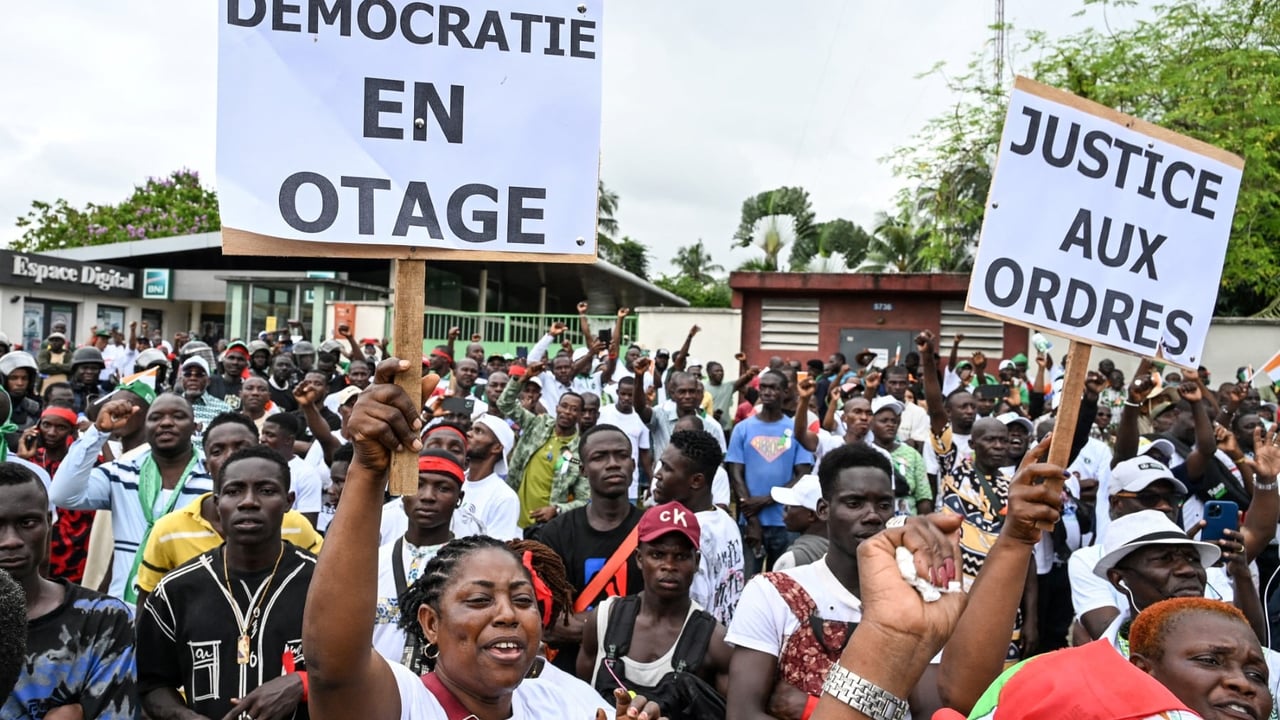
Six local officials of Côte d'Ivoire's opposition PDCI party were freed on July 20, concluding nine months of detention. Their arrests in late 2025 were linked to the contentious 2025 presidential election campaign, which saw numerous opposition figures detained and protests suppressed, though authorities denied political motivations.
Imagine a big game where some players from one team were put in time-out for nine months because they were protesting how the game was being played. Now, six of those players are finally allowed to go home. The grown-ups in charge said it wasn't because of their team, but others think it was. It's like when kids argue about rules, and some get in trouble, but then they get to come back.
Analysis
The liberation of six local officials from the Democratic Party of Côte d'Ivoire (PDCI) on July 20 marks a significant development in the country's fraught political landscape. These individuals, identified by their lawyer Me Ange Rodrigue Dadje, had been held for nine months following their arrests in late September and early October 2025. Their detention stemmed from the highly contentious 2025 presidential election campaign, which was characterized by widespread opposition criticism against President Alassane Ouattara's government. The article notes that dozens of other opposition members, including senior figures, were arrested or imprisoned during this period, with hundreds more convicted for participating in banned demonstrations, some of which turned deadly.
A Pattern of Detentions and Releases
The release of these six PDCI officials is not an isolated incident but rather part of a broader pattern observed in Côte d'Ivoire. The article highlights previous liberations, including two other PDCI activists, Clément Kouakou and Denis Brou, in May, and Moïse Lida Kouassi, a former Defense Minister under Laurent Gbagbo, in early July. A cyber-activist, Ibrahim Zigui, also close to Gbagbo's political camp, was similarly freed. This series of releases suggests a potential, albeit gradual, easing of political tensions or a strategic move by the government to address international and domestic pressure regarding political prisoners. However, the article does not specify the reasons for their liberation, with the lawyer declining to elaborate when contacted by AFP.
The Contested 2025 Presidential Campaign
The arrests of the PDCI officials were directly linked to the 2025 presidential election campaign, which the opposition vehemently criticized. The article mentions that these arrests occurred "one month before a presidential election heavily criticized by opponents of President Alassane Ouattara." This period was marked by significant unrest, with authorities reporting that hundreds were convicted for participating in banned demonstrations, and approximately ten people lost their lives. Despite the widespread arrests of opposition figures, Ivorian authorities consistently maintained that these detentions were not politically motivated and adhered to regular investigative procedures. This official stance contrasts sharply with the opposition's narrative of political repression and suppression of dissent.
Implications for Ivorian Politics
The ongoing cycle of arrests and releases of opposition figures underscores the delicate political balance in Côte d'Ivoire. While the liberations offer a glimmer of hope for a more inclusive political environment, the underlying issues of political freedom and the right to protest remain pertinent. The fact that these individuals were held for nine months, and that their arrests were tied to a presidential campaign, highlights the challenges faced by opposition parties in expressing dissent. The government's assertion that arrests were non-political, juxtaposed with the targeting of opposition members, continues to fuel skepticism. Future elections, including the one mentioned for 2030 in related articles, will likely be closely watched for signs of genuine political openness and respect for democratic processes. The international community often monitors such developments as indicators of a country's commitment to human rights and democratic governance.
Key points
- Six local officials from Côte d'Ivoire's PDCI opposition party were released on July 20.
- They had been detained for nine months following arrests in late September/early October 2025.
- Their arrests were linked to the contentious 2025 presidential election campaign.
- Dozens of other opposition members were arrested, and hundreds convicted, during the same period.
- Authorities maintained arrests were not politically motivated, despite targeting opposition figures.
- Other opposition activists and a former minister have also been released recently.
The release of these opposition figures, following others in recent months, could signal a positive shift towards de-escalation of political tensions in Côte d'Ivoire. It might indicate a willingness by the government to foster a more inclusive political dialogue and address concerns regarding human rights, potentially paving the way for a more stable and democratic future.
Despite the releases, the underlying issues of political repression and the suppression of dissent remain. The arrests of opposition members during an election campaign, coupled with the lack of specified reasons for their liberation, suggest that such detentions could recur. This could perpetuate a climate of fear and limit genuine political participation, hindering democratic progress in the long term.